United Airlines Flight Encounters Turbulence, Leaving Two Passengers Hurt

CHICAGO— Passengers on United Airlines Flight 5971 faced a daunting drop of nearly 4,000 feet amid severe turbulence, leaving many fearing for their lives. The flight, which was operated by SkyWest Airlines, was diverted to Austin-Bergstrom International Airport (AUS) following the incident on August 28, 2025.
Flying from Aspen (ASE) to Houston (IAH), the Embraer E175 aircraft encountered trouble near Dallas–Fort Worth (DFW) when the crew declared an emergency. Passengers reported screams, oxygen masks deploying, and even a menu card jammed in the cabin ceiling upon landing.
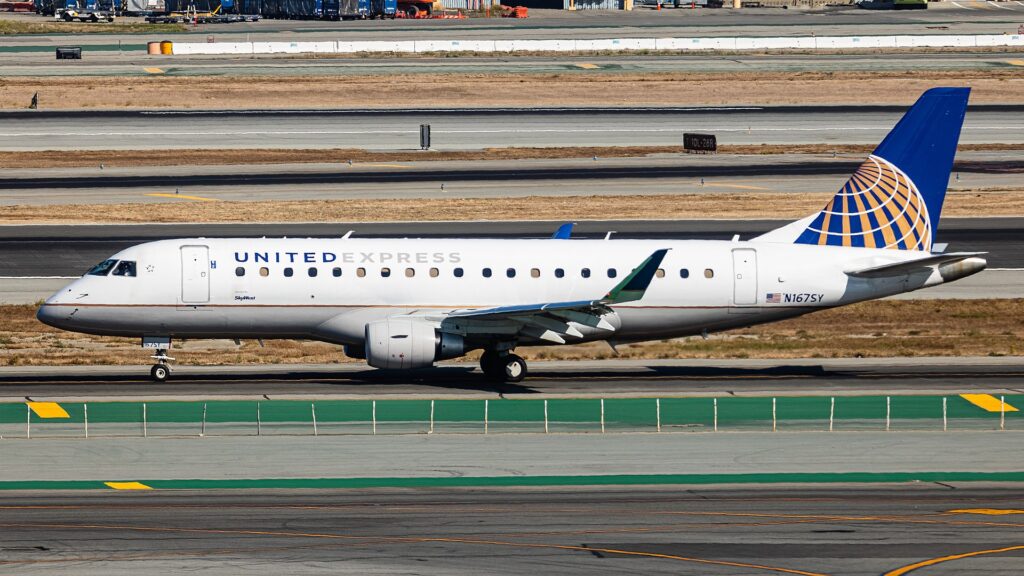
Turbulence Encounter on United Flight
Flight 5971 took off from Aspen at 5:02 PM local time and ascended to an altitude of 39,000 feet. However, at approximately 7:27 PM, while traversing airspace near Dallas-Fort Worth, the aircraft hit severe turbulence. Within about a minute, the plane dropped around 4,350 feet before stabilizing.
The cockpit crew immediately declared a “squawk 7700” emergency and redirected their route to Austin. They landed safely on Runway 18R at AUS around 8:00 PM, where medical personnel were prepared for any emergencies.
According to the FAA, out of 43 passengers, including the crew, two individuals sustained injuries.
Strong thunderstorms were reported in North Texas at the time, with a cold front contributing to potentially hazardous turbulence. Experts suggest the plane likely encountered convectively induced turbulence near storm edges or clear-air shear at higher elevations.
Such turbulence can send loose objects soaring, as evidenced by a United “Bistro On Board” menu found lodged in the cabin ceiling after the flight—a clear sign of sudden vertical acceleration.
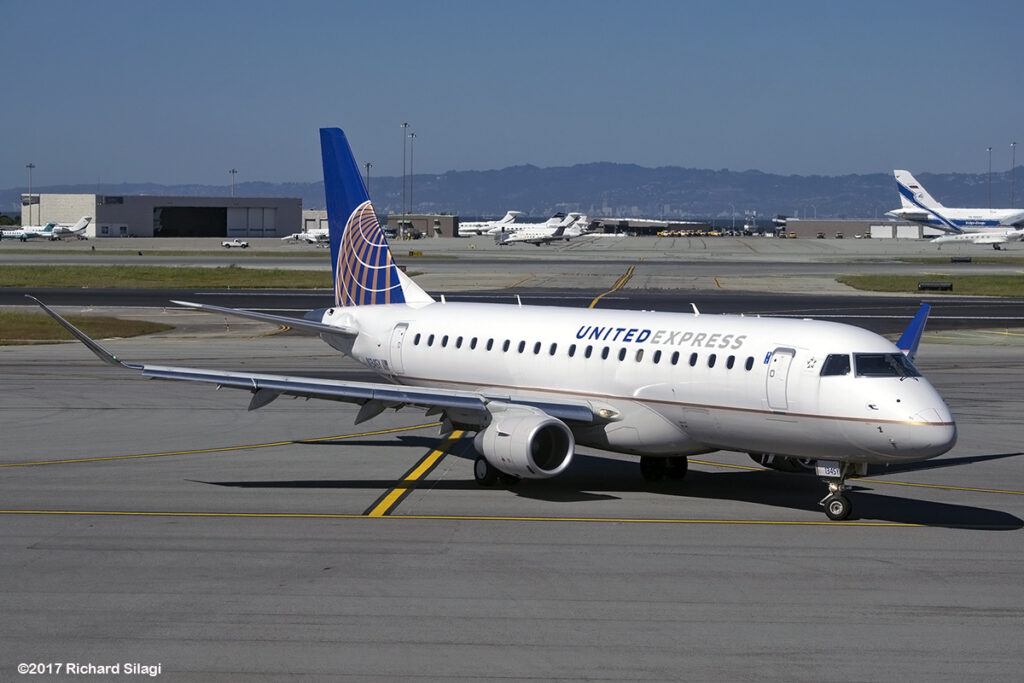
The flight, designated UA5971, was operated by an Embraer ERJ-175, specifically registered as N110SY. This aircraft, powered by Rolls-Royce AE 3007 series turbofan engines, has been in service for about 11.3 years.
Passenger Experiences During the Incident
Passengers vividly recounted the terrifying descent and the state of panic inside the cabin. One individual noted that the pilot instructed flight attendants to take emergency positions and urged everyone to put on oxygen masks.
Another passenger remarked how many around them believed the plane was on the verge of crashing. Social media posts reflected these fears, with family members reporting that their loved ones thought survival was uncertain.
Despite the alarming drop, the flight landed without more severe incidents. While unverified, there are also reports of a passenger possibly losing a tooth during the turbulence, which aligns with potential injuries from unrestrained passengers colliding with surrounding surfaces.

Austin’s Role as a Diversion Airport
Austin-Bergstrom International Airport serves as a critical diversion hub for flights throughout Texas. Located within a convenient distance from Dallas, Houston, and San Antonio, AUS is often chosen for emergency landings.
Formerly a military base, the airport features two long runways (12,250 feet and 9,000 feet), full customs facilities, and access for nearly all major U.S. and international airlines.
Its strategic location and robust infrastructure make it one of the most suitable diversion points in the area.
Conclusion
The continuation of Flight 5971 to Houston was ultimately canceled. This was likely driven by the necessity for aircraft inspections following the turbulence and limitations on crew duty hours.
This incident was a stark reminder of how quickly turbulence can escalate and the importance of safety measures in aviation. Fortunately, thanks to the quick actions of the crew and the safe diversion to Austin, the experience ended with only minor injuries rather than something worse.