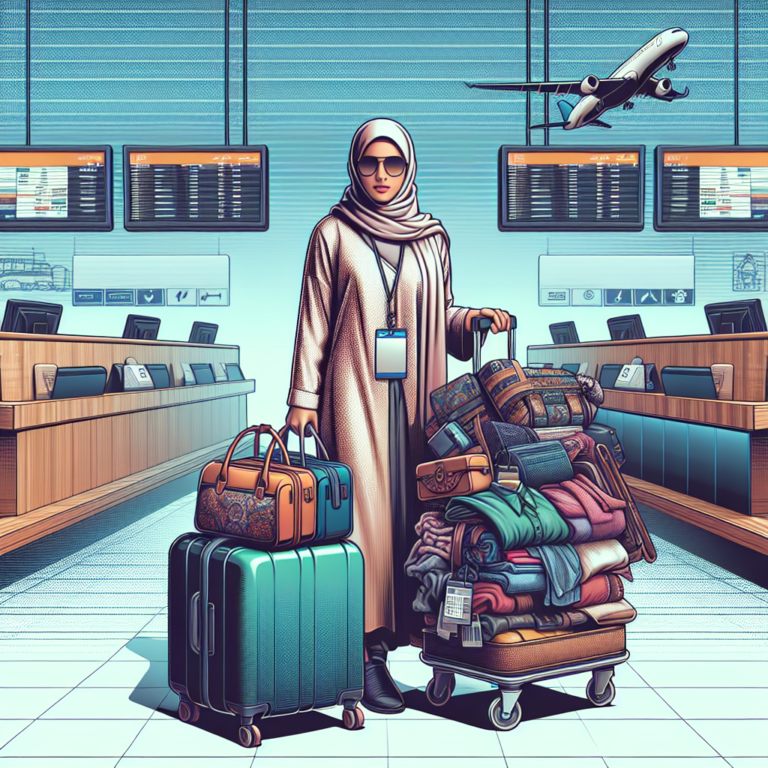
Wings of Change: How to Make Your Next Flight More Sustainable

Flying is a staple of modern life, providing connectivity across the globe. However, as awareness of environmental issues grows, the aviation industry faces increasing scrutiny regarding its carbon footprint. "Wings of Change: How to Make Your Next Flight More Sustainable" explores practical steps you can take to minimize your impact on the environment while flying. By incorporating sustainable practices into your travel plans, you can help shape a greener future for air travel.
Understanding the Environmental Impact of Flying
The Carbon Footprint of Air Travel
Air travel is responsible for about 2.5% of global carbon dioxide emissions. Each flight contributes to climate change, but several factors can influence the amount of emissions generated:
- Flight Distance: Longer flights typically result in more emissions.
- Aircraft Efficiency: Newer models tend to be more fuel-efficient.
- Passenger Load Factor: Full flights are generally more sustainable than half-full ones.
Steps to Choose Sustainable Flights
Choosing more sustainable flights doesn’t have to be complicated. Here are some options to consider:
Opt for Direct Flights
- Less Time in the Air: Direct flights eliminate layovers. Each takeoff and landing produces significant emissions.
- Fuel Efficiency: Fewer total miles flown can mean lower emissions.
Select Airlines Committed to Sustainability
Many airlines are now prioritizing sustainability:
- Carbon Offsetting Programs: Some carriers allow you to offset your flight’s emissions by investing in eco-friendly projects.
- Innovative Aircraft: Research airlines that use newer, fuel-efficient aircraft as part of their fleet.
Additional Sustainable Practices at the Airport
You can also adopt sustainable practices while at the airport:
Use Public Transportation
- Eco-Friendly Travel: Use trains or buses to reach the airport instead of individual cars.
- Carpool Options: Join ride-sharing options to minimize the number of vehicles on the road.
Bring Your Own Reusable Items
- Water Bottles: Bring a refillable water bottle to reduce plastic waste.
- Food Containers: Pack snacks in reusable containers instead of buying packaged items.
The Role of Regulatory Bodies
In addition to individual action, regulations play a significant role in the sustainability of air travel. Governments and international organizations are increasingly promoting greener technologies and safer practices, such as:
- Stricter Emission Standards: Mandating that airlines reduce their carbon footprints through technological improvements.
- Investment in Alternative Fuels: Support for research into biofuels and greener propulsion technologies.
Conclusion
Making your next flight more sustainable is achievable through thoughtful planning and choices. By choosing direct flights, supporting eco-conscious airlines, and adopting sustainable habits at the airport, you contribute to a collective effort that can reshape the aviation industry’s environmental impact.
FAQs
1. What can individuals do to make flying more sustainable?
- Individuals can choose direct flights, support airlines engaging in eco-friendly practices, and take sustainable transport options to the airport.
2. Are there certifications for sustainable airlines?
- Yes, look for airlines with environmental certifications or those participating in carbon offset programs.
3. How can I offset my carbon emissions from flying?
- You can purchase carbon offsets directly from airlines or invest in projects aimed at reducing greenhouse gases.
For further insights on sustainable travel, consider exploring this article on eco-friendly travel tips or check out the International Air Transport Association’s sustainability initiatives.
We invite you to share your thoughts or experiences regarding sustainable flying in the comments!