Infant Travel 101: Understanding Airline Regulations for Your Little Ones

Traveling with infants can be both exciting and daunting for new parents. As you embark on your journey, understanding airline regulations for your little ones is crucial for a smooth experience. From checking baggage policies to knowing age restrictions, being well-informed can make your travels easier, more enjoyable, and stress-free.
Understanding Airline Regulations for Infants
When planning your travel, the first step is to familiarize yourself with the specific airline’s regulations regarding infants. Each airline may have different policies about seating, baggage allowances, and the necessary documentation required for your baby. Here are some essential considerations:
Age Restrictions and Ticketing
- Lap Infants: Most airlines allow children under 2 years old to fly as lap infants. However, parents typically need to book a seat for children over this age.
- Seat Requirements: Depending on the airline, infants may require a separate seat equipped with a safety harness or approved car seat.
Baggage Policies
Airlines may provide specific allowances for infant travel, which can include:
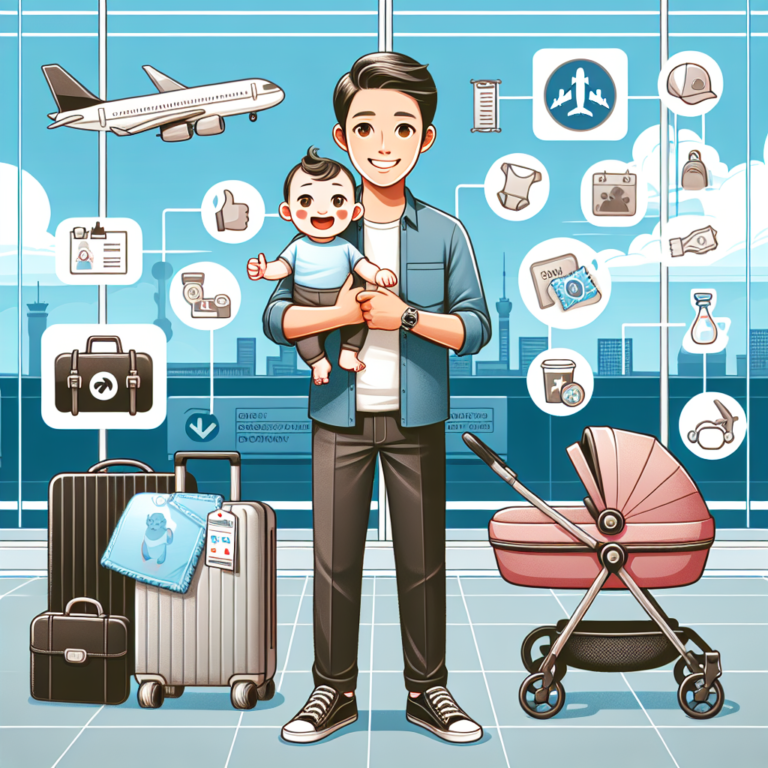
- Diaper Bags: Many airlines permit an additional diaper bag free of charge.
- Strollers and Car Seats: Some airlines allow you to check these items for free or offer gate-check options, making it easier to navigate the airport.
Documentation Needed
Before flying, ensure you have all the necessary documentation:
- Proof of Age: Airlines may require a birth certificate or passport as proof of age for lap infants.
- Travel Consent: If you are traveling without the child’s other parent, having a signed consent form may be necessary.
Tips for Traveling with Infants
To enhance your flight experience, consider these tips:
- Choose Off-Peak Flights: Traveling during less busy times can ease the journey.
- Board Early: Take advantage of early boarding to settle in before other passengers.
- Pack Wisely: Keep essentials like diapers, wipes, snacks, and toys within easy reach.
External Resources for More Information
For more comprehensive information on infant travel and safety, consider checking out the Federal Aviation Administration (FAA) guidelines or the Transportation Security Administration (TSA) for security tips.
Conclusion
Preparing for travel with an infant doesn’t have to be overwhelming. By understanding airline regulations and planning accordingly, you can create a seamless travel experience for both you and your little one. Don’t forget to double-check the specific requirements of your airline and pack thoughtfully!
FAQs about Infant Travel
Q: Can I use a car seat on the plane?
A: Yes, if you have purchased a seat for your infant, you can use an FAA-approved car seat during the flight.
Q: What if my baby needs to be fed during the flight?
A: Airlines generally accommodate feeding needs, and you are allowed to bring formula or breast milk through security.
Q: Are there any age restrictions for travel?
A: While most airlines allow infants to fly, it’s best to check with your specific airline for any age-related policies.
We hope this guide to airline travel regulations for infants helps you navigate your upcoming journey with confidence. Have any experiences or tips of your own? Feel free to share your thoughts in the comments below or explore our related articles for more travel advice!