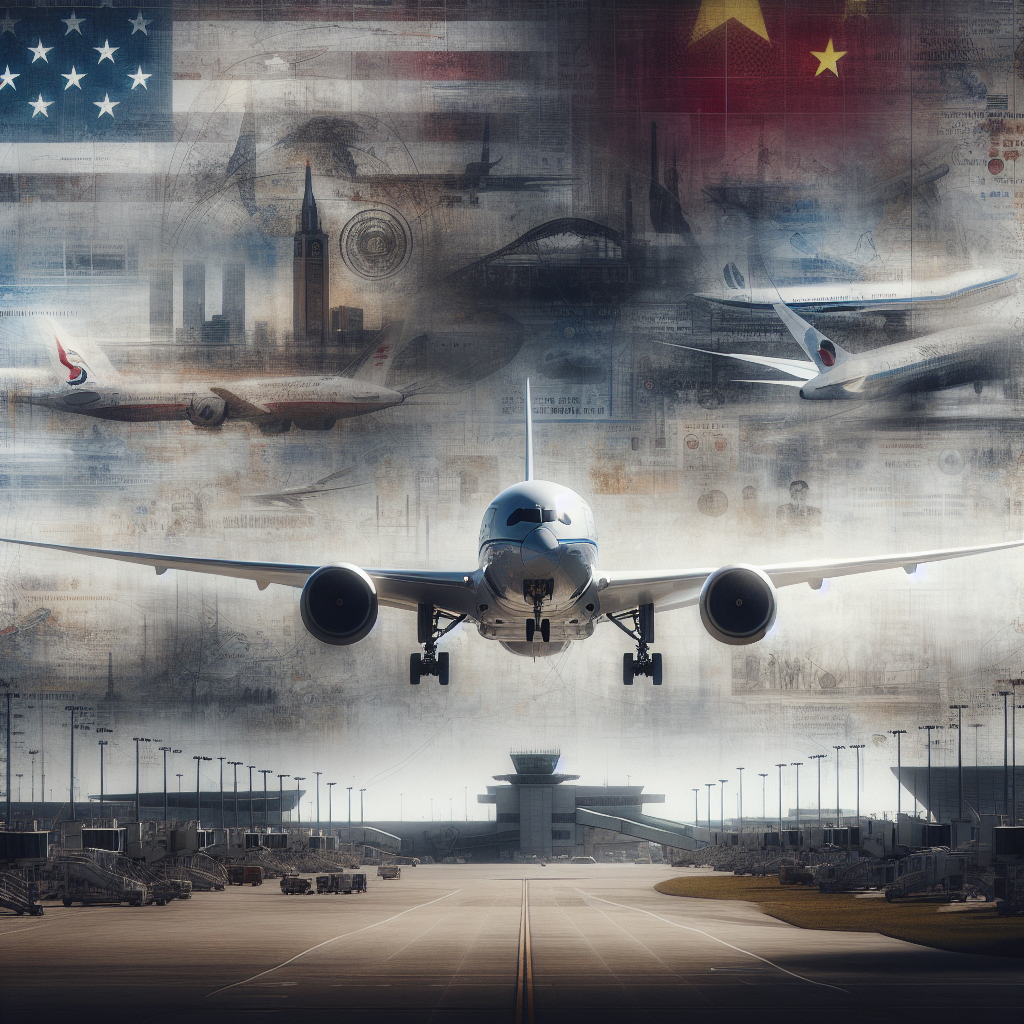
China Southern Cancels B787-8 Auction Amid US-China Tariffs

China Southern Airlines Cancels Sale of B787-8 Aircraft Amid Geopolitical Tensions
China Southern Airlines has unexpectedly cancelled the sale of 10 Boeing B787-8 aircraft and two GEnx-1B70/P2 engines, which were recently listed for auction. This decision marks a significant shift for one of China’s largest government-owned airlines, which had previously announced plans to dispose of its entire B787-8 fleet in November 2024.
In early 2025, China Southern Airlines took the initiative to list these aircraft on the Shanghai United Assets and Equity Exchange, inviting bids from interested parties. However, the airline reversed its decision, as revealed in a notification from the Shanghai exchange on April 11, 2025. This development coincided with a broader announcement from the Chinese government on April 15, 2025, which stated that further deliveries of Boeing aircraft to airlines in China would be blocked.
Implications of Geopolitical Relations on Airline Operations
The abrupt cancellation of the B787-8 sale is closely linked to the deteriorating relations between the United States and China. The ongoing tariff disputes have created significant uncertainty within the aviation industry, complicating long-term procurement strategies for airlines. In light of these challenges, China Southern Airlines appears to have reassessed its operational needs and decided to retain its existing fleet.
-
Original Plans for B787-8 Disposal:
- Announced in November 2024
- Intended to sell the entire B787-8 fleet
- Auction initiated in early 2025
- Decision to Cancel Sale:
- Notification from Shanghai exchange on April 11, 2025
- Coincided with government restrictions on Boeing deliveries
Market Dynamics and the Future of B787-8 Fleet
The decision to hold onto the B787-8 aircraft may reflect a broader trend in the aviation market. The smaller variant of the Dreamliner has not seen the same level of popularity as its larger counterparts. With the current geopolitical landscape resulting in an uncertain supply of new widebody aircraft, retaining existing assets might be a strategic move for China Southern Airlines.
Conclusion
As China Southern Airlines navigates this challenging environment, the airline’s focus on maintaining its B787-8 fleet underscores the complexities of international aviation amid geopolitical tensions. For those interested in the evolving dynamics of the airline industry, this situation serves as a critical case study.
We invite you to share your thoughts on this development or explore more related articles on the effects of international relations on aviation. For further reading on the implications of tariffs in the airline industry, check out this insightful article from Aviation Weekly.