Air Canada Fined $3,000 After Family Stuck in Panama for 33 Days

Air Canada Ordered to Pay Damages After Visa Cancellation Incident
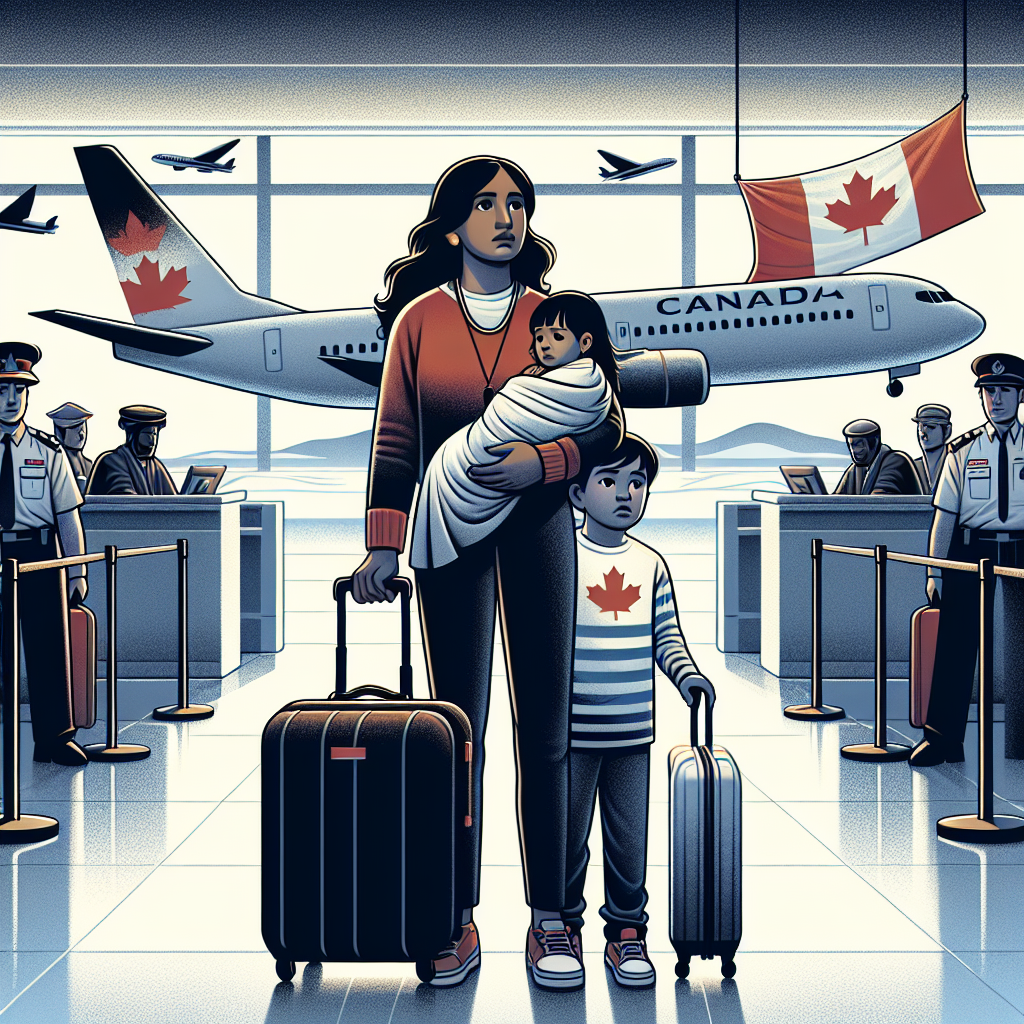
In a landmark ruling, Air Canada (AC) has been ordered to pay US$3,100 (approximately CA$4,100) in damages to Paula Mejias, a Venezuelan mother, after her family’s Canadian visas were abruptly canceled. This incident left Mejias and her three children stranded in Panama City for a staggering 33 days. The case highlights critical issues surrounding airline authority in immigration matters, making it a significant topic for travelers and legal experts alike.
Background of the Visa Cancellation Incident
The incident dates back to 2017 when Mejias and her children were on their way to Toronto (YYZ) to visit their father, an international student. Upon arriving at Tocumen International Airport (PTY), their valid travel documents were marked as “CANCELLED CBSA” by an Air Canada check-in supervisor. The abrupt cancellation raised questions about the airline’s role and responsibilities regarding passenger documentation.
Air Canada Fined by Court
On April 11, 2025, the Federal Court of Canada ruled that Air Canada exceeded its authority, leading to the unwarranted visa cancellations. Justice John C. Cotter’s 60-page decision, reviewed by the Toronto Star, clarified that Mejias and her children had all necessary documentation when checking in. The airline, rather than the Canadian government, was deemed responsible for the family’s predicament.
The court specifically criticized Air Canada check-in supervisor Arlin Corrales, whose testimony was found unreliable. Corrales claimed a “no board” alert had been issued for Mejias’ family, but the court concluded that their visa information had not been correctly entered into the airline’s system. Instead, the supervisor contacted Canadian authorities due to personal concerns about potential overstays, which were unfounded.
Visa Restoration and Implications for Airlines
Following the court’s decision, senior Canadian embassy official Kent Francis restored the canceled visas after realizing that Mejias’ husband was applying for a post-graduation work permit. He noted that standard procedure would have involved direct engagement by the Canada Border Services Agency (CBSA) with the visa holders, which did not occur in this case.
This ruling sets a significant precedent regarding the limitations of airline authority in immigration issues. Mejias, now a Canadian permanent resident, stated that the judgment emphasizes that airlines should not interfere in immigration-related matters, reinforcing their role as document verifiers at check-in.
Air Canada’s Response and Future Implications
In response to the ruling, Air Canada expressed concern that the decision creates uncertainty for airlines regarding their obligations under Canadian immigration laws. The airline argued that they are legally required to deny boarding to passengers lacking proper documentation and face penalties for non-compliance.
As this case unfolds, it raises critical questions about the responsibilities of airlines in immigration matters. Travelers and industry stakeholders are urged to stay informed about potential changes to airline policies and procedures regarding documentation verification.
Conclusion: Your Thoughts?
What are your thoughts on the Air Canada ruling? Do you believe airlines should have a role in immigration matters? Share your opinions in the comments below! For more related articles on airline policies and travel rights, check out our recent posts on travel documentation and airline responsibilities.