11 Hurt on Delta Flight from Milan to Atlanta Due to Turbulence

Title: Severe Turbulence on Delta Flight Raises Urgent Safety Concerns
Introduction:
In a recent incident that has drawn attention to airline safety, the National Transportation Safety Board (NTSB) released alarming data regarding a Delta Air Lines flight that experienced severe turbulence in August 2023. This critical event has sparked discussions on the importance of adhering to safety protocols during air travel.
Delta Flight Turbulence Incident
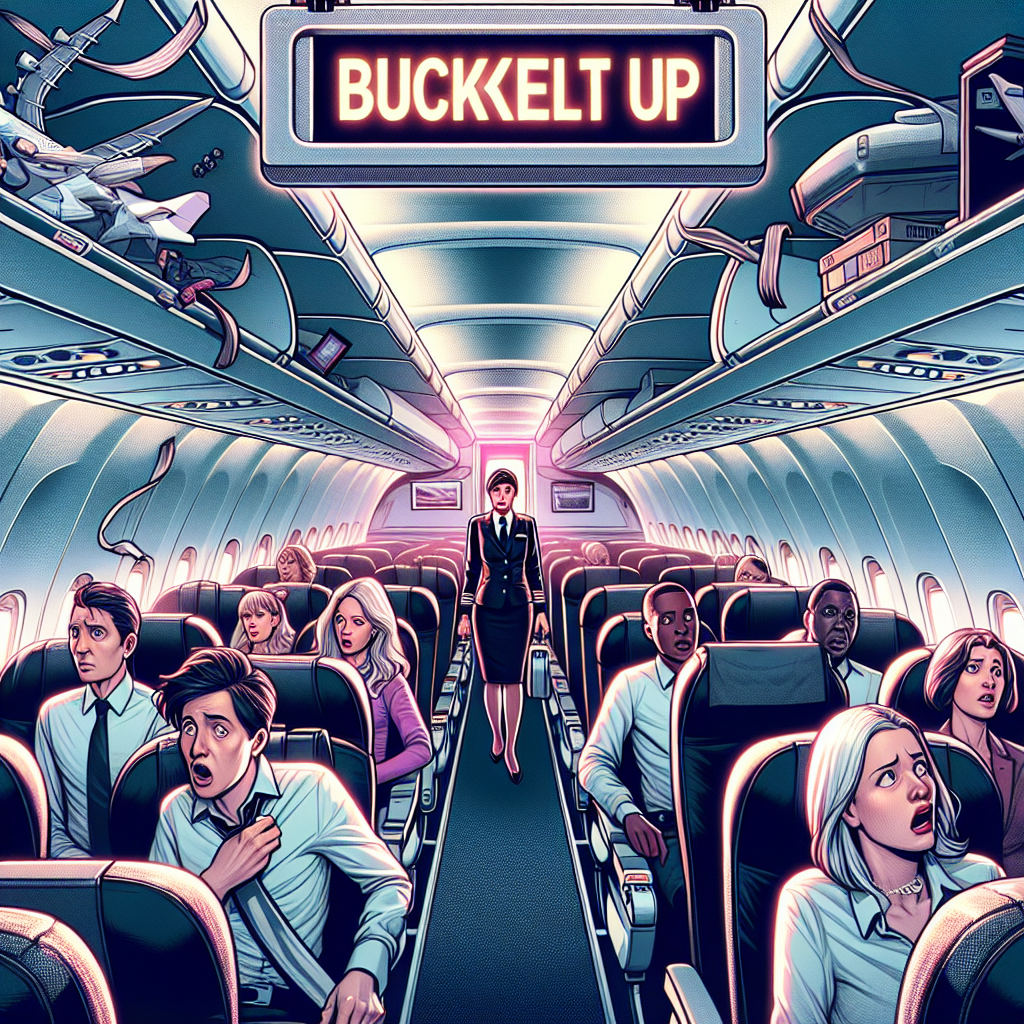
The turbulence occurred on Delta flight DL175, which was traveling from Milan (MXP) to Atlanta (ATL). Just 40 minutes before landing, the Airbus A350-900 encountered violent turbulence that resulted in significant injuries to passengers and crew. Notably, many of the injured passengers were not wearing their seatbelts, despite the seatbelt signs being illuminated at the time.
- Injuries Reported:
- Eleven passengers sustained injuries, with two suffering serious spinal fractures.
- Additional injuries included neck strains and other impacts from being thrown against the aircraft’s ceiling.
- Crew members also faced severe injuries, including compression fractures and concussions.
Immediate Responses and Medical Emergencies
Following the turbulence incident, the flight crew promptly declared a medical emergency. Upon landing, paramedics were ready to assist, and eleven passengers required hospital evaluation and treatment. This incident not only highlights the risks associated with severe turbulence but also emphasizes the critical need for passengers to follow safety instructions.
Understanding Turbulence Risks
NTSB data sheds light on turbulence-related injuries, revealing that 36% occur during an aircraft’s descent phase, with 65% happening below 20,000 feet. In this Delta flight case, the aircraft was at 14,000 feet when it encountered turbulence, underscoring the unpredictability of such events.
Industry Reactions and Safety Protocol Changes
In light of this incident, airlines are reassessing their safety protocols. For instance, Southwest Airlines has recently updated its policies, requiring flight attendants to be seated at 18,000 feet, up from the previous threshold of 10,000 feet. This proactive measure aims to reduce flight attendant injuries by up to 20%.
Conclusion: Importance of Following Safety Instructions
The Delta flight turbulence incident serves as a vital reminder of the potential dangers of air travel. Passengers must remain vigilant and follow safety instructions, particularly regarding seatbelt usage. As the aviation industry continues to adapt and improve safety protocols, increased awareness can help prevent future turbulence-related injuries.
Call to Action:
What are your thoughts on airline safety protocols? Share your experiences or read more about air travel safety in our related articles.