American Airlines Flight to Tokyo Diverted; Passenger Charged

FBI Charges Passenger for Disruptive Behavior on American Airlines Flight from New York to Tokyo
In a shocking incident on January 5, 2025, a Business Class passenger aboard American Airlines flight AA167 from New York (JFK) to Tokyo Haneda (HND) forced the aircraft to make an emergency landing in Anchorage, Alaska. Federal investigators have charged Robert Solesky with interfering with flight crew members, an offense that could lead to 20 years in prison and a hefty fine of $250,000. This incident highlights the growing concern over disruptive passenger behavior in air travel.
Details of the American Airlines Incident
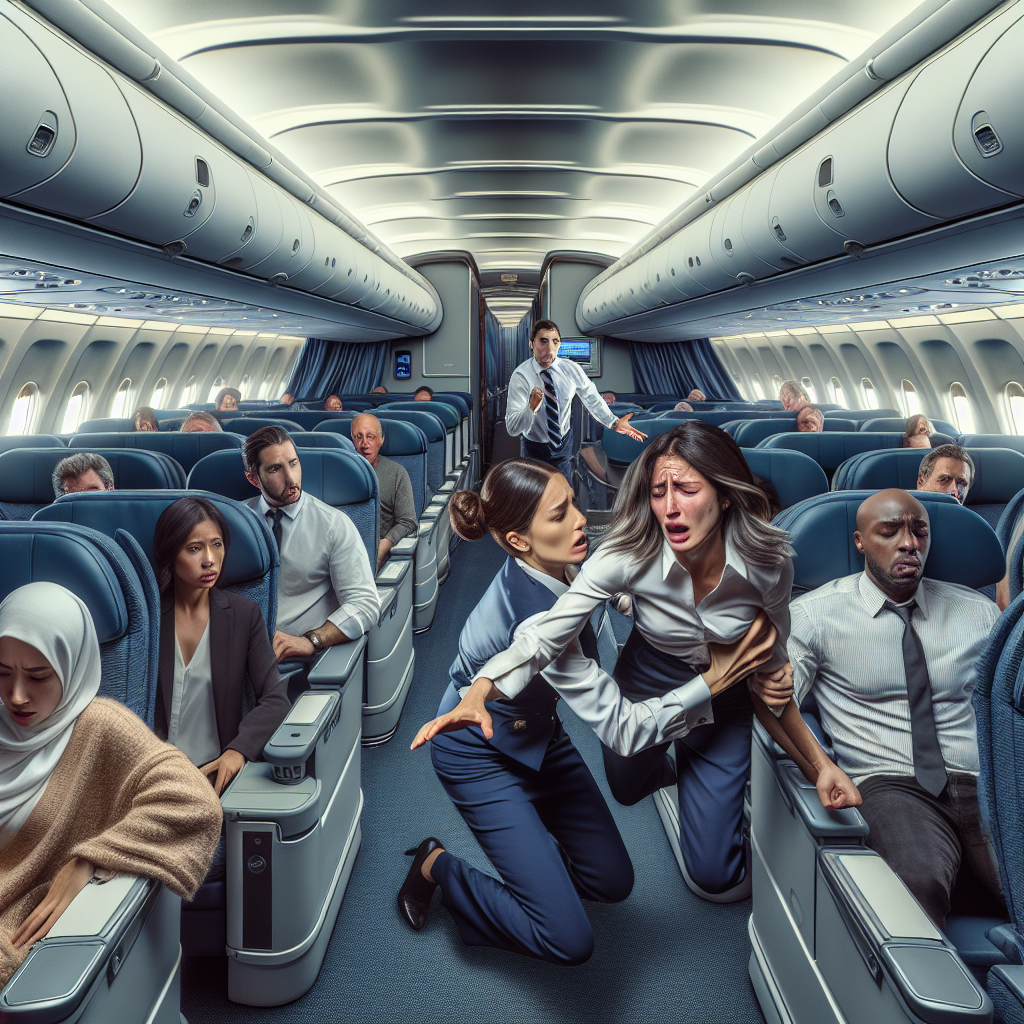
According to FBI reports, the flight crew became increasingly concerned about Solesky’s intoxicated state during the planned 14-hour journey. Approximately eight hours into the flight, crew members noticed him struggling to access the lavatory. The situation escalated when loud disturbances emerged from the restroom, causing alarm in the cockpit.
- Aggressive Behavior: When a flight attendant attempted to assist him, Solesky allegedly became physically aggressive, grabbing the crew member’s uniform.
- Safety Protocols Activated: The flight crew enacted safety protocols, instructing him to remain seated and restricting access to the forward lavatory. Solesky ignored these directives and made several unauthorized attempts to move towards the front of the aircraft.
As a result of his continued non-compliance, the Boeing 787-9, registered as N840AN, diverted to Anchorage. Law enforcement met the plane upon arrival, taking Solesky into custody.
Captain’s Intervention During the Crisis
The incident prompted the aircraft’s Captain to leave the cockpit and address the situation directly. In an unusual turn of events, Solesky’s wife supported the Captain’s decision to divert the flight for safety reasons. Despite multiple attempts by family members to restrain him, Solesky continued to disregard crew instructions, prompting the Captain to alter the flight path as the aircraft approached the Bering Sea.
- Emergency Landing: The diversion resulted in a three-hour delay for other passengers, and investigators collected statements from crew and witnesses prior to allowing the flight to continue its journey.
In addition to federal charges, Solesky may face civil litigation from American Airlines to recover costs associated with the diversion, which could include fuel expenses, crew overtime, and additional airport fees.
Rising Trend of Disruptive Air Travel Incidents
This incident is not isolated; there has been a noticeable increase in disruptive behavior among passengers across various airlines. Recent cases include:
- JetBlue Airways: On December 11, 2024, a disruptive incident occurred on a flight from JFK to Santo Domingo.
- Spirit Airlines: The following day, an unruly passenger delayed a flight at Pittsburgh International Airport.
- Aeroflot: In December 2024, an intoxicated passenger attempted to breach a window mid-flight, necessitating an emergency landing.
- EasyJet: On January 1, 2025, a teenage passenger’s disruptive behavior led to a diversion on a flight from Antalya to London Gatwick.
Moreover, on January 6, 2025, authorities arrested two women after a disturbance on Cathay Pacific flight CX581, further underscoring the pressing issue of in-flight misconduct.
As air travel continues to face challenges from disruptive passengers, industry authorities are under increasing pressure to enforce stricter regulations to ensure the safety and comfort of all travelers.
Your Thoughts?
Have you experienced or witnessed disruptive passenger behavior during a flight? Share your thoughts in the comments below. For more on air travel safety, check out our articles on recent airline incidents and the measures being implemented to combat unruly behavior.