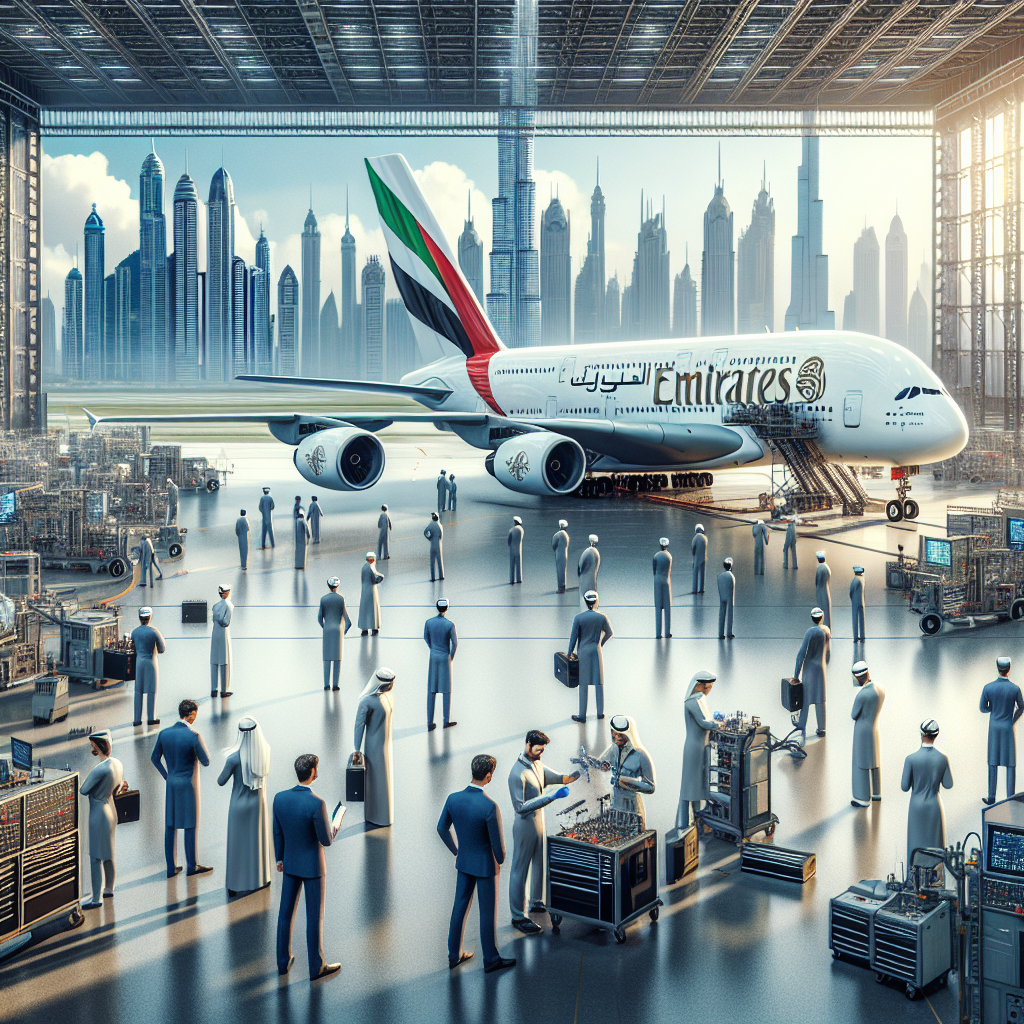
Emirates Invests $5 Billion in A380 and 777 Upgrades

Emirates Invests $5 Billion in Aircraft Retrofit to Tackle Aviation Supply Chain Disruptions
In a bold move to enhance operational efficiency amid ongoing supply chain challenges, Dubai-based airline Emirates (EK) is investing approximately $5 billion in a comprehensive aircraft retrofit program. This strategic initiative aims to modernize the airline’s fleet, ensuring it navigates the complexities of manufacturing delays while continuing to deliver exceptional service to its passengers.
Emirates Retrofit Programme: A Strategic Response
During a recent press conference in Berlin, Emirates President Tim Clark unveiled the details of the airline’s retrofit program. He emphasized the proactive measures being undertaken to address fleet challenges, stating, “We’ve had to take control of our own destiny.” This initiative primarily focuses on upgrading iconic aircraft models, including the Airbus A380 and Boeing 777, at Emirates’ state-of-the-art engineering facilities in Dubai.
The retrofit program will enhance cabin interiors and critical systems, extending the operational lifespan of these aircraft. Notably, the anticipated delivery of Boeing’s 777X model has been delayed due to pending certification, prompting Emirates to prioritize modernization of its existing fleet.
Exploring Alternative Aircraft Options
In addition to the retrofit program, Emirates is evaluating other aircraft, such as the Airbus A350-1000. However, Clark emphasized the importance of proven engine reliability from Rolls-Royce Holdings Plc before any orders are finalized. As the world’s largest operator of the Airbus A380, Emirates’ commitment to fleet modernization reflects a pragmatic approach to unprecedented challenges in the aviation industry.
Boeing Challenges: Communication Breakdown
Emirates President Tim Clark also shed light on significant communication issues with Boeing, revealing the complexities currently faced by the aerospace sector. Recently, Boeing executives canceled a scheduled meeting in Dubai, underscoring the mounting pressures within aircraft manufacturing. Clark indicated that a meeting with Boeing CEO Kelly Ortberg remains tentative, highlighting ongoing challenges in the manufacturer-airline relationship.
He stressed Boeing’s need to regain operational excellence reminiscent of the early 1990s, suggesting that substantial internal restructuring is essential for the company.
Economic Outlook and Travel Demand
Clark provided insights into the broader economic landscape, describing the current environment as "uncharted territory." He expressed concerns about potential economic impacts from international tariffs, which may reduce consumer discretionary income and, in turn, decrease travel demand. Despite these challenges, Clark maintains an optimistic outlook, advocating for diplomatic resolutions that could restore balanced international trade.
Conclusion: A Forward-Looking Strategy
Emirates’ $5 billion retrofit program showcases the airline’s commitment to overcoming supply chain disruptions while ensuring high-quality service for passengers. As the aviation industry navigates a complex landscape, Emirates remains focused on innovation and strategic investments to adapt to changing market conditions.
If you found this article informative, feel free to share your thoughts in the comments or check out related articles on our site for more insights into the aviation industry.