Delta Plane Crash at Pearson Tied to Gear Failure, Rapid Descent

Delta Air Lines Flight Crash at Pearson Airport: Preliminary Findings and Ongoing Investigation
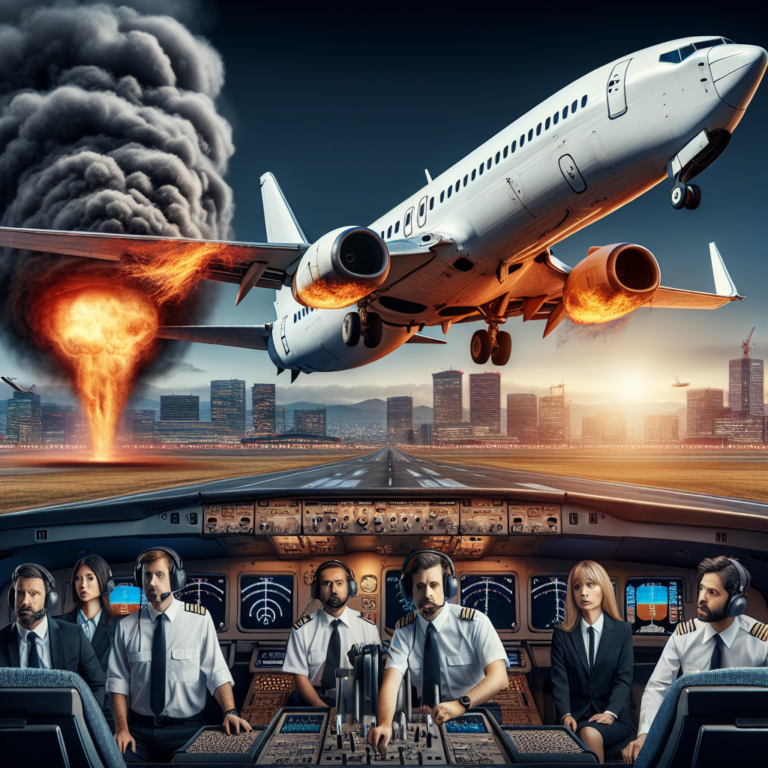
On February 17, 2023, a Delta Air Lines (DL) flight experienced a catastrophic crash upon landing at Pearson Airport (YYZ), leaving 21 people hospitalized and raising critical questions about aviation safety. Preliminary reports indicate that the aircraft was descending at an unusually high rate, and the proximity warning system alerted the crew just three seconds before touchdown. This tragic incident has prompted an extensive investigation by the Transportation Safety Board of Canada (TSB).
Delta Pearson Plane Crash Findings
The aircraft involved in the Delta crash was a Bombardier CL-600-2D24, operated by Delta’s subsidiary, Endeavour Air. The flight, which originated from Minneapolis (MSP), was carrying 76 passengers and 4 crew members. The first officer, relatively inexperienced with 1,422 total flight hours, was at the controls, while the captain, who had logged 3,570 hours, was monitoring the situation.
As the flight approached Runway 23 at Pearson Airport, weather conditions posed significant challenges, with wind gusts reaching 35 knots. This prompted the crew to adjust their approach speed to 149 knots. Approximately 2.6 seconds before landing, the enhanced ground proximity warning system issued a "sink rate" alert due to the high descent rate. Unfortunately, upon touchdown, the right main landing gear fractured, leading to a series of catastrophic failures, including the detachment of the wing and subsequent ignition of jet fuel.
Impact and Emergency Response
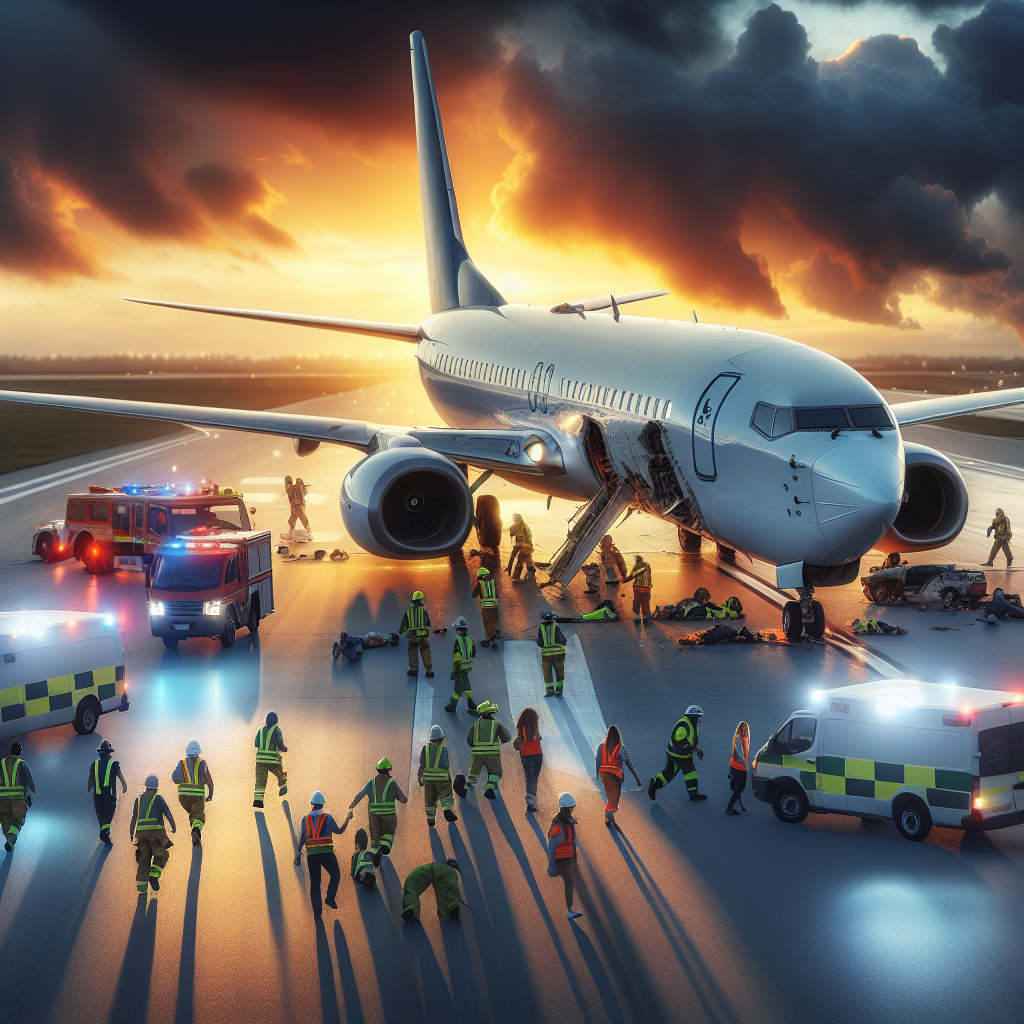
The aftermath of the Delta Pearson crash was chaotic. Passengers were thrown into disarray, with some finding themselves upside down in their seats due to the force of impact. As they attempted to evacuate, some sustained additional injuries from the sudden movements. Emergency responders arrived within five minutes, playing a crucial role in evacuation and securing the crash site.
Notably, an explosion occurred shortly after the evacuation, near the left wing root, further complicating the emergency response. Investigators are currently examining the cause of this explosion as part of their comprehensive inquiry into the incident.
Ongoing Investigations and Legal Action
The TSB is conducting a thorough investigation that will focus on multiple factors, including the landing gear’s structural integrity, pilot training, and adherence to landing procedures. In the wake of the crash, several lawsuits have been filed against Delta Air Lines (DL) and Endeavour Air. A U.S. law firm representing nine Canadian passengers claims they are suffering from severe physical and psychological injuries due to the incident.
Aviation lawyer Andres Pereira has raised concerns regarding the flight crew’s experience, noting that the captain had only logged 3.5 actual flight hours in the last month. Pereira questions the decision to pair the first officer and captain, suggesting it highlights potential gaps in their training and experience.
Delta Air Lines and Endeavour Air have refrained from commenting on the ongoing investigation, indicating they will wait for the final report before making any official statements.
Conclusion
The Delta Air Lines flight crash at Pearson Airport highlights critical safety concerns within the aviation industry. As investigations continue, the focus remains on understanding the causes and preventing future incidents. For ongoing updates and insights into aviation safety, stay tuned to our coverage. We invite readers to share their thoughts or explore related articles on aviation safety and passenger rights.
For more information, you can visit the Transportation Safety Board of Canada here or read more about aviation safety standards here.