American Airlines Pilots Can Delay Flights for This Reason

American Airlines Faces Potential Flight Delays Due to New Crew Meal Policy
American Airlines (AA) is grappling with potential flight delays resulting from a newly implemented crew meal policy. This change, which affects pilot scheduling and could impact passenger experiences, has raised concerns among pilots and industry experts alike. With the policy now in effect at Dallas/Fort Worth International Airport (DFW) and other major hubs, the airline must address the challenges posed by meal reimbursements and their implications on operational efficiency.
Understanding the New Meal Policy for American Airlines Pilots
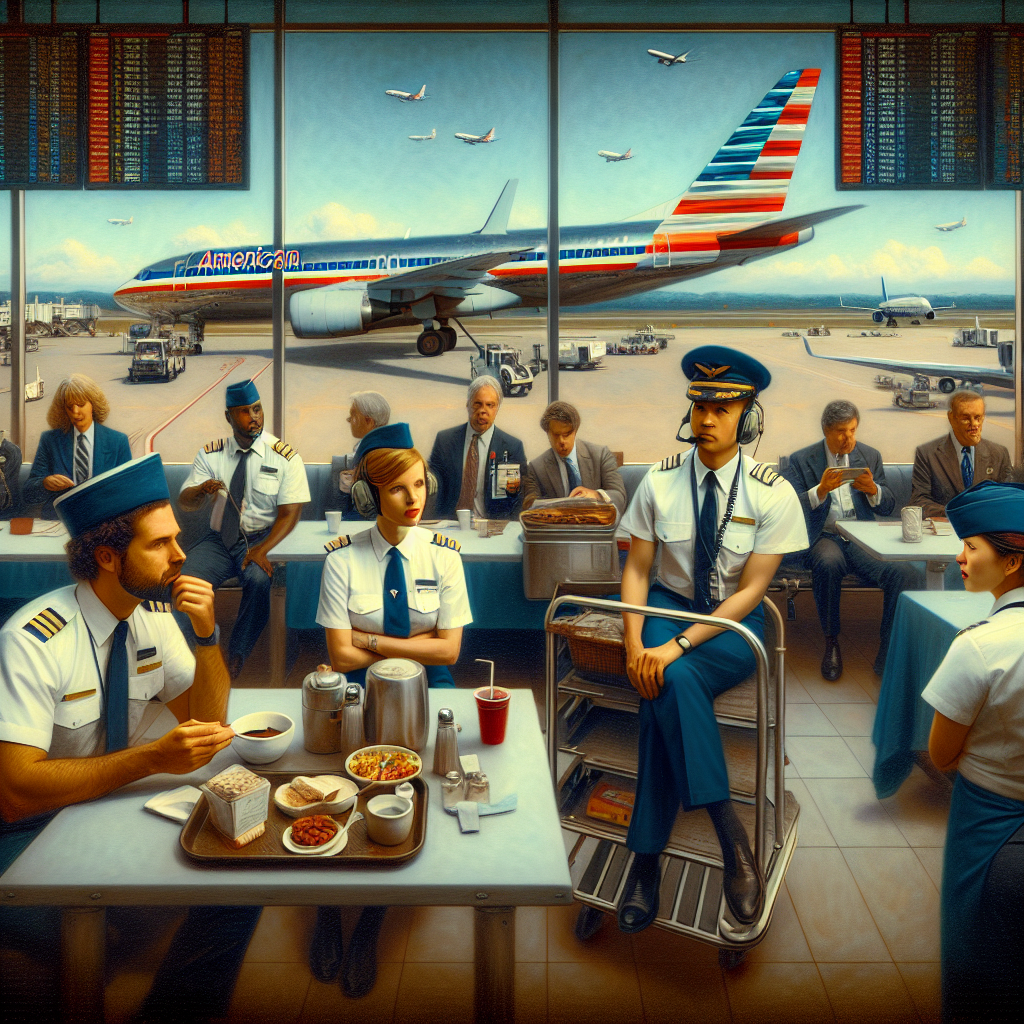
American Airlines has recently introduced stringent guidelines regarding inflight crew meals. According to the new policy, if a pilot’s scheduled meal is not loaded onto the aircraft, they may purchase a replacement, but only within 90 minutes of their scheduled departure. Additionally, any meal expense exceeding $30 is subject to denial for reimbursement.
Previously, pilots had the flexibility to complete their flights and purchase meals at their layover destinations. However, the new time constraints mean that pilots may need to search for food before departure, potentially causing additional delays.
Concerns from the Allied Pilots Association
The Allied Pilots Association (APA) has voiced significant concerns about the new meal policy, arguing that it imposes unnecessary stress on pilots and could interfere with their pre-flight duties. The APA suggests that these restrictions appear designed more to facilitate the rejection of reimbursement claims rather than to enhance operational efficiency.
It’s crucial to recognize that ensuring pilots have adequate sustenance is not merely a contractual obligation; it is vital for safety. Long duty hours necessitate sustained energy levels, and neglecting meals can impair cognitive function and critical decision-making abilities. Historically, legacy carriers like American Airlines have included provisions for crew meals in their contracts, underscoring their importance.
Impact on Flight Operations at Major Hubs
The implementation of this new meal policy raises significant concerns regarding flight operations. If pilots do not receive their scheduled meals, they may find themselves delaying pre-flight preparations to secure food. This shift in focus could negatively impact on-time performance, especially at busy airports like Dallas/Fort Worth International Airport (DFW) and Miami International Airport (MIA), where turnaround times are already tight.
American Airlines has long prioritized on-time performance as a key measure of customer satisfaction, competing with other major airlines like Delta Air Lines (DL) and United Airlines (UA). However, the new requirement for pilots to acquire food before departure contradicts the airline’s commitment to minimizing delays.
American Airlines’ Management Response
In response to these challenges, American Airlines plans to implement a new management initiative aimed at minimizing operational inefficiencies. Managers will be stationed at airport concourses to address flight delays stemming from common issues such as missing meals, incomplete catering, or cleaning concerns.
This initiative aligns with American Airlines’ strategy to enhance customer experience and reduce flight disruptions. However, the success of this approach remains uncertain, particularly if pilots continue to encounter difficulties in securing meals within the new time limits.
Conclusion: Navigating the Impact of the Meal Policy
The revised meal reimbursement policy at American Airlines may have unintended consequences, leading to potential flight delays. Pilots must now navigate the balance between securing their in-flight nutrition and fulfilling essential pre-flight responsibilities. As American Airlines seeks to uphold its reputation for on-time performance, effectively resolving these issues will be crucial for both pilots and passengers.
If you have thoughts on this new policy or want to learn more about airline operations, feel free to share your opinions or explore our related articles for further insights.