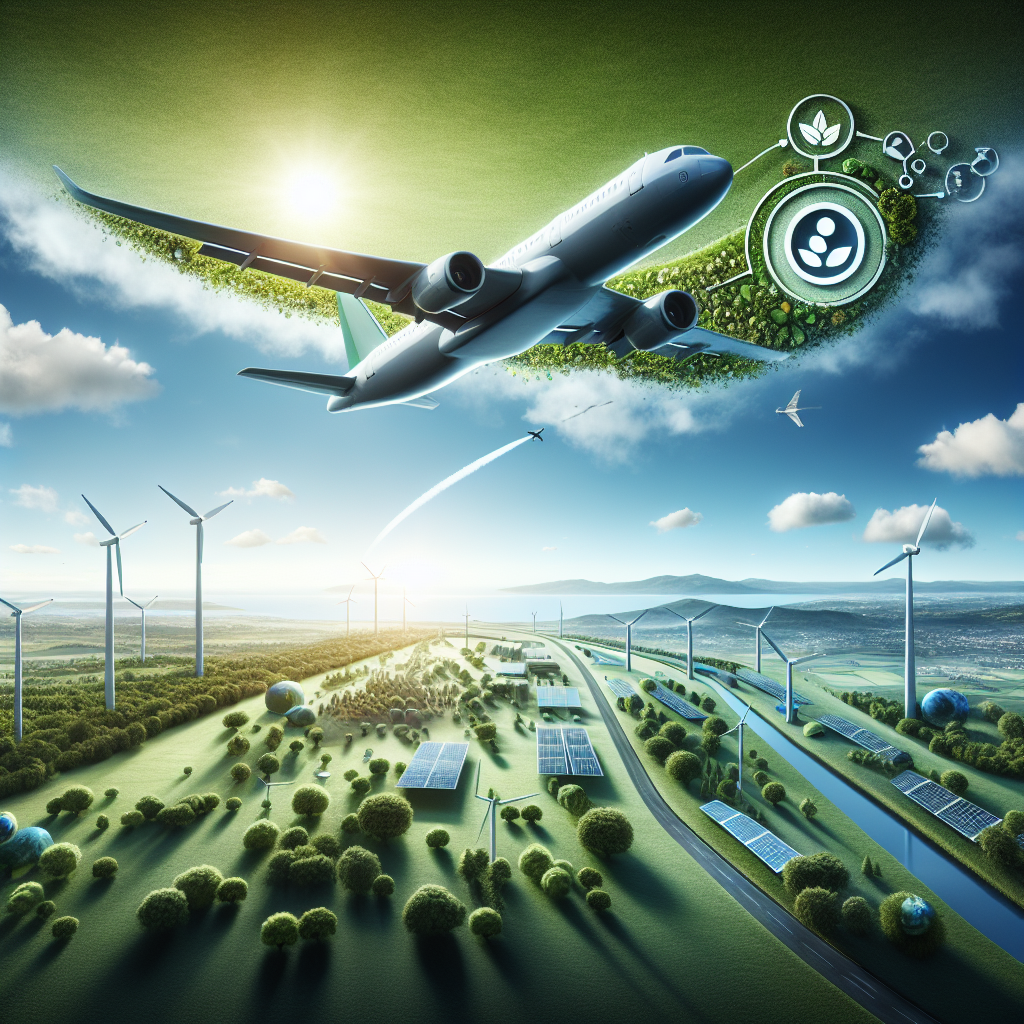
Flying Greener: How Carbon Offsets are Changing the Face of Air Travel

In an era where environmental concerns are at the forefront of global discussions, the aviation industry faces significant scrutiny for its carbon emissions. "Flying Greener: How Carbon Offsets are Changing the Face of Air Travel" explores innovative solutions aimed at reducing the environmental impact of air travel. As travelers increasingly seek sustainable options, carbon offsets have emerged as a practical tool in mitigating the effects of flying. These initiatives not only help to balance out emissions but also contribute to a larger movement towards greener travel practices.
Carbon offsets represent a growing trend in the aviation sector, allowing passengers to invest in environmental projects that reduce greenhouse gas emissions. By purchasing carbon offsets, travelers can support initiatives such as reforestation, renewable energy projects, and methane capture, effectively neutralizing the carbon footprint of their flights. This article delves into how these offsets are transforming air travel and paving the way for a more sustainable future.
Understanding Carbon Offsets in Air Travel
What Are Carbon Offsets?
Carbon offsets are reductions in greenhouse gas emissions that are used to compensate for emissions produced elsewhere. When travelers opt to purchase these offsets, they are essentially funding projects that either remove carbon from the atmosphere or prevent future emissions. Common types of projects include:
- Reforestation efforts: Planting trees to absorb CO2.
- Renewable energy projects: Supporting wind, solar, or hydroelectric energy initiatives.
- Energy efficiency programs: Improving energy use in buildings and industries.
How Do Carbon Offsets Work?
When a traveler books a flight, they can choose to purchase carbon offsets during the checkout process. The cost typically reflects the estimated emissions of the flight, allowing individuals to contribute to specific environmental projects. The effectiveness of these offsets depends on the quality and verification of the projects funded.
The Impact of Carbon Offsets on Air Travel
Benefits of Carbon Offsets
- Reduction of Carbon Footprint: By investing in carbon offsets, travelers can significantly reduce their personal contribution to climate change.
- Support for Sustainable Projects: Funds generated through offsets often go to initiatives that promote sustainability and conservation.
- Increased Awareness: The growing trend of carbon offsetting raises awareness about the environmental impact of flying, encouraging more sustainable travel choices.
Challenges and Criticisms
While carbon offsets offer a promising solution, there are criticisms to consider:
- Effectiveness of Projects: Not all carbon offset projects deliver the promised reductions in emissions, leading to questions about accountability.
- “Greenwashing” Concerns: Some airlines may use offsets as a marketing tool without implementing substantial changes to reduce their overall emissions.
The Future of Sustainable Air Travel
As the aviation industry continues to evolve, the integration of carbon offsets is likely to play a pivotal role in shaping more sustainable practices. Airlines are increasingly adopting these initiatives, often providing passengers with more options to offset their travel emissions.
Innovations in Carbon Offsetting
- Partnerships with Environmental Organizations: Many airlines are collaborating with credible environmental organizations to ensure the integrity of their carbon offset programs.
- Technological Advancements: Innovations in tracking emissions and project effectiveness are making it easier for travelers to see the impact of their contributions.
Conclusion
Carbon offsets are changing the face of air travel by providing travelers with a means to mitigate their carbon emissions. While challenges remain, the potential for a more sustainable aviation future is promising. As awareness grows, travelers can make informed decisions that not only benefit their journeys but also contribute to the health of our planet.
FAQs
What are carbon offsets?
Carbon offsets are financial investments in environmental projects designed to reduce greenhouse gas emissions, effectively balancing out the emissions produced by activities such as air travel.
How do I purchase carbon offsets?
Many airlines offer the option to purchase carbon offsets during the flight booking process. Additionally, independent organizations provide platforms for buying offsets directly.
Are all carbon offsets effective?
Not all carbon offset projects are created equal. It’s essential to research and choose offsets from verified sources to ensure they deliver the promised environmental benefits.
We invite you to share your thoughts on carbon offsets and their role in air travel. For more information on sustainable travel practices, check out our related articles on eco-friendly travel options.