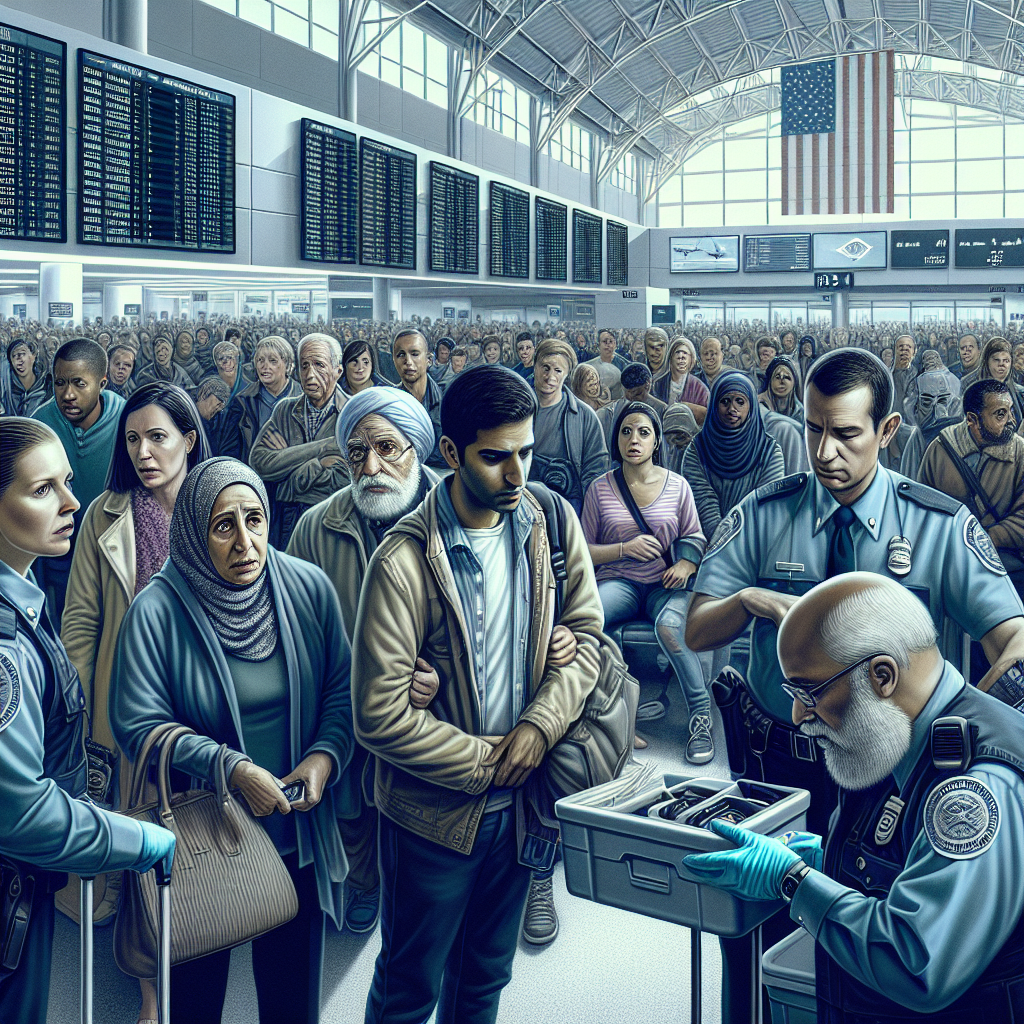
Indian Entrepreneur Detained for 8 Hours at Anchorage Airport

Title: Indian Entrepreneur Detained for Eight Hours at Anchorage Airport: What You Need to Know
Introduction
In a shocking incident that highlights the challenges faced by international travelers, Indian entrepreneur Shruti Chaturvedi was detained for eight hours by U.S. authorities at Ted Stevens Anchorage International Airport (ANC). The situation arose when security personnel flagged her power bank as suspicious, leading to a series of alarming events that have raised questions about the treatment of travelers in the U.S.
Chaturvedi’s experience, shared on social media, has sparked discussions around airport security protocols and the rights of passengers during detentions.
US Detained Indian Woman Entrepreneur: A Closer Look
Chaturvedi’s detention involved local police and Federal Bureau of Investigation (FBI) agents who conducted extensive questioning. According to her account on platform X (formerly Twitter), she reported being physically searched by male officers, denied restroom access, and forced to remove her warm clothing, all while being kept in a cold room.
Despite ultimately being released without any evidence of wrongdoing, her luggage was confiscated, and she was provided only a "frivolous duffle" as a replacement. Chaturvedi expressed her concerns about the vulnerability of Indian citizens abroad, stating, “Out of India, Indians are pretty powerless.”
Key Points of Chaturvedi’s Detention:
- Duration of Detention: Eight hours, which is unusually lengthy for airport security checks.
- Lack of Communication: Denied the ability to make phone calls or contact her embassy.
- Physical Search by Male Officers: Raised concerns about privacy and comfort during searches.
The Implications of Extended Detentions
This incident raises significant questions about the rights of international travelers during security detentions. Standard airport security protocols typically allow for separate search areas for male and female passengers and grant detained travelers the ability to make phone calls. Such prolonged detentions without communication privileges are not common in routine security procedures.
Diplomatic Considerations for Chaturvedi
By tagging the Indian External Affairs Minister and Ministry spokesperson in her posts, Chaturvedi appears to be seeking diplomatic intervention regarding her experience. The Indian government has previously stepped in to assist citizens who reported mistreatment abroad.
As of now, no public statements have been issued by U.S. authorities or Anchorage airport officials regarding this incident, nor has there been a response from the Indian External Affairs Ministry.
Similar Incident: Australian Traveler’s Nightmare at JFK
A related incident involves an Australian traveler who was also detained for eight hours at John F. Kennedy International Airport (JFK) after arriving from Hong Kong. Despite having valid documentation, he was questioned about the legitimacy of his travel route and ultimately deported, losing a $15,000 cruise booking in the process.
Key Takeaways from the Australian Case:
- Detention for Questionable Travel Routes: Travelers can be detained for taking common, cost-effective routes.
- Extensive Device Examination: Officials conducted thorough checks of his electronic devices during the interrogation.
Conclusion
The experiences of Shruti Chaturvedi and the Australian traveler shed light on the complexities and potential injustices faced by international travelers. As these incidents continue to raise awareness about airport security practices, it is crucial for travelers to understand their rights and the protocols in place.
If you’ve had similar experiences or have thoughts on this topic, feel free to share in the comments below. For more insights into travel safety and rights, check out our related articles on travel security and international traveler protections.
Related Article: Understanding Your Rights as an International Traveler | Read More About Recent Travel Incidents