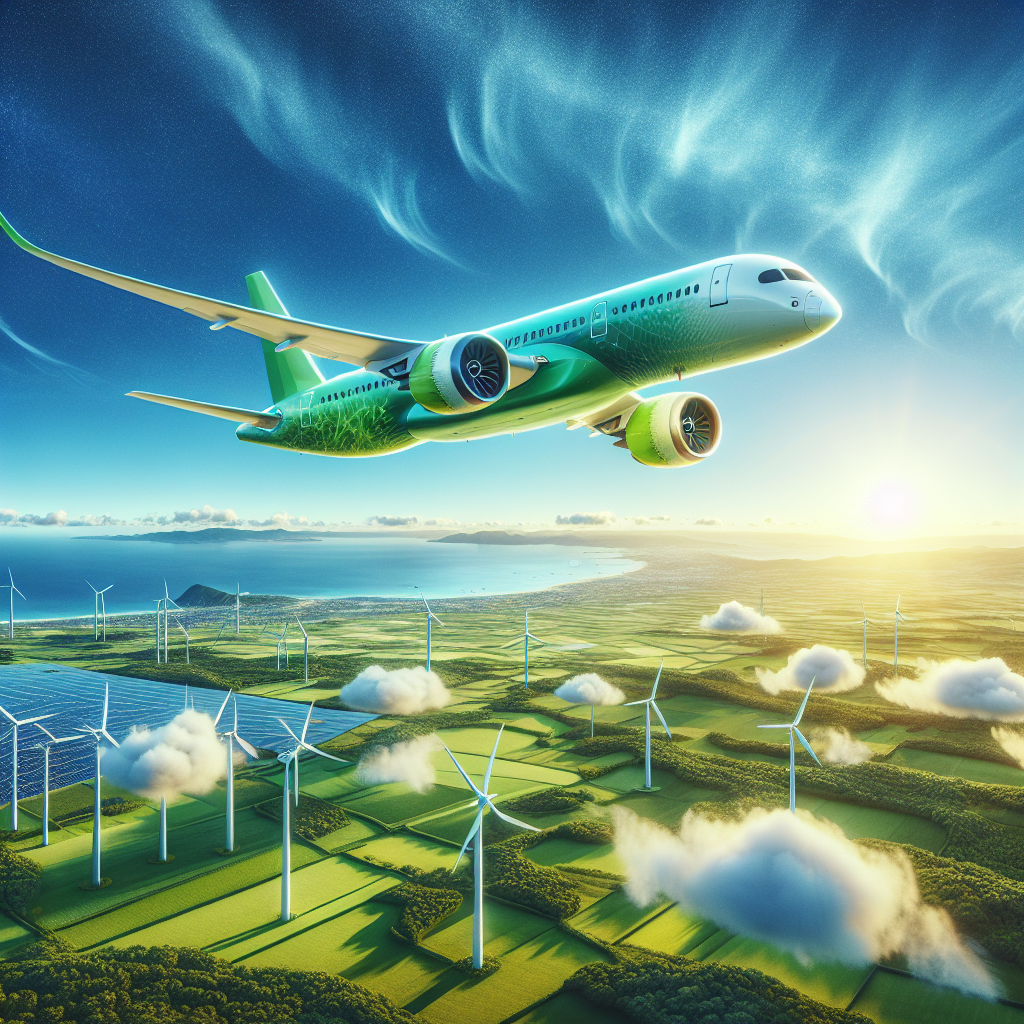
Cleared for Takeoff: How Airlines are Pioneering Sustainable Aviation Practices

The aviation industry is at a pivotal moment, as airlines worldwide strive to reduce their environmental impact and embrace sustainable aviation practices. With increasing awareness of climate change and its repercussions, the phrase "Cleared for Takeoff" takes on a new meaning, symbolizing not only the departure of flights but also the commitment to a more sustainable future. This article explores how airlines are pioneering innovative strategies to make air travel greener while ensuring safety and efficiency.
As the aviation sector accounts for a significant portion of global carbon emissions, the urgency for change is palpable. Airlines are now focusing on several key areas, including fuel efficiency, alternative fuels, and operational improvements, to promote sustainability. By implementing these strategies, airlines are setting a precedent for the future of air travel.
The Role of Sustainable Aviation Fuel (SAF)
One of the most promising developments in sustainable aviation practices is the use of Sustainable Aviation Fuel (SAF). Unlike traditional jet fuels, SAF is produced from renewable resources, such as agricultural waste and non-fossil fuel sources. This shift can lead to a substantial reduction in greenhouse gas emissions.
Benefits of SAF
- Lower Carbon Footprint: SAF can reduce lifecycle carbon emissions by up to 80% compared to conventional jet fuel.
- Compatibility: SAF can be used in existing aircraft engines without requiring any modifications.
- Economic Incentives: Governments are increasingly offering incentives for the production and use of SAF, making it more attractive for airlines.
Innovative Aircraft Designs
Airlines are also investing in innovative aircraft designs that prioritize fuel efficiency. New models incorporate lightweight materials and advanced aerodynamics to minimize drag and maximize fuel efficiency.
Features of Modern Aircraft
- Winglets: These extensions at the tips of wings reduce fuel consumption by improving aerodynamics.
- Hybrid and Electric Aircraft: Emerging technologies are paving the way for hybrid and fully electric planes that promise to revolutionize air travel.
Operational Improvements
Beyond fuel and aircraft design, airlines are optimizing their operational practices to enhance sustainability. This includes more efficient flight paths, reduced taxi times, and improved maintenance practices.
Strategies for Operational Efficiency
- Continuous Descent Approach: This method allows aircraft to descend more gradually, reducing fuel consumption and emissions.
- Single Engine Taxiing: By using only one engine while taxiing on the ground, airlines can significantly lower fuel usage.
Collaboration and Industry Initiatives
Collaboration is crucial for driving sustainable aviation practices. Airlines are working with industry partners, governments, and research institutions to develop and implement innovative solutions.
Notable Initiatives
- The Aviation Climate Taskforce: This collaborative effort aims to accelerate the development of technologies that support sustainability in aviation.
- Industry Commitments: Many airlines have pledged to achieve net-zero emissions by 2050, showcasing their dedication to long-term sustainability.
Conclusion
The aviation industry’s commitment to pioneering sustainable practices is evident, as airlines embrace innovations in fuel, aircraft design, and operational efficiency. By adopting these strategies, the sector is taking significant steps toward minimizing its environmental impact while ensuring safe and efficient air travel.
As we look to the future, the call for sustainability in aviation will only grow louder. Airlines need to continue their efforts and collaborate across the industry to ensure that air travel can thrive without compromising the planet’s health.
FAQs
What is Sustainable Aviation Fuel (SAF)?
SAF is a renewable fuel alternative made from sustainable resources, significantly reducing carbon emissions compared to conventional jet fuel.
How do modern aircraft designs contribute to sustainability?
Modern aircraft designs incorporate lightweight materials and advanced aerodynamics, improving fuel efficiency and reducing emissions.
What operational improvements are airlines implementing for sustainability?
Airlines are optimizing flight paths, reducing taxi times, and implementing practices like single-engine taxiing to enhance fuel efficiency.
We invite you to share your thoughts on sustainable aviation practices or explore more related articles on our website. Together, let’s keep the conversation going about creating a greener future for air travel!