Airbus Unveils New A320neo Production Line in Mobile, AL

Airbus Expands Production with New A320neo Line in Mobile, Alabama
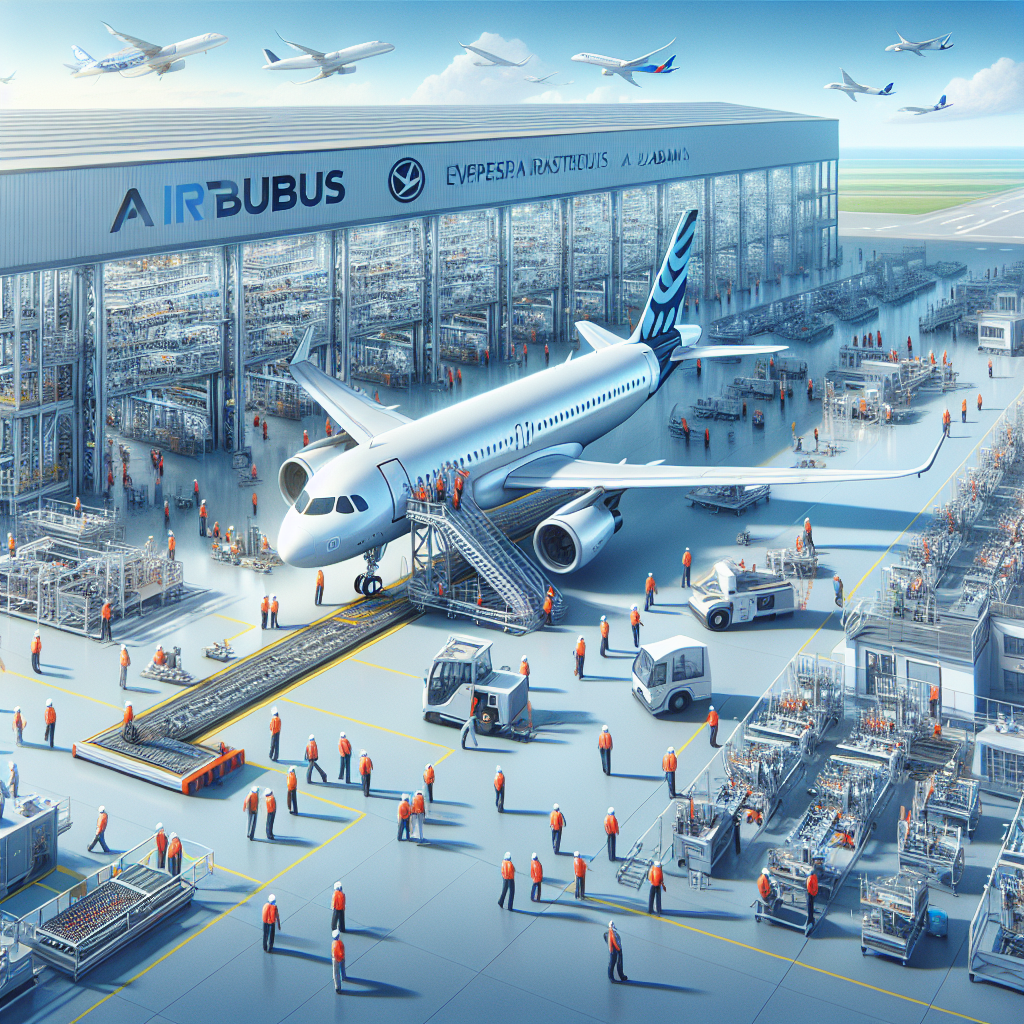
Airbus is making significant strides in its manufacturing capabilities by launching a second A320neo production line at Mobile Aeroplex at Brookley, scheduled to commence operations in Q3 2025. This strategic move is set to enhance the company’s production capacity and solidify its presence in the U.S. aerospace market. Moreover, Airbus is dedicated to achieving its target of producing 14 A220 aircraft monthly by 2026, despite facing ongoing supply chain challenges.
This expansion at the Mobile facility complements Airbus’ existing A220 production in Mirabel, Canada, and underscores the company’s commitment to fulfilling the growing demand for fuel-efficient aircraft. In this article, we delve into Airbus’ production goals, strategic initiatives, and the supply chain dynamics that are shaping the company’s future.
Airbus A320neo Production Line: A Strategic Expansion
Airbus initiated operations in Mobile, Alabama, a decade ago with a single assembly line dedicated to the A320 family. In 2020, it expanded its production capabilities by adding an A220 line, further supporting the rising demand for these aircraft.
- New Assembly Line: Originally slated for a Q2 2025 launch, the second A320neo assembly line is now expected to be operational by Q3 2025.
- Strengthening U.S. Presence: This new line is part of Airbus’ broader strategy to reinforce its manufacturing footprint in the U.S. and cater more effectively to North American customers.
- Meeting Demand: The expansion is essential for increasing output of popular models like the A320neo and A220, both key players in Airbus’ single-aisle portfolio.
Despite the challenges posed by supply chain disruptions, Airbus remains committed to its production goals. The company aims to produce 14 A220s per month across both Mobile and Mirabel by 2026, although it has only delivered 75 A220s in 2024 and 17 in Q1 2025. Supply chain issues stemming from the COVID-19 pandemic continue to impact production output, but Airbus is optimistic about meeting its targets.
Navigating Supply Chain Pressures
Airbus is currently navigating various supply chain challenges, particularly with components like cabin monuments and buyer-furnished equipment, which are crucial for aircraft completion. However, a notable advantage for Airbus is its partnership with Pratt & Whitney, which has ensured timely delivery of PW1100G and PW1500G engines, despite the latter facing recalls due to defective components.
- No Engine Delays: Unlike some competitors, Airbus has reported no delays from engine shortages, which positions the company favorably in maintaining production schedules.
- Ongoing Challenges: Other supply chain issues persist, particularly regarding customized components that affect delivery timelines across the industry.
2025 Delivery Outlook: A Positive Projection
Looking ahead, Airbus has set an ambitious delivery target of 820 aircraft for 2025, following a total of 766 deliveries in 2024—falling short of its initial goal of 800. The company is optimistic about achieving its targets under current production conditions.
- Focus on Quality: As Airbus ramps up production in the U.S. and expands its industrial capacity, the emphasis remains on meeting airline demand without compromising quality or delivery schedules.
- Long-Term Goals: Despite delivering only 92 A220s in the past 15 months, Airbus is committed to resolving supply constraints to meet its 2026 objective.
Success in Mobile will not only enhance Airbus’ production capabilities but also strengthen its global network, ensuring it meets the demands of major carriers like American Airlines and United Airlines.
As Airbus continues to navigate these challenges and expand its production capabilities, we invite you to share your thoughts on the company’s future in the aerospace industry or explore related articles on manufacturing advancements and supply chain strategies.