China Southern Halts Boeing 787 Sale Amid US Tensions

China Southern Airlines Halts Boeing 787 Fleet Sale Amid US-China Trade Tensions
BEIJING – In a significant development impacting the aviation industry, China Southern Airlines (CZ) has announced the suspension of its plans to sell its fleet of Boeing 787 aircraft. This decision comes in light of escalating trade tensions between China and the United States, which have created uncertainty in the airline’s operational strategies.
China Southern Airlines operates a total of 10 Boeing 787-8 jets, which are vital for maintaining key network routes. The airline’s initial intention to sell these aircraft would have necessitated sourcing new planes to sustain service on these critical connections. However, with the current trade climate, such a move has become increasingly complicated.
US-China Trade Tensions: A Growing Concern
Two weeks prior, China Southern Airlines signaled its intent to sell its Boeing 787-8 fleet, listing the aircraft on the Shanghai United Equity Exchange. Each of the 10 jets, equipped with GENX-170 engines, was offered at a minimum price of $50 million. While this price is significantly lower than the original list price, it aligns with the market value for these 11.6-year-old aircraft.
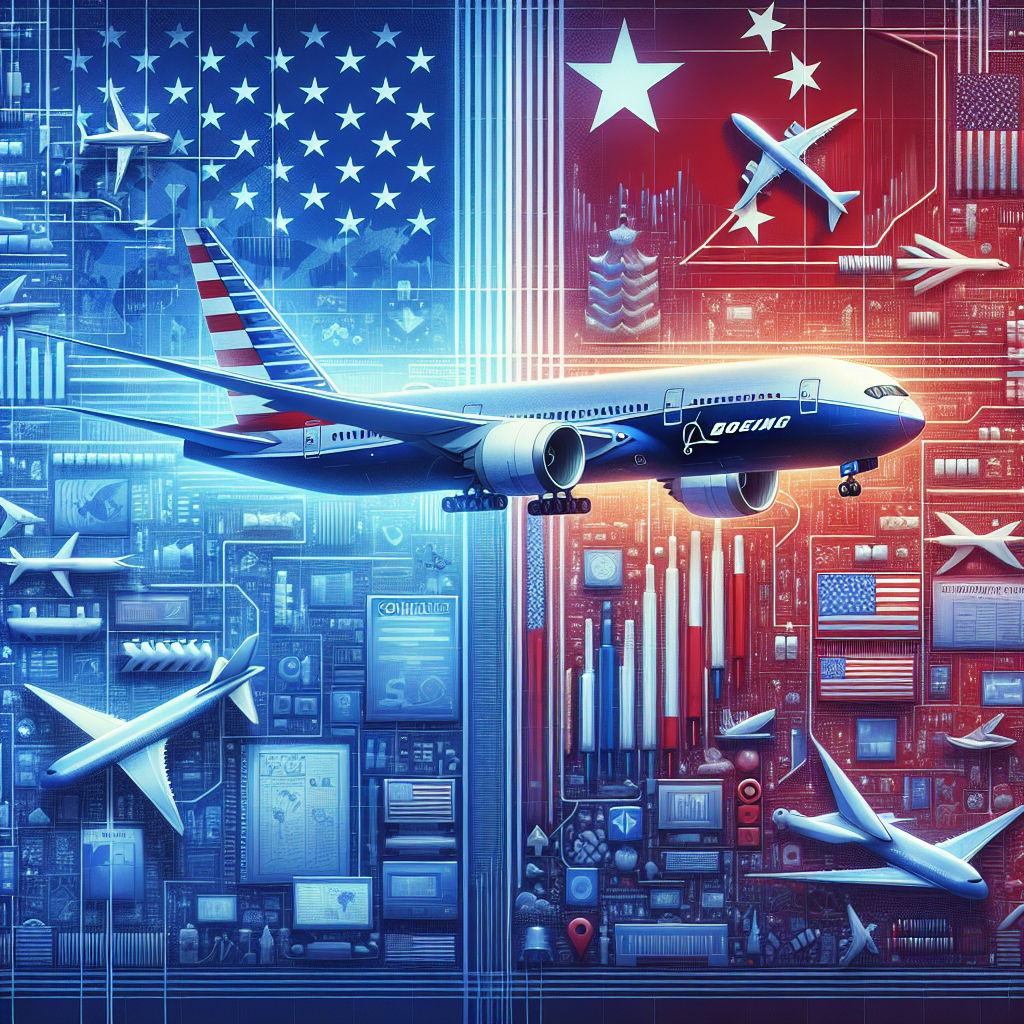
The deterioration of trade relations between the US and China has had direct repercussions for the aviation sector. Recent reports suggest that China has ordered all airlines to halt the acceptance of new Boeing commercial aircraft deliveries, marking a serious escalation in the ongoing trade dispute.
Impact on Fleet Planning and Operations
China Southern’s decision to retain its Boeing 787-8s stems from concerns about the future availability of aircraft. With the Chinese government restricting new Boeing deliveries, airlines are compelled to rethink their fleet renewal strategies. The airline now plans to hold onto its older 787 models to ensure capacity, as acquiring replacement aircraft has become less certain.
This situation poses considerable challenges not only for Chinese airlines but also for Boeing. The inability to deliver new aircraft threatens Boeing’s production rates and financial stability. The manufacturer may need to redirect aircraft originally intended for Chinese customers to other markets, depending on existing contracts.
Last Resort Measures and Broader Implications
Industry analysts note that China’s decision to block Boeing deliveries appears to be a last-resort measure. Such actions could have far-reaching consequences for China’s aviation industry, potentially hindering growth and modernization efforts. The impacts extend beyond just Boeing and Chinese carriers, disrupting the global aviation supply chain and affecting international air travel capacity.
Fleet Management Challenges Ahead
Currently, China Southern Airlines operates 10 Boeing 787-8 models, which are crucial for the airline’s route network. The planned sale of these aircraft would have required new models for replacement, but with the current restrictions, the airline must develop alternative fleet strategies. This situation underscores how global trade policies directly influence airline operations and fleet management, compelling carriers to adapt swiftly to shifting political dynamics.
As the trade tensions continue to evolve, the aviation industry will be watching closely. Will China Southern Airlines ultimately find a way to modernize its fleet, or will it be forced to rely on older aircraft for the foreseeable future?
What are your thoughts on the impact of US-China trade relations on the aviation industry? Share your insights in the comments below, and don’t forget to check out our related articles on airline strategies and international trade.