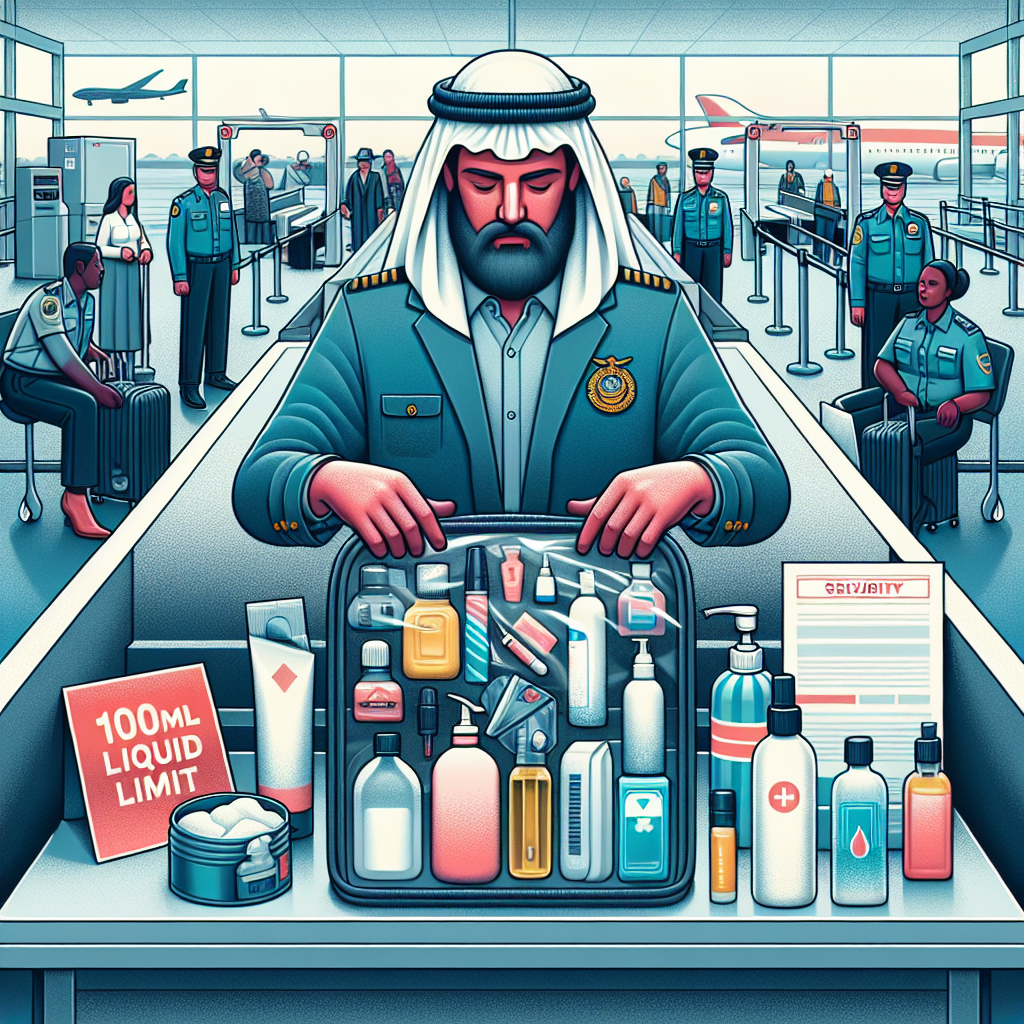
Why Airlines Limit Cabin Liquids to 100ml

Understanding the 100ml Liquid Restriction in Air Travel: What You Need to Know
For millions of air travelers around the globe, the 100ml liquid restriction has become a routine part of the airport experience. This rule, which mandates that liquids must be carried in containers of no more than 100ml, often leads to the painstaking task of decanting favorite toiletries into smaller bottles and organizing them into clear plastic bags. But why does this regulation exist? Understanding the security rationale behind the 100ml liquid rule can help transform your frustrations into appreciation.
The Origins of the 100ml Liquid Rule
The 100ml liquid restriction was established in 2006 as a direct response to a serious security threat. British authorities uncovered a sophisticated terror plot involving extremists who aimed to smuggle liquid explosives onto transatlantic flights. By combining seemingly harmless liquids mid-flight, these individuals planned to create powerful explosives that could cause catastrophic damage to aircraft.
In light of this imminent danger, aviation authorities worldwide hurriedly implemented liquid restrictions in cabin luggage. What began as a temporary measure quickly became a global standard, resulting in the 100ml rule that travelers are familiar with today.
The Science Behind the 100ml Limit
Security experts determined that 100ml is the critical threshold for managing explosive risks. A container of this size cannot hold enough liquid explosive to inflict severe damage to an aircraft. Even if several 100ml containers were combined after passing security, the total volume would still fall short of the necessary levels for a significant explosive event.
The one-litre transparent bag requirement plays a dual role in enhancing safety. It not only limits the total volume of liquids a passenger can carry but also allows security personnel to efficiently examine all liquid items during screening, improving both security and processing times.
What Counts as a Liquid Under Aviation Rules?
Travelers are often surprised by the broad classification of liquids in aviation security. Here are the categories that fall under this restriction:
- Conventional liquids: Water, juices, alcoholic beverages
- Gels and semi-solid substances: Hair gel, toothpaste
- Creams and lotions: Sunscreen, moisturizers
- Aerosols: Deodorant, hairspray
- Pastes: Food spreads
- Makeup products: Mascara, lip gloss
This wide-ranging definition includes items that could potentially conceal explosive components, which is why even seemingly harmless substances like yogurt or peanut butter are included in the restrictions.
Exceptions to the 100ml Rule
While the 100ml restriction is stringent, aviation authorities acknowledge that certain essential liquids need exceptions. These include:
- Medical necessities: Prescription medications can exceed the 100ml limit when necessary. Passengers should declare these items and may need documentation.
- Infant nutrition: Baby formula, breast milk, and baby food are exempt when traveling with infants, though they will undergo additional screening.
- Duty-free purchases: Liquids bought in secure airport areas post-security can exceed 100ml if sealed in tamper-evident packaging. However, challenges can arise during connecting flights.
Technological Advancements in Aviation Security
As technology evolves, there is potential for relaxing liquid restrictions without compromising safety. Advanced computed tomography (CT) scanners can analyze the molecular composition of container contents, distinguishing harmless substances from potential threats. Some international airports have begun trialing this technology, and the European Union plans to gradually phase out liquid restrictions in facilities equipped with advanced scanners.
Despite these advancements, the 100ml rule is likely to remain in place at many airports until widespread adoption of new technologies occurs.
Practical Tips for Navigating Liquid Restrictions
To make your travel experience smoother, consider these practical strategies:
- Opt for solid toiletries when possible (e.g., solid shampoo bars, stick deodorants).
- Transfer essential liquids to travel-sized containers before your trip.
- Use hotel-provided toiletries instead of packing your own.
- Purchase necessary liquids at post-security retail locations.
- For longer trips, consider checking a bag for full-sized liquid items.
- Pre-pack your security-compliant clear bag at home to expedite the process at checkpoints.
Balancing Security and Convenience
The 100ml liquid restriction highlights the ongoing challenge of balancing security with passenger convenience in air travel. While these rules may seem inconvenient, they are essential for addressing real security vulnerabilities that could threaten aviation safety.
As aviation security experts continue to monitor emerging threats and explore potential technological solutions, the 100ml restriction remains a critical defense against sophisticated risks. By understanding the reasoning behind this rule, travelers can appreciate the necessary security measures that help keep skies safe.
What are your thoughts on the 100ml liquid restriction? Share your experiences or check out related articles to learn more about air travel security measures!