United Airlines Denies Boarding After Deplaning Passenger

United Airlines Incident Raises Questions About Boarding Protocols at Chicago O’Hare
In a recent incident at Chicago O’Hare International Airport (ORD), a standby passenger was unexpectedly removed from United Airlines flight UA1905, igniting concerns about the airline’s passenger handling protocols. The passenger, who was traveling with his elderly father, was assured by gate agents that he could reboard the flight after a brief issue arose. However, this assurance was not honored, leading to a distressing separation between father and son.
This incident highlights critical flaws in United Airlines’ boarding procedures and compensation policies, particularly regarding standby passengers. As travelers increasingly rely on airlines for seamless journeys, incidents like this prompt a reevaluation of customer care and operational efficiency.
When Boarding Passes Don’t Guarantee Your Seat
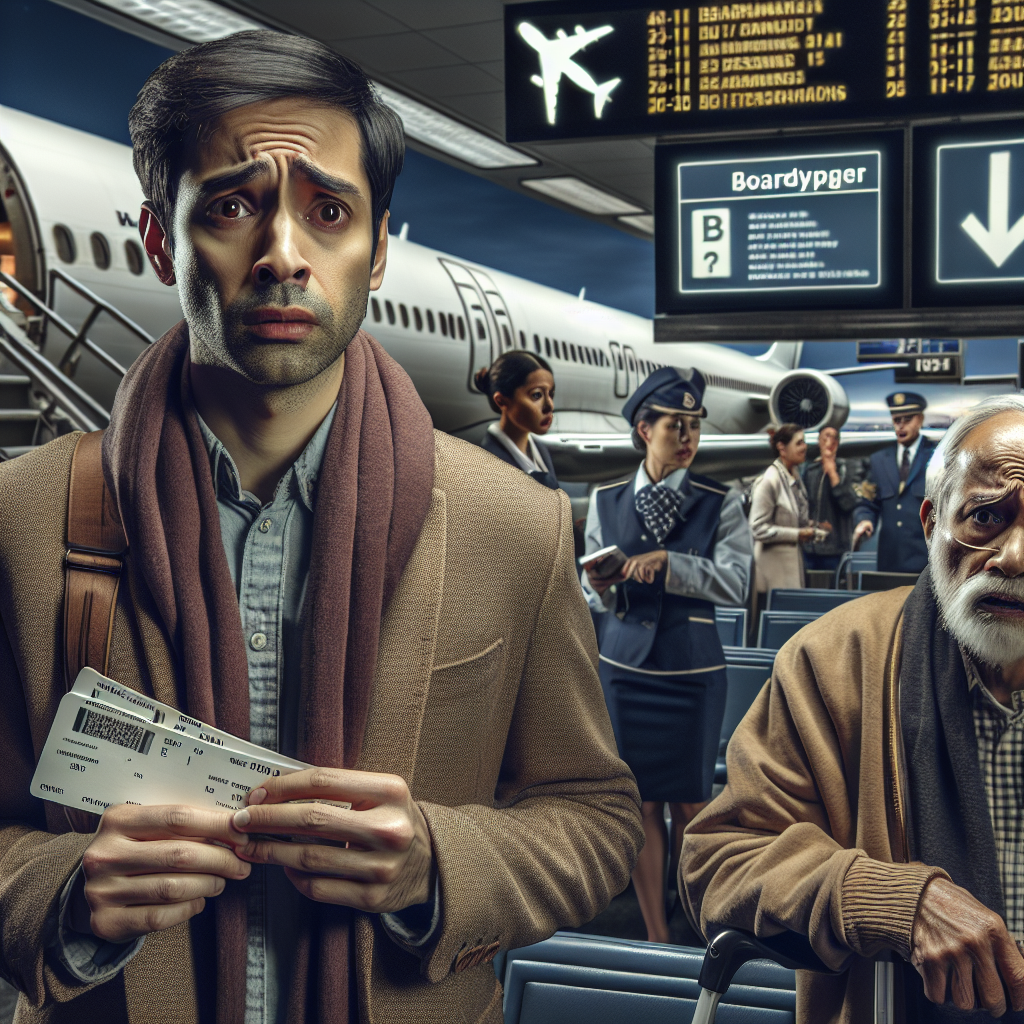
On May 2, 2025, an anonymous traveler and his elderly father, both standby passengers, received their boarding passes just 20 minutes before the flight’s departure from Chicago (ORD) to Pittsburgh (PIT). They boarded the aircraft without issue, but shortly before the doors closed, a gate agent requested their return to the terminal due to a "minor problem in the system." They were assured they would be permitted to reboard, but upon reaching the gate, a different agent informed them the flight would depart without the son.
The situation was exacerbated when the passenger realized he had left his cell phone in the seat pocket. Despite multiple requests, gate agents refused to retrieve it, leaving the son without a means of communication while his elderly father remained onboard, unable to navigate the airport alone.
Conflicting Explanations from United Airlines
Upon arrival in Pittsburgh, the elderly father sought answers regarding his son’s removal. A gate agent initially claimed it was due to weight restrictions; however, this was contradicted by the pilot, who stated there were no such issues. United Airlines offered the passenger a $350 flight credit, later increasing it to $500 after he expressed dissatisfaction. He was rebooked on a flight that departed three hours later.
According to Department of Transportation regulations regarding involuntary denied boarding, the compensation should be 200% of the one-way fare (up to $775) when delays are between one and four hours. This compensation is typically required to be provided in cash, not as airline credit.
Systemic Failures in Passenger Handling
This incident underscores several operational failures within United Airlines:
- Timing of Ticket Verification: Ticket checks should occur before boarding, not after passengers are seated.
- False Assurances: Gate agents provided misleading information regarding reboarding.
- Property Retrieval Denied: Reasonable requests to retrieve personal belongings were ignored.
- Inadequate Support for Vulnerable Passengers: The elderly father was not allowed to deplane despite expressing distress.
- Inconsistent Compensation Offers: The compensation provided did not align with regulatory standards for denied boarding.
The traveler mentioned feeling exhausted from the long travel day managing his elderly father, illustrating how vulnerable passengers can be to operational failures.
Conclusion and Call to Action
This incident not only raises questions about United Airlines’ boarding protocols but also emphasizes the need for better support systems for travelers, especially those with dependencies. As airlines continue to evolve, it’s crucial they prioritize customer care to prevent such distressing situations in the future.
What are your thoughts on this incident? Have you experienced similar issues while traveling? Share your experiences in the comments, and consider reading our related articles on airline policies and passenger rights for further insights.
For more information on airline compensation regulations, visit the U.S. Department of Transportation website.