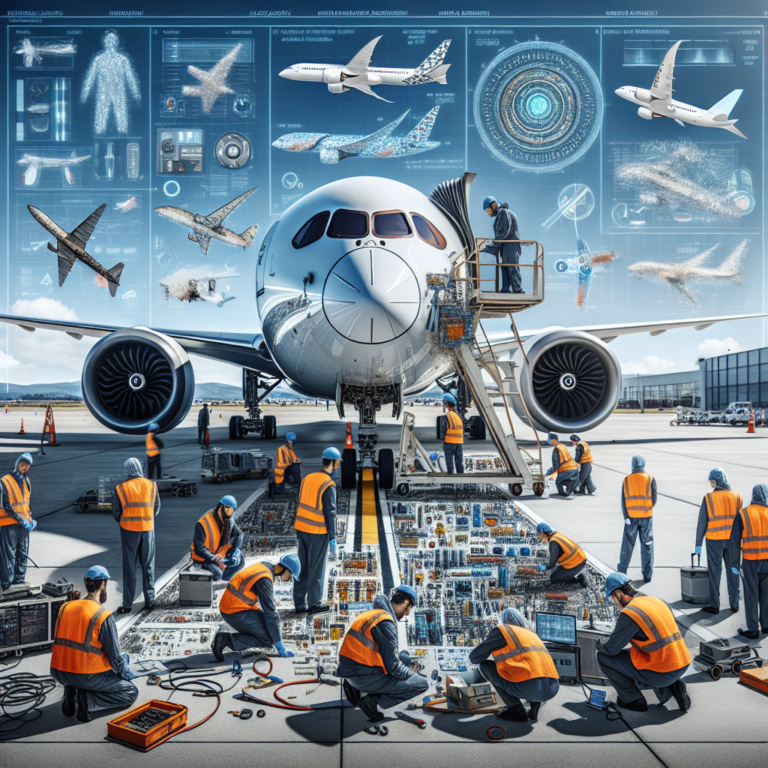
Boeing to Produce New 737 MAX 10 at World’s Largest Factory

Boeing Revives Operations at Everett Factory to Produce the 737 MAX 10
SEATTLE – In a significant move for the aerospace industry, Boeing is set to revive operations at its renowned Everett factory by launching production of the 737 MAX 10, the largest model in the 737 narrow-body series. This strategic decision aims to alleviate capacity constraints and position Boeing for future growth in single-aisle aircraft manufacturing, as reported by the Seattle Times.
Boeing 737 MAX 10 Production Plans
Boeing is establishing a fourth production line dedicated solely to the 737 MAX 10 at its Everett, Washington facility. This aircraft, known for being the longest and most technically advanced in the 737 MAX family, boasts unique design features, including an innovative extendable landing gear designed to prevent tail strikes during ground operations.
The Everett facility, previously associated with the iconic 747 and the 787 Dreamliner programs, is poised for a new chapter. This change follows Boeing’s recent decision to shift 787 production to Charleston and conclude its 747 assembly line. By focusing on the 737 MAX 10 in Everett, Boeing can maintain high-volume assembly of other 737 variants at its Renton plant.
The new assembly line is strategically planned to be located east of the expansive Everett structure, adjacent to the existing production areas for the 767 freighter and KC-46 military tanker.
Addressing Production Limitations
Before commencing production in Everett, Boeing must resolve current output limitations at its Renton facility, which is currently restricted to 38 aircraft per month by the Federal Aviation Administration (FAA). The company is actively working to demonstrate compliance with regulatory standards, especially in light of a recent incident involving an Alaska Airlines 737 MAX 9.
Once Boeing satisfies FAA requirements, the company intends to gradually increase Renton’s production rate, targeting 42 jets per month initially, followed by 47 jets. While there is no specific public deadline, this expansion is projected to achieve full operational capacity by 2026.
Certification Status of the MAX 10 and MAX 7
A crucial challenge facing Boeing is the certification of both the 737 MAX 10 and its counterpart, the 737 MAX 7. The company anticipates receiving FAA approval for both aircraft by the end of this year. Without this certification, Boeing cannot deliver the aircraft to customers or initiate large-scale production.
The MAX 10 program has experienced delays due to regulatory scrutiny and necessary design changes. By relocating assembly to Everett, Boeing aims to streamline production processes while meeting the growing demand from airlines for longer, more efficient narrow-body jets.
This strategic relocation also maximizes the use of Everett’s extensive infrastructure, which was once the largest aircraft assembly site globally. By situating the 737 MAX 10 line near the 777 and 767/KC-46 production areas, Boeing can optimize logistics, workforce management, and parts flow across its various programs, supporting long-term production goals while keeping the Everett facility operationally relevant.
As Boeing embarks on this new chapter in aircraft manufacturing, the aerospace giant is poised to meet the evolving demands of the aviation industry.
If you have thoughts about Boeing’s production plans or want to learn more about the latest developments in aerospace, feel free to share your comments below or explore related articles on our website.