American Airlines’ New 787-9 Crew Changes Spark Union Controversy

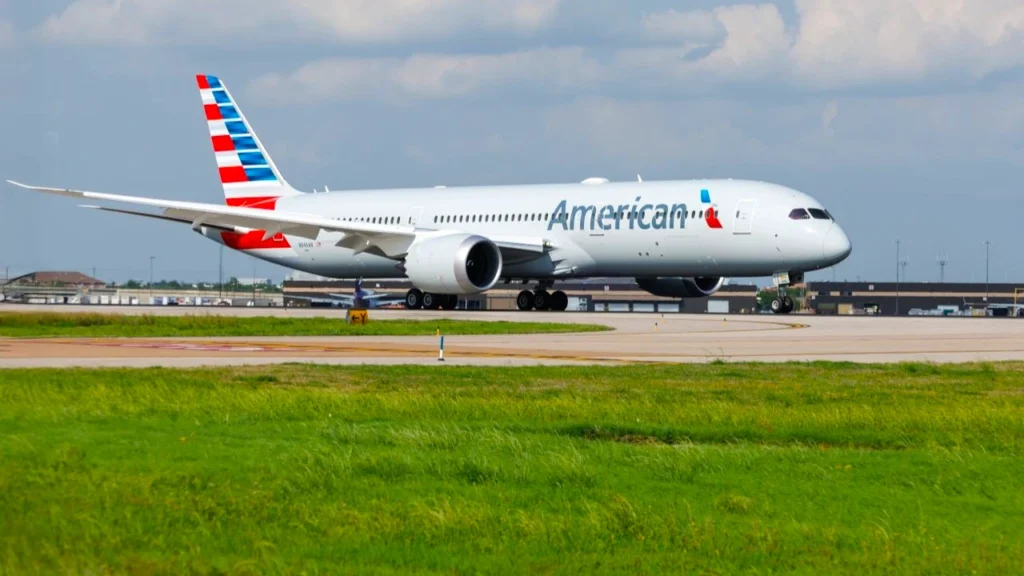
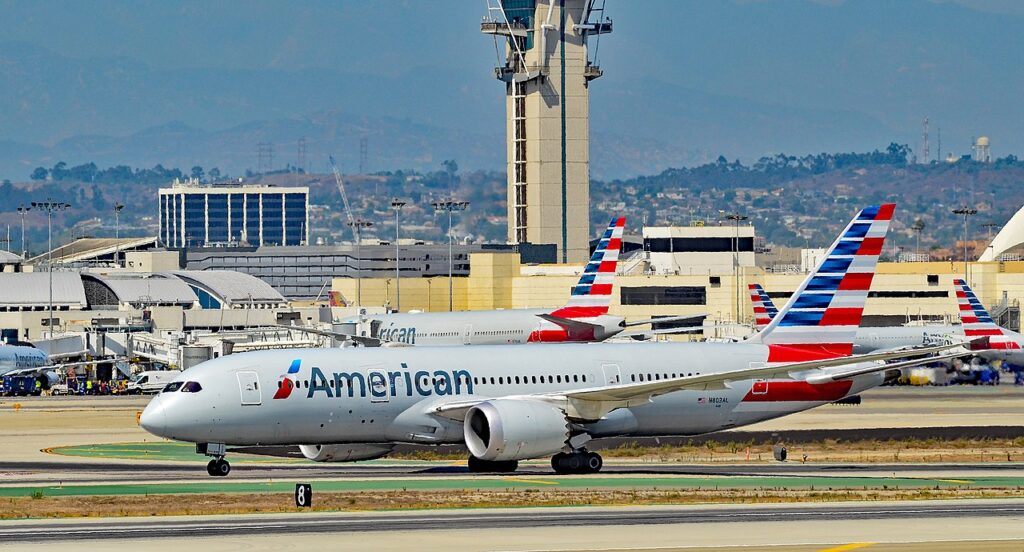
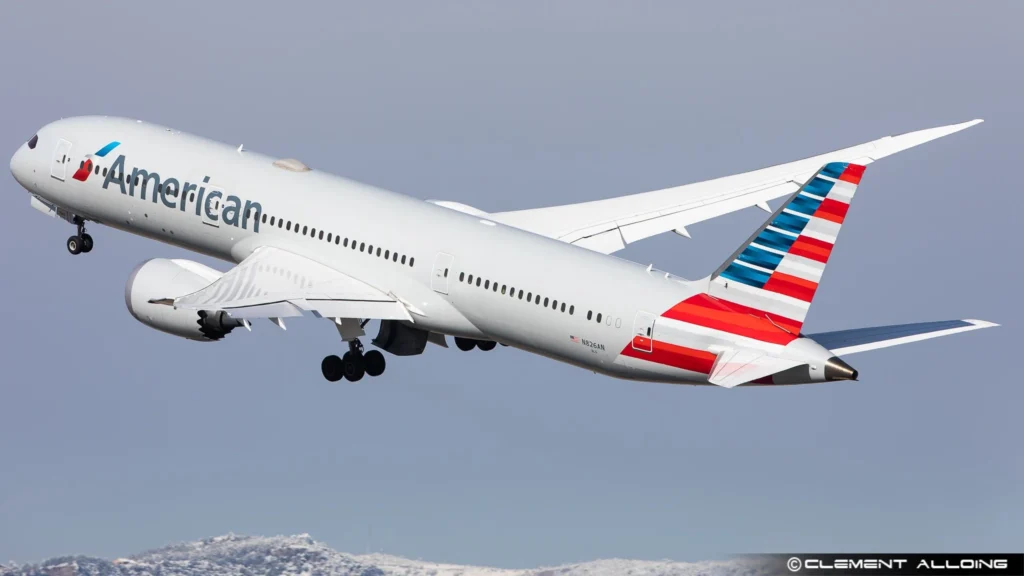
FORT WORTH- American Airlines (AA) has received the green light from the Federal Aviation Administration (FAA) to operate its newly modified Boeing 787-9P Dreamliners with only seven flight attendants on board.
This decision has sparked significant backlash from representatives within the cabin crew. Major hubs, including the Dallas/Fort Worth International Airport (DFW), are particularly affected.
The Association of Professional Flight Attendants (APFA) contends that this staffing reduction jeopardizes essential evacuation protocols, urging FAA Administrator Bryan Bedford to reassess this decision, which cabin crew members argue heightens risks for both passengers and crew.
FAA Approval for American Airlines’ Reduced Crew
On June 26, 2025, the FAA authorized American Airlines to decrease the minimum number of flight attendants on the Boeing 787-9P from eight to seven.
The aircraft is equipped with eight emergency exits, leaving one exit potentially unattended during emergencies.
According to flight attendants, represented by APFA, this situation undermines a long-established industry standard of maintaining one crew member per exit.
The APFA highlighted that a flight attendant stationed in the rear Economy section may have responsibility for two exits, raising concerns about potential delays in evacuations, especially if that attendant is incapacitated.
In a letter dated July 23, 2025, to Administrator Bedford, the APFA laid out three main concerns:
- An unattended exit could render two openings unavailable during an emergency.
- Physical obstructions might impede quick access to both exits.
- A sole attendant would struggle to manage a critical security situation in the rear cabin.
Despite these reservations, American Airlines now has the authority to operate the 787-9P with just seven crew members, particularly in instances of last-minute health-related absences, thus avoiding delays or cancellations.
Comparative Analysis with Other Airlines
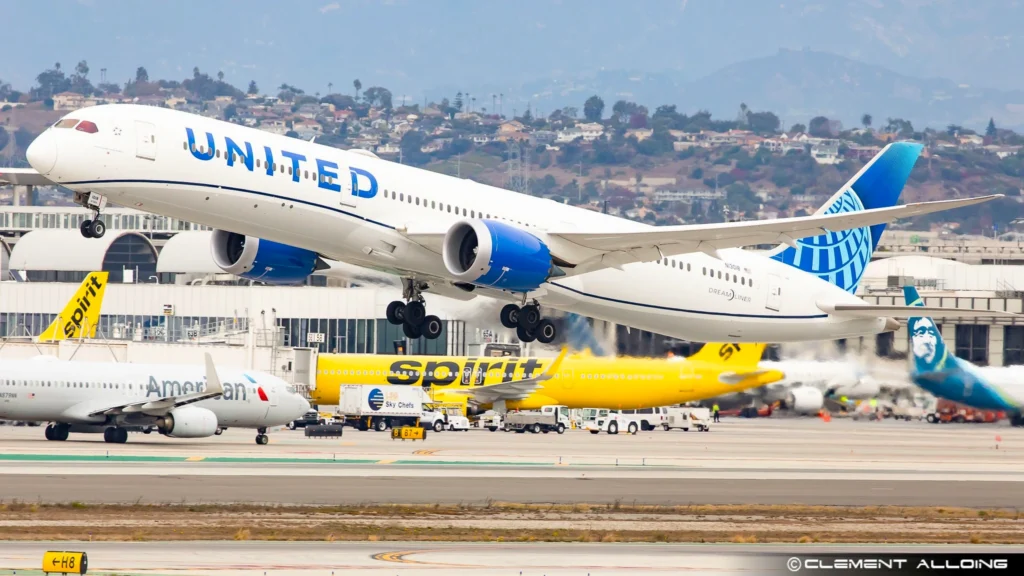
American Airlines is not alone in this approach. United Airlines (UA) operates its 787 fleet, including the larger 787-10, with just seven crew members. Delta Air Lines (DL) has received permission to operate its Airbus A330 widebodies with a minimum of six crew members, influencing the FAA’s decision regarding American Airlines.
Globally, different regulatory bodies, like the European Union Aviation Safety Agency (EASA), maintain various crew-to-passenger ratios. For instance, in Europe, a Boeing 787 might be certified to fly with only six cabin crew members, contingent on seating configurations and operational criteria.
However, these minimums represent legal thresholds rather than operational practices. Most international airlines typically assign extra staff to bolster both service and safety, especially on long-haul flights.
Historical Standards for Door Staffing on Widebodies
In the U.S., airlines have generally maintained a practice of assigning a dedicated flight attendant to each emergency exit on widebody aircraft since the 1970s.
The COVID-19 pandemic led many airlines to re-evaluate their staffing needs, resulting in lower minimums. While service levels have yet to return to pre-pandemic standards, the APFA argues that safety protocols should not be compromised.
Referencing nearly 150 emergency evacuations worldwide in the last five years, the APFA emphasizes that trained personnel are crucial for meeting the required 90-second evacuation timeline.
DARED Principles
The Boeing 787 features numerous modern safety enhancements, including 16G-rated seating and flame-retardant materials. Nonetheless, these advancements do not substitute for the situational judgment provided by flight attendants during emergencies.
Boeing’s research has led to the establishment of the DARED principles, five essential actions that flight attendants should perform to facilitate safe evacuations:
- Dedicated Assist Space: Managing passenger flow and slide deployment.
- Assertiveness: Delivering clear commands.
- Redirect: Guiding passengers toward safer exits.
- Exit Bypass: Preventing traffic buildup effectively.
- Dried Up Exit: Utilizing less frequented exits to optimize flow.
In the absence of a flight attendant, these crucial responsibilities may fall to untrained and potentially panicked passengers, which could jeopardize safety.
FAA Oversight and Accountability
The 2024 FAA Reauthorization Act includes a provision calling for a study on contemporary evacuation standards. However, the APFA argues that the recent crew reduction for the 787-9P was approved without comprehensive evacuation testing that simulates real-life conditions.
Concerns have arisen regarding the testing protocols, often failing to account for the presence of elderly passengers or those with mobility challenges, leading experts and legislators to question the integrity of the current certification processes.
Industry Concerns and Legislative Attention
The APFA has urged the FAA to revert to maintaining one flight attendant per emergency exit in all dual-aisle aircraft.
With bipartisan support for enhancing aviation safety and increasing scrutiny on decisions made during Administrator Bedford’s tenure, this issue may gain significant visibility in Congress.
Union President Julie Hedrick emphasized, “Safety must be proactive, not reactive.” The union firmly believes that reducing crew sizes—leading to unattended emergency exits—is a troubling regression in passenger safety.
What are your thoughts on the importance of maintaining adequate crew levels for safety on flights?