US Air Force Chief Announces Early Retirement: What It Means for the Future

WASHINGTON- Gen. David Allvin, the Air Force’s chief of staff, will conclude his tenure in November 2025, marking a brief service of just two years in a role typically held for four. This early retirement is less common and somewhat surprising within Air Force history.
The Air Force has confirmed that Allvin will continue to serve until a successor is appointed and confirmed, ensuring a seamless transition in leadership. His decision reflects rare instances in recent years where leaders have stepped down ahead of schedule.
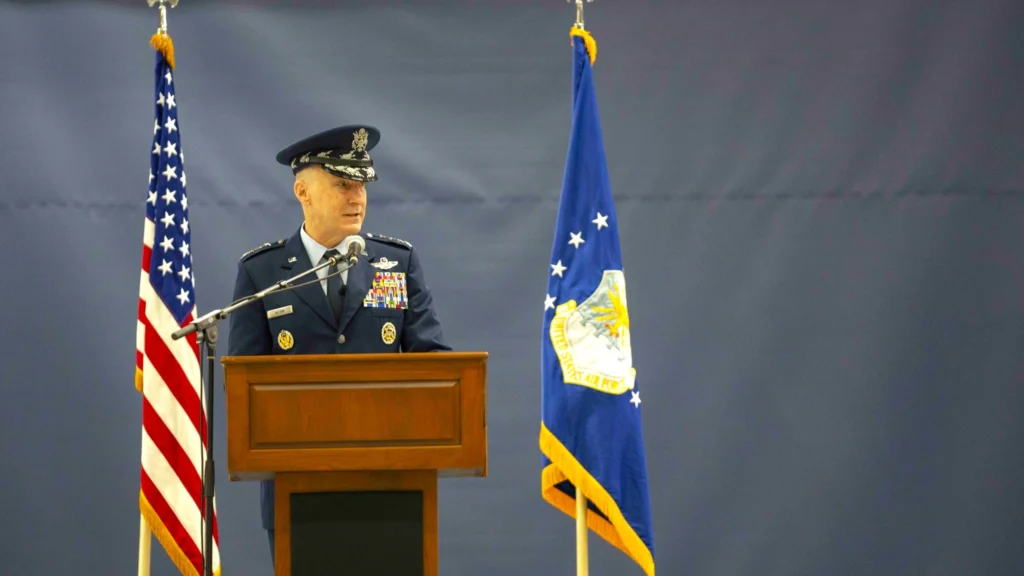
Air Force Chief Retiring
Assuming his position as the 23rd Air Force chief of staff in 2023, Allvin has had a distinguished career as a mobility pilot and strategist. His early exit signifies notable changes for a service where stability in top leadership is vital for ongoing modernization and strategic objectives.
Typically, chiefs of staff serve four-year terms; the last significant exception was Gen. CQ Brown, who departed early to take on the role of chairman of the Joint Chiefs of Staff.
Although the Air Force has not publicly shared the reasons behind Allvin’s decision, he will remain in his position until a successor is confirmed by the Senate.
In his farewell statement, Allvin expressed appreciation to Secretary of the Air Force Troy Meink, Defense Secretary Pete Hegseth, and President Trump, highlighting his pride in leading airmen dedicated to the service’s core values.
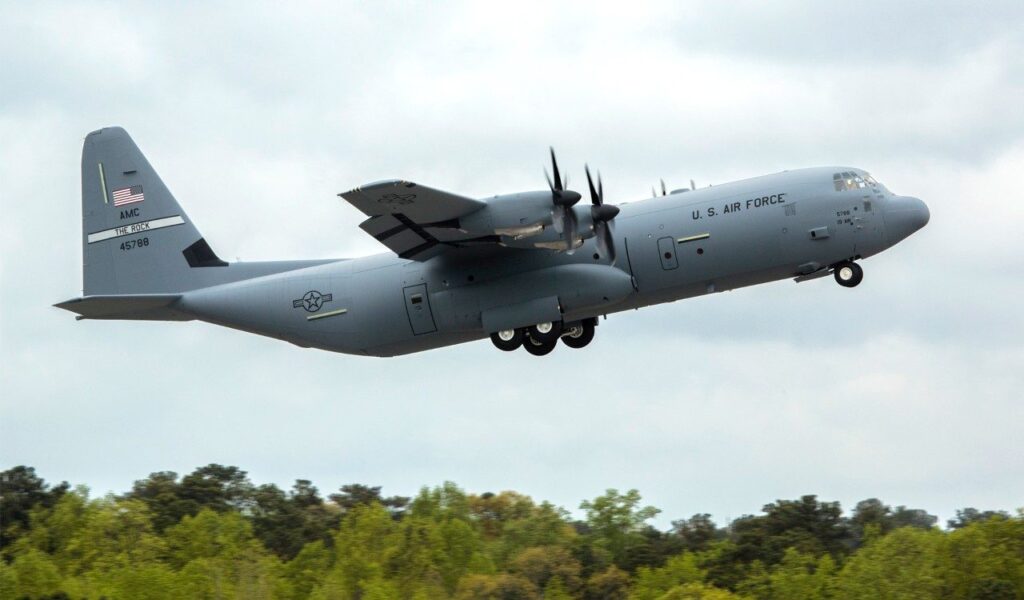
Career and Contributions
Commissioned in 1986 from the U.S. Air Force Academy, Allvin built an extensive career flying aircraft like the C-17 Globemaster III, C-130 Hercules, and KC-135 Stratotanker, while also stepping into strategic leadership roles. Before becoming the chief of staff, he served as vice chief, managing critical operations and planning.
During his leadership, Allvin focused on modernization initiatives aimed at preparing the Air Force for prospective conflicts, notably with China.
In early 2024, he proposed structural reforms to enhance agility and responsiveness within the Air Force, although these efforts were later put on hold by Defense Secretary Hegseth under the second Trump administration.
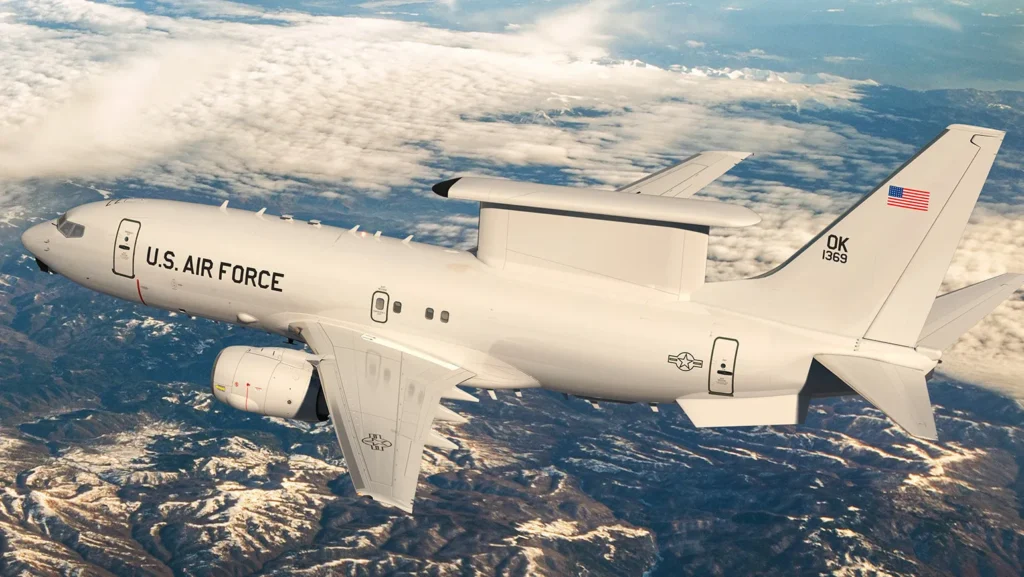
Diverging Views on Air Power
The future direction of air power may have influenced the conditions surrounding Allvin’s tenure. Recently, he emphasized in Congressional testimony that existing satellite technology is not yet adequate to completely replace airborne surveillance systems.
In contrast, Hegseth has advocated for a stronger emphasis on emerging space-based capabilities, raising concerns over investments in aircraft like the Boeing E-7 Wedgetail.
Budget documents from June 2025 confirmed the Pentagon’s decision to cancel E-7 procurement, opting instead for additional Northrop Grumman E-2D Hawkeye aircraft, alongside an expansion of satellite reconnaissance capabilities.
This adjustment highlights the growing divide between traditional aircraft and innovative space technologies that will define the future of the Air Force.
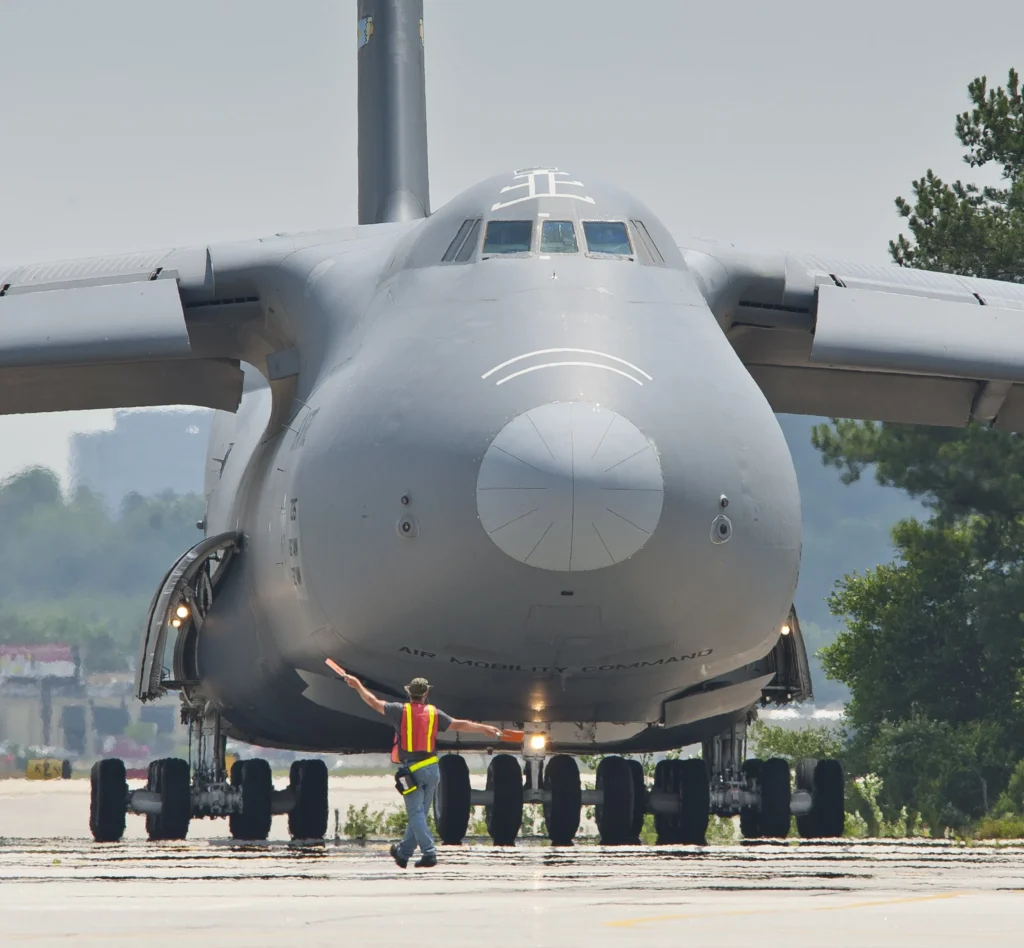
Bottom Line
Allvin’s early retirement is indeed unusual, but it has precedence. Gen. Michael Moseley stepped down in 2008 amid controversies, while Gen. Brown left after a shorter term to take on a higher military position.
Allvin’s decision to retire two years before the usual term aligns him with a select group of chiefs who have not served the full term, underscoring the shifting political and strategic pressures influencing this role.
Are you surprised by the early retirement of Gen. Allvin? What do you think this means for the future of the Air Force?