Dubai Airport to Simplify Security Regulations for Liquids and Laptops

DUBAI- Travelers at Dubai International Airport (DXB) will soon be able to pass through security without having to remove liquids exceeding 100ml or laptops from their carry-on bags. This enhancement follows successful trials of advanced scanning technologies.
As one of the busiest airports globally, Dubai International is aligning itself with contemporary global aviation practices. Airlines like Emirates (EK) operating from DXB will experience reduced wait times and improved security efficiency.

New Security Rules at Dubai Airport
Advanced scanners provided by Smiths Detection, a UK firm, are currently being tested in Terminals 1, 2, and 3 under the Dubai Aviation Engineering Projects (DAEP).
Paul Griffiths, CEO of Dubai Airports, confirmed that this equipment allows passengers to retain both liquids and electronics in their bags during screening, reducing hassle.
This new system emulates successful methods implemented in various European airports. Utilizing advanced 3D scanning technology aims to enhance accuracy, mitigate false alarms, and boost overall efficiency.
Griffiths also pointed out that these advancements are essential, especially as DXB has experienced a 20% growth in passenger numbers over the past decade without considerable infrastructure expansion.
Growth in Passenger Numbers
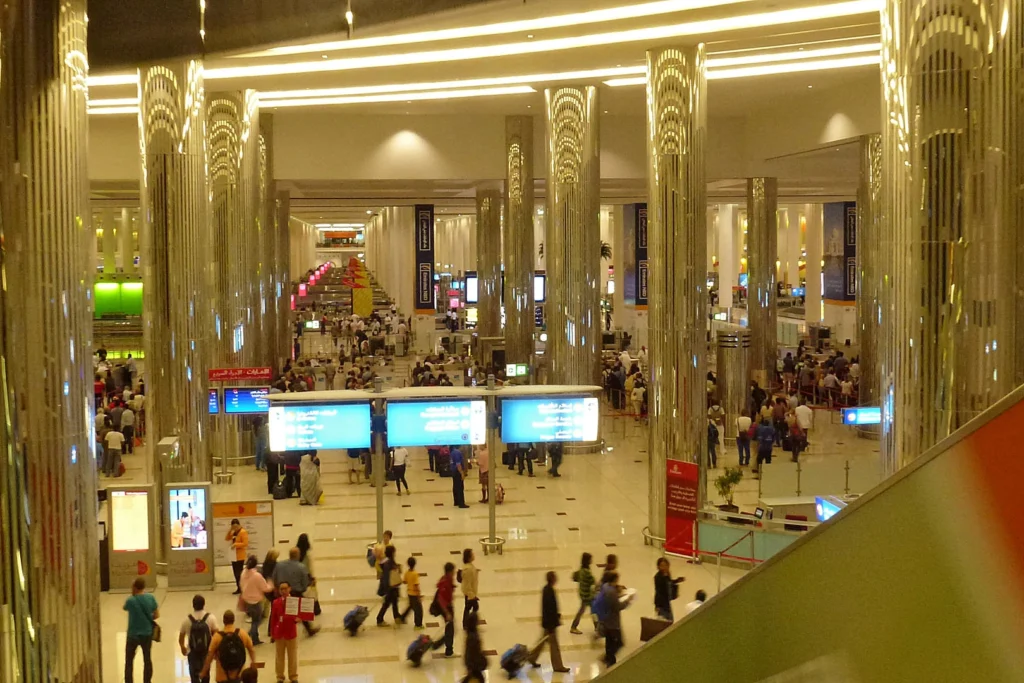
In the first half of 2025, Dubai International Airport (DXB) recorded 46 million travelers, marking a 2.3% increase compared to the previous year. Between April and June, 22.5 million passengers utilized the airport, reflecting a 3.1% rise.
Airport officials understand that requiring passengers to remove laptops and liquids is often a significant inconvenience. By optimizing this procedure, they seek to enhance passenger satisfaction while adhering to necessary safety protocols.
Additionally, the machinery used for screening checked luggage is being upgraded to enhance security measures.
Initial trials of the updated technology have produced “very successful” results, demonstrating quicker processing times and consistent reliability.
Griffiths emphasized the importance of absolute security through enhanced screening, as well as improving efficiency in passenger flow. Both objectives have been achieved in the tests, fostering confidence in a comprehensive implementation.
Anticipated Rollout Timeline
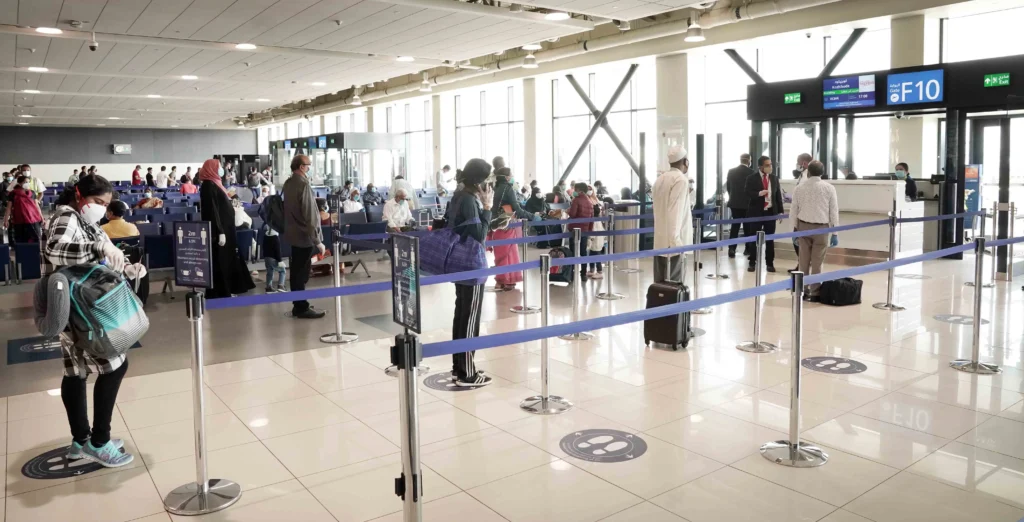
While there is no specific date set, Griffiths hinted that positive developments could enable the implementation of these regulations soon, enhancing the experience for travelers and airport personnel alike.
The full implementation relies on the installation and delivery timelines of the machinery currently in trial phases.
Similar systems are being adopted at other international airports, reflecting a growing trend toward making security checks more passenger-friendly.
Dubai aims to create a nearly seamless travel experience where guests spend less time waiting in lines and more time enjoying the amenities, shops, and lounges available at the airport.
Wider Aviation Investments
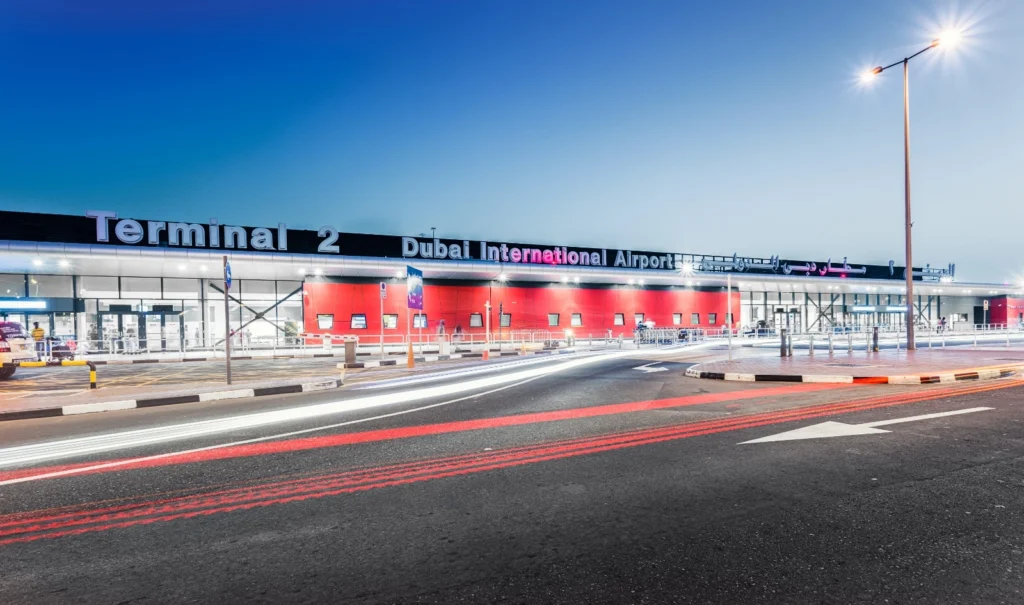
The UAE is committed to ongoing investments in cutting-edge aviation technology. At Zayed International Airport (AUH) in Abu Dhabi, a biometric check-in system enables swift security clearance. The newly implemented rules at Dubai Airport will further expedite the boarding process for travelers.
These advancements underscore the nation’s dedication to enhancing its competitiveness in the global aviation market.
What are your thoughts on these forthcoming changes at Dubai International Airport?