Delta A321 Pilot’s Humorous Exchange with NYC ATC Controller

NEW YORK- A recent incident at New York LaGuardia Airport (LGA) on July 30, 2025, revealed tension between a Delta Air Lines pilot and a ground controller, exacerbated by weather-induced delays. The controller’s dismissive attitude led to an outspoken reaction from the Delta crew, capturing significant attention.
As thunderstorms delayed flights, pilots, including those from United Airlines and Delta Air Lines, sought guidance from air traffic control (ATC). The reaction they received sparked widespread discussion, with many noting the unprofessional interactions.
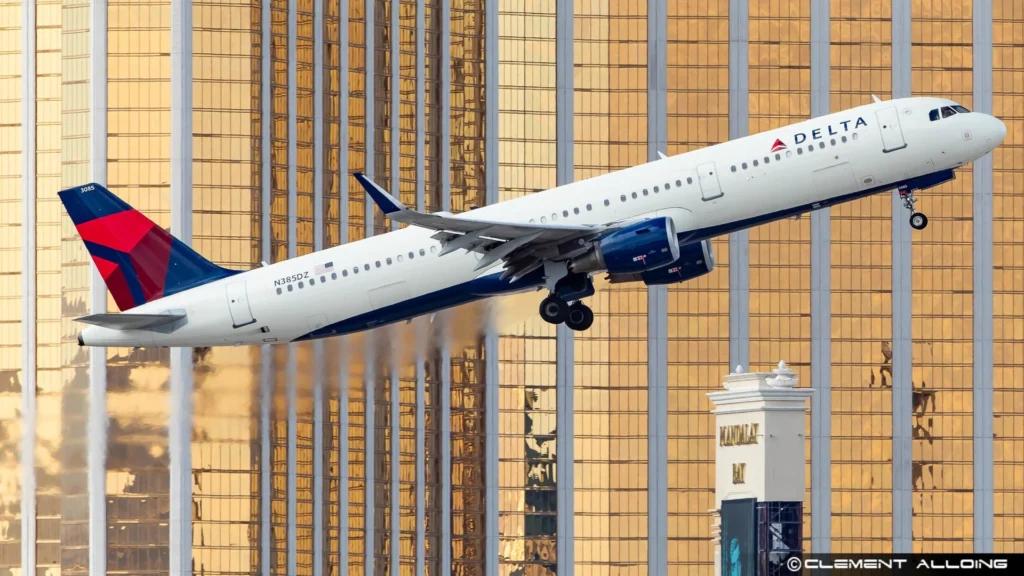
Delta Pilot Calls Controller an Idiot
The operational situation at LaGuardia escalated due to a weather-related ground halt triggered by thunderstorms around 5 PM. With multiple aircraft queued, pilots faced the challenge of obtaining precise information to manage fuel and communicate with their teams.
One United Airlines flight en route to Chicago O’Hare sought an update. The vague response—“from now till midnight”—was far from helpful. When the pilot raised concerns about fuel, the controller retorted, “Fuel management is your priority, not mine.”
Following this, Delta Air Lines flight DL999 to Detroit requested clarity on its departure position. Once again, the controller provided an unsatisfactory answer. When pressed further by the Delta pilot regarding fuel management, tensions flared and the pilot referred to the controller as an “idiot.” The exchange led the controller to give a phone number for further follow-up.
Ultimately, DL999 returned to the gate after an hour, departing nearly six hours late.
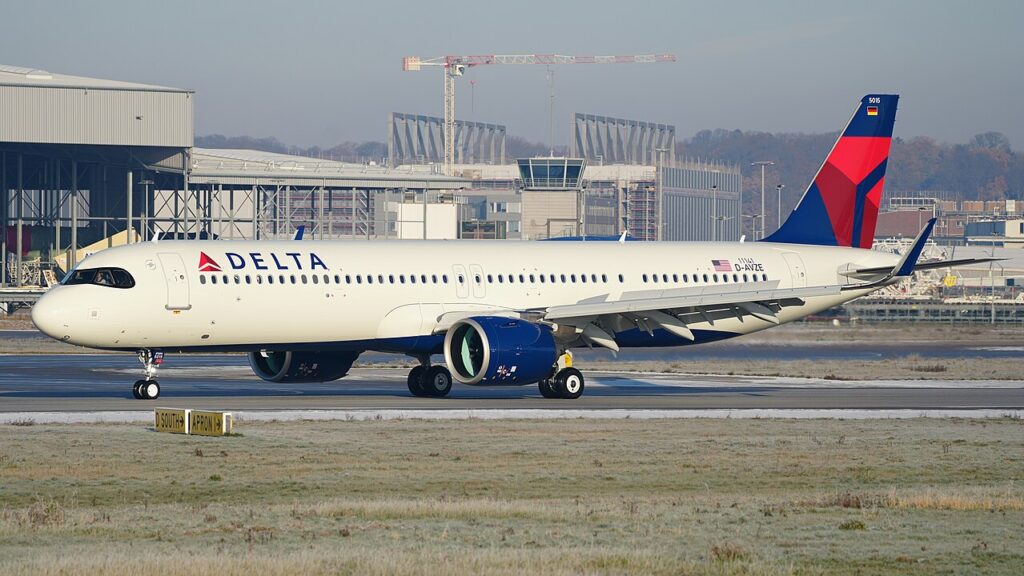
Controller Conduct vs. Pilot Response
The FAA emphasizes professionalism from both pilots and controllers. While most air traffic controllers maintain composure in high-pressure situations, this event highlighted a lapse in essential communication practices.
The controller’s curt and dismissive responses failed to provide operational guidance. The lack of clarity intensified frustrations among the pilots, leading to a breakdown in communication during an already tense situation.
Although the pilot’s remark was unprofessional, it stemmed from valid operational pressures. Clear communication is vital for pilots to manage fuel and passenger safety; the pilot’s insistence on escalating the issue shows a commitment to accountability within ATC.
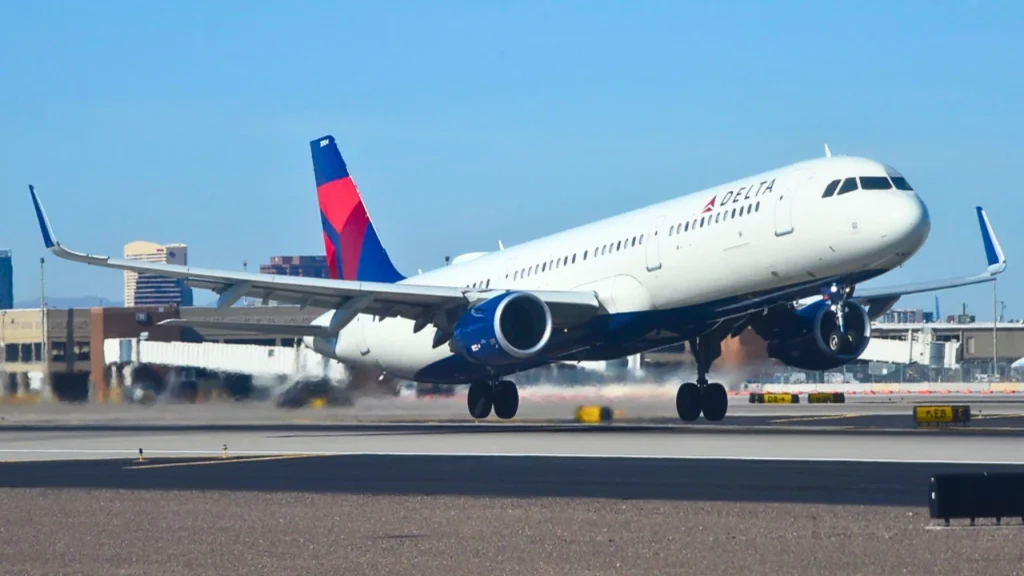
Lessons and Operational Implications
This incident serves as a reminder of the importance of mutual respect between pilots and air traffic control during disruptions. Weather delays are inevitable, but how they’re managed can significantly impact flight safety and passenger satisfaction.
Pilots are trained to prioritize fuel management and communication, while controllers are expected to provide information transparently, even in uncertain situations. The exchange between DL999 and the LaGuardia controller reveals that professionalism and effective communication are crucial in aviation.
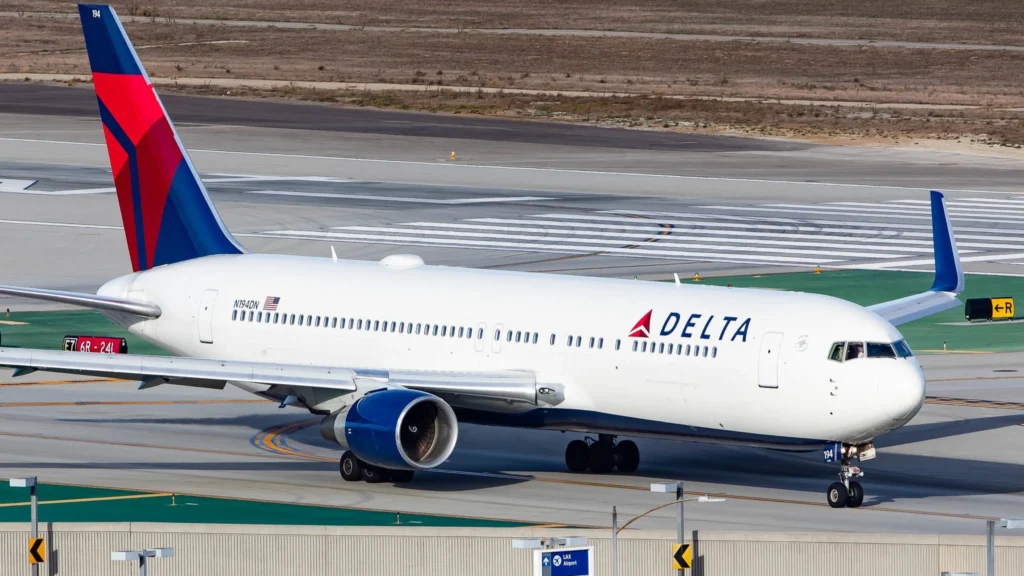
Similar Incident
An earlier incident involved a Delta Air Lines Boeing 767-300 operating flight DL938 from Los Angeles to New York. On July 21, 2025, this flight nearly encountered a go-around due to dangerously close spacing with another aircraft during approach.
The Delta crew and JFK tower controllers criticized the approach controller for poor speed management, leading to a tense situation as they approached the runway.
Close Call on Final
While approaching JFK for runway 22L, Delta flight DL938 was vectored too close to a slower aircraft. This situation prompted the JFK tower to inform the crew of a potential go-around due to reduced spacing.
The approach controller failed to issue timely speed adjustments, escalating the risk in a busy airspace. Fortunately, the Delta crew acted swiftly, maintaining safety even as both aircraft landed without incident. Nevertheless, this incident sparked immediate concern about air traffic protocols.
JFK tower controllers expressed frustration over the poor coordination, leading to discussions about necessary changes to improve safety during peak operations.
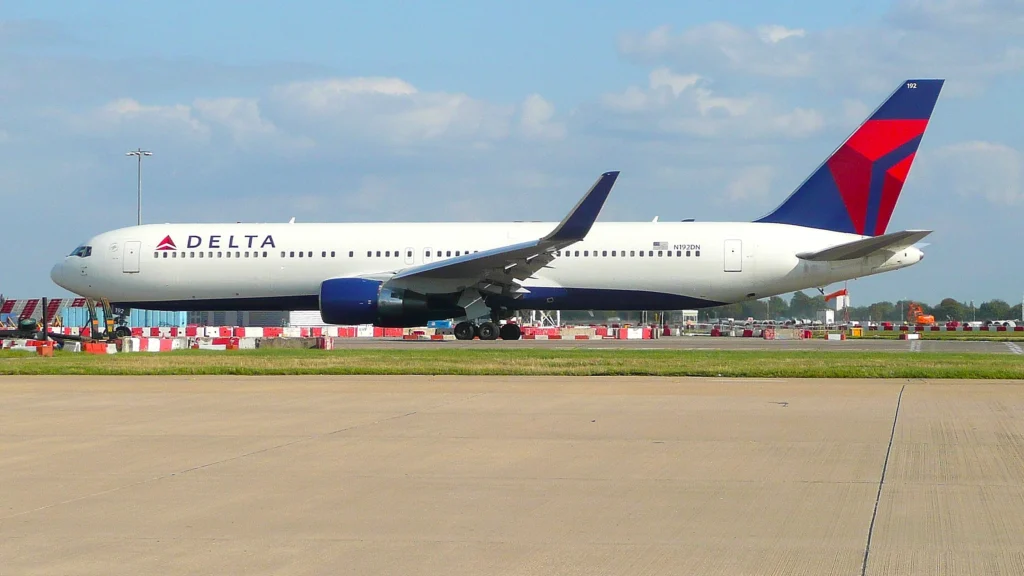
Tensions Rise Among Air Traffic Controllers
After landing, the JFK tower controller expressed frustration on the radio, stating: “If the approach control actually knew how to assign speeds… we probably would not be on YouTube every week.” This remark highlighted deeper discontent within the ATC community regarding communication failures.
The exchange illuminated persistent issues between tower and approach sectors within busy airspace, urging a reassessment of coordination protocols to minimize such operational challenges.
Pilot Response and Situational Awareness
Despite the stressful circumstances, the Delta pilot made efficient decisions, promptly adjusting speed to maintain awareness of nearby traffic. These proactive actions prevented a go-around, preserving both safety and operational fluidity. However, the necessity for timely coordination suggests underlying systematic issues that require attention.
Systemic Issues at Congested Airports
This incident accentuates the challenges faced in managing air traffic at major U.S. airports like JFK. As flight numbers rise, even minor ATC errors can lead to critical safety concerns.
Clear, ongoing communication between tower and approach is crucial for maintaining safe operations. As aviation authorities review these incidents, they are likely to focus on enhancing controller training and procedural standards to improve overall air traffic management.
What are your thoughts on how air traffic communication can be improved during heavy weather conditions?