Emerging Global Aerospace Hub: The World’s Fastest-Growing Aviation Nation

India is emerging as a crucial player in the international aerospace sector. The country is witnessing an increasing number of global companies sourcing parts locally, which is significantly contributing to the rapid growth of domestic manufacturers.
This expansion is evident through robust order volumes and increased revenues. The aerospace industry is also planning to secure around ₹5,700 crores via upcoming initial public offerings (IPOs), drawing strong investor interest amid a thriving equity market.
While sectors like textiles and auto parts are hindered by high U.S. import tariffs, aerospace components benefit from lower tariffs of only 25%, giving Indian suppliers a competitive edge.
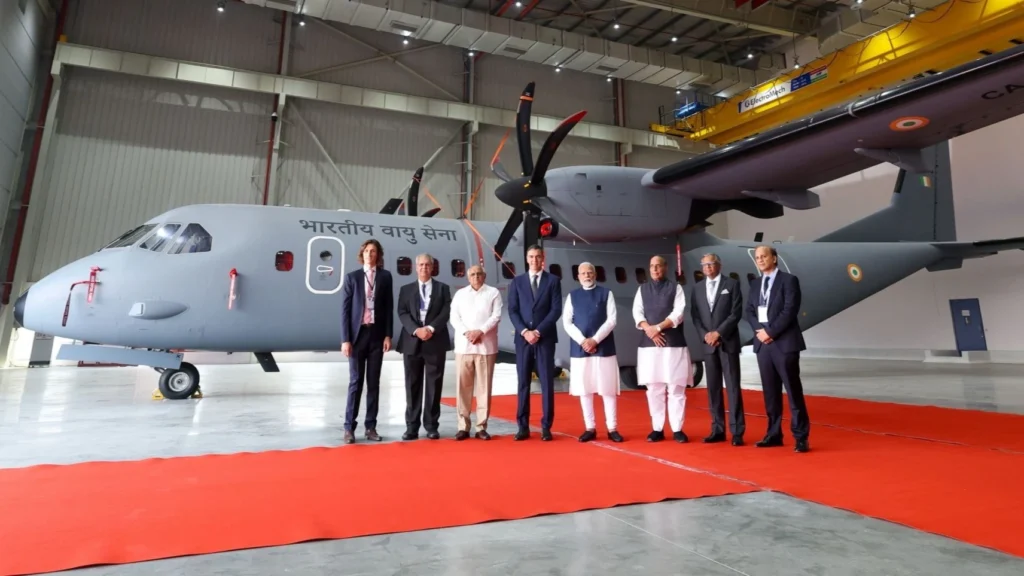
India’s Role as a Global Aerospace Hub
Aravind Melligeri, CEO of Belgaum-based Aequs, notes that tariffs are not a significant barrier for the industry:
“We are a critical part of our customer supply chain… It takes years for customers to switch suppliers. Paying tariffs is not a material issue.”
Aequs, which serves clients like Airbus and Boeing, generated 89% of its ₹925 crore revenue from aerospace components in FY25. This demonstrates the sector’s swift ascent; Boeing now sources over $1 billion worth of components from India annually, a notable rise from $250 million a decade ago.
Airbus intends to source $2 billion by 2030. Furthermore, Hyderabad-based Azad Engineering, which supplies firms such as Honeywell and Rolls-Royce, witnessed an impressive 84% growth in aerospace and defense revenue in FY25. Following its listing in December 2023, the company’s stock surged by 215%.
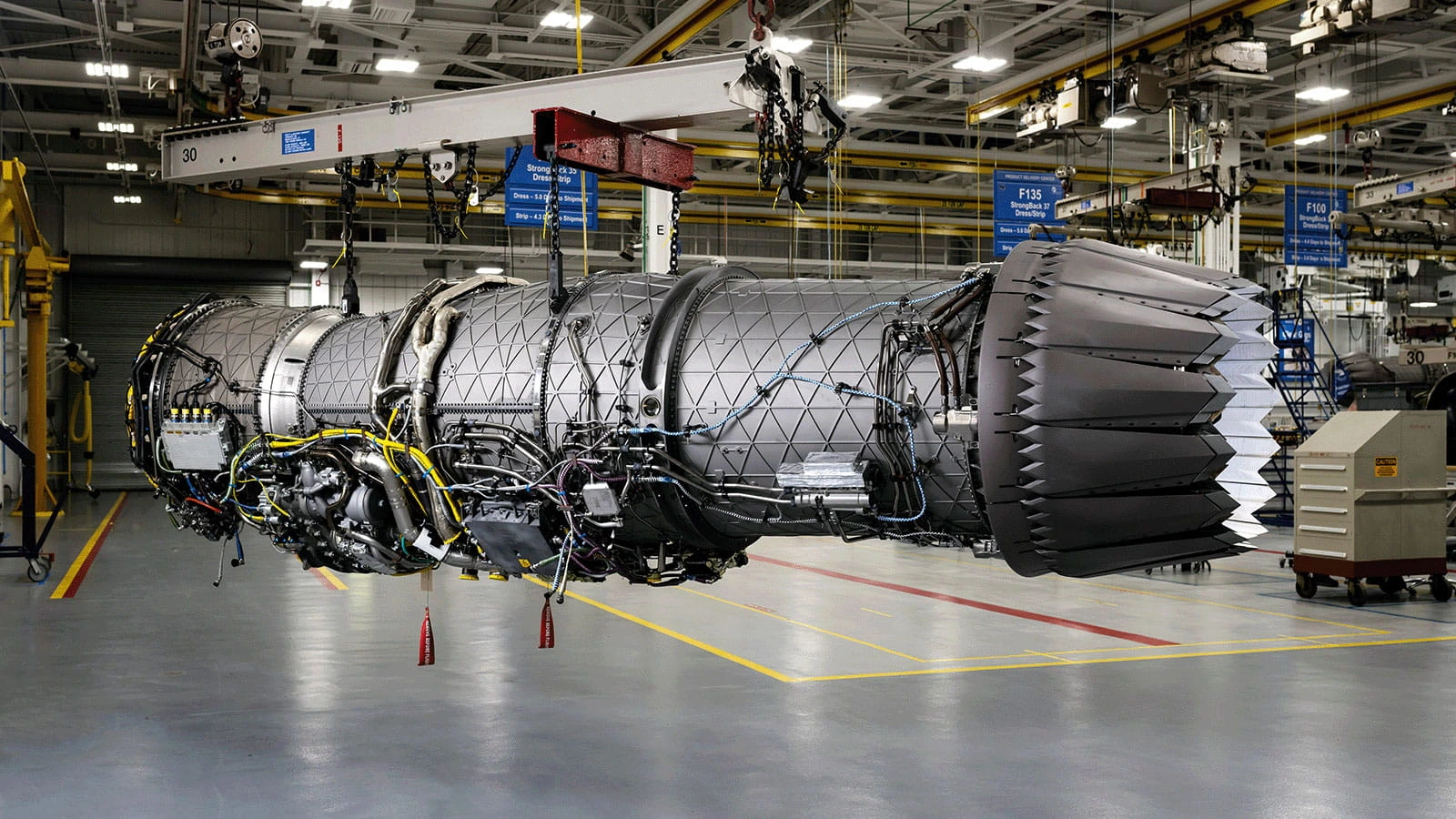
Expanding Manufacturing Capabilities
Azad Engineering’s chairman, Rakesh Chopdar, highlights the importance of reliability in gaining the trust of major aerospace firms:
“Earning the trust of an OEM requires years of consistent performance, precision, and reliability.”
Azad now holds an order book worth ₹1,700 crores, surpassing its annual sales by over 20 times, and is investing in a new facility in Tuniki Bollaram, Telangana. Similarly, firms like Unimech Aerospace are opting for growth through acquisitions and partnerships, both domestically and internationally.
India is also stepping up its production of complex components. The variety of SKUs delivered by local manufacturers has shown consistent improvement, reflecting advancements in quality and complexity.
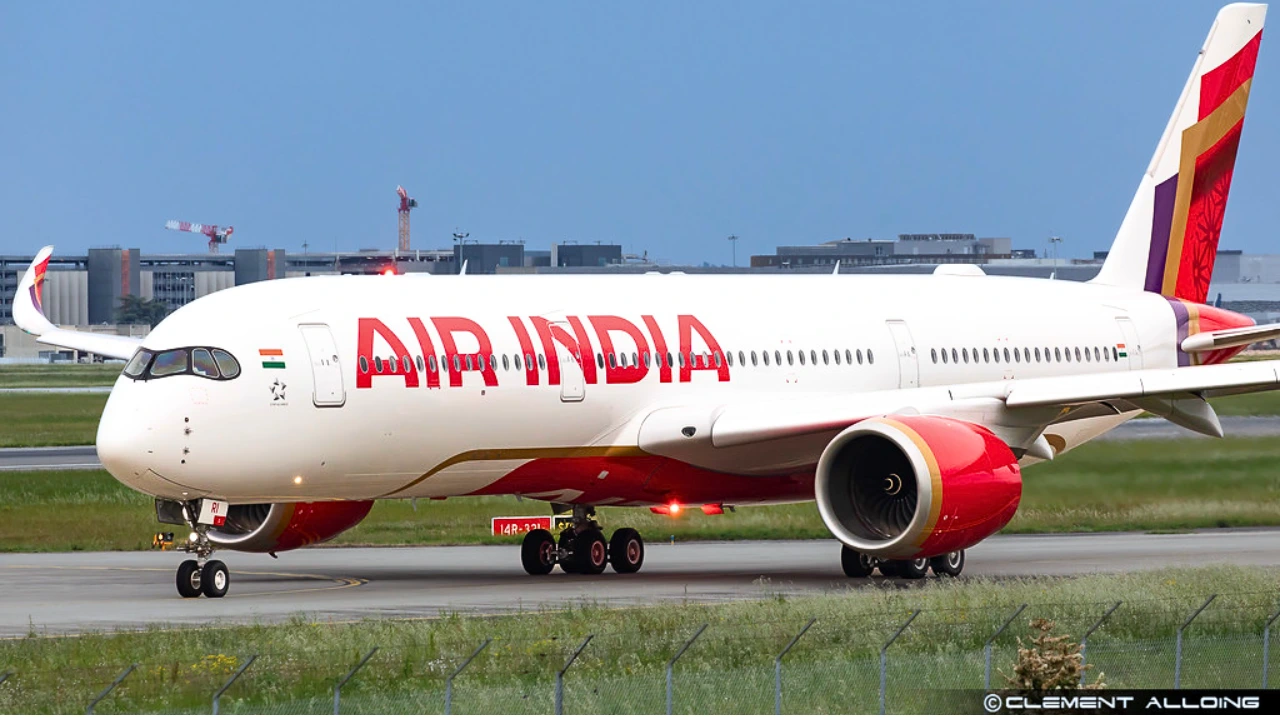
Future Outlook
Despite being a leading aircraft buyer, India currently accounts for only 2% of the global aerospace supply chain. However, this figure is anticipated to escalate to 10% in the near future.
Melligeri elucidates:
“India is becoming a large aviation market. Global companies are aware of where the demand lies, and they need to source components locally.”
With ongoing investments, skill enhancement, and strategic alliances, India is poised to take on a more prominent role in the aerospace sector over the next decade.

The Bottom Line
India’s aerospace component sector is experiencing rapid growth, demonstrating its ability to support global aircraft manufacturers.
Firms like Aequs and Azad Engineering are scaling up production, securing investment, and enhancing facilities, proving the country can manage intricate, high-stakes aerospace projects.
With increasing demand, robust investor interest, and strategic collaborations, India is on track to become a key player in the global aerospace supply chain in the years to come.
What are your thoughts on India’s evolving role in the aerospace industry?