Boeing’s World-Record Widebody Aircraft Leads to $4.9 Billion Loss

SEATTLE- Boeing has recently announced yet another delay in the launch of its much-anticipated 777X widebody aircraft. The company has shifted the timeline for the first deliveries to 2027, which has negatively impacted its quarterly financial results, now compounded by a hefty $4.9 billion charge against the program.
This marks the sixth significant setback for the 777X since its inception, primarily due to ongoing operational challenges and regulatory hurdles facing Boeing. The slow progress toward Federal Aviation Administration (FAA) certification and persistent production issues were cited as primary factors for this revised schedule.
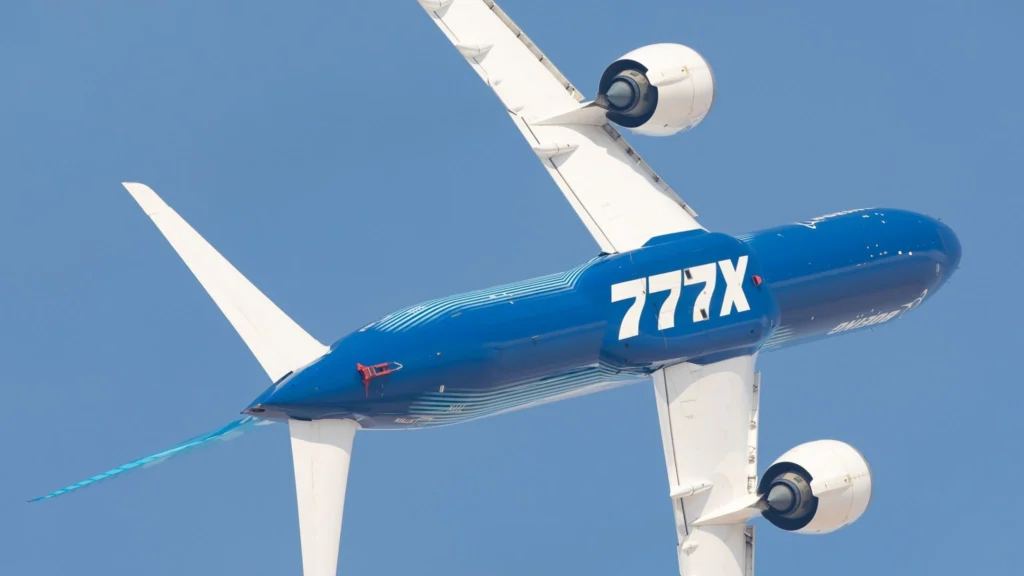
Boeing Faces $4.9 Billion Loss
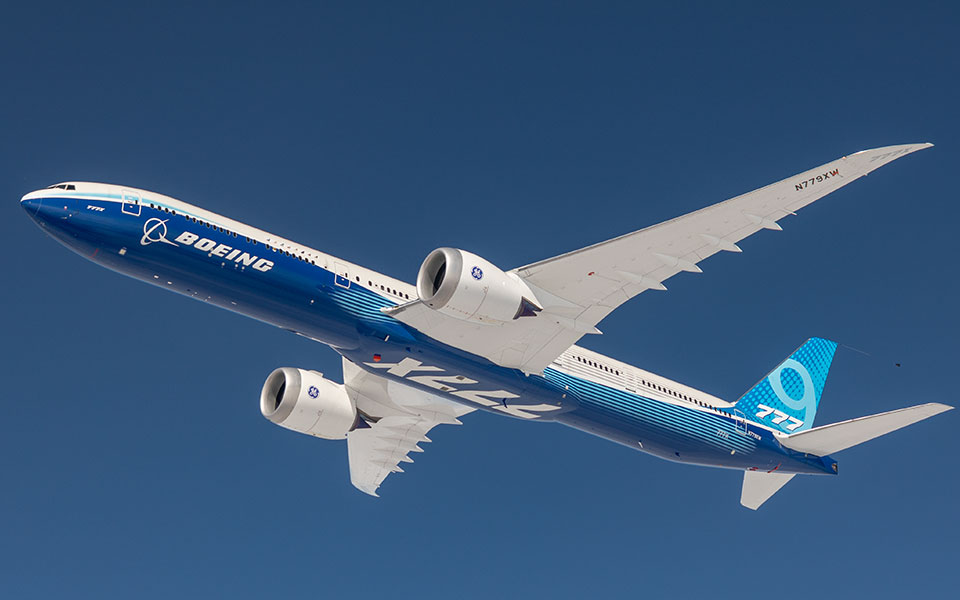
Initially unveiled in 2013, the Boeing 777X was anticipated to be a next-generation upgrade following the successful 777 series. It boasts advanced composite wings with folding wingtips, powerful GE9X engines, and a spacious cabin that can accommodate up to 426 passengers.
Positioned to directly compete with the Airbus A350, the aircraft promised enhanced efficiency and longer ranges while still being compatible with current airport infrastructure.
However, the project has faced a rough journey. Early delays arose from engine reliability concerns and structural failures during testing, necessitating extensive redesigns for both the wings and the fuselage.
Furthermore, evolving certification requirements—tightened in the aftermath of the 737 MAX crisis—further complicated development timelines. Cumulatively, delays have escalated total program charges to nearly $15 billion, marking the 777X as one of the costliest commercial aircraft projects in Boeing’s history.
Financial Strain and Industrial Pressures
The recently announced $4.9 billion loss has significantly affected Boeing’s third-quarter financial performance, resulting in a net loss of approximately $6 billion. Analysts suggest that this charge is indicative of customer compensation for the delays and adjustments in production rates.
Moreover, a machinist strike earlier this year led to temporary pauses in crucial manufacturing processes. While Boeing maintains that this did not directly contribute to the latest delay, it added to existing production bottlenecks.
Boeing’s new CEO, Kelly Ortberg, who took the helm in early 2025, emphasized a renewed focus on operational discipline and transparency with regulators. However, industry experts warn that ongoing delays have strained relationships with prominent clients.
Major airlines like Emirates, Lufthansa, and Qatar Airways, which have a substantial stake in the over 500 orders for the aircraft, remain concerned about the situation.
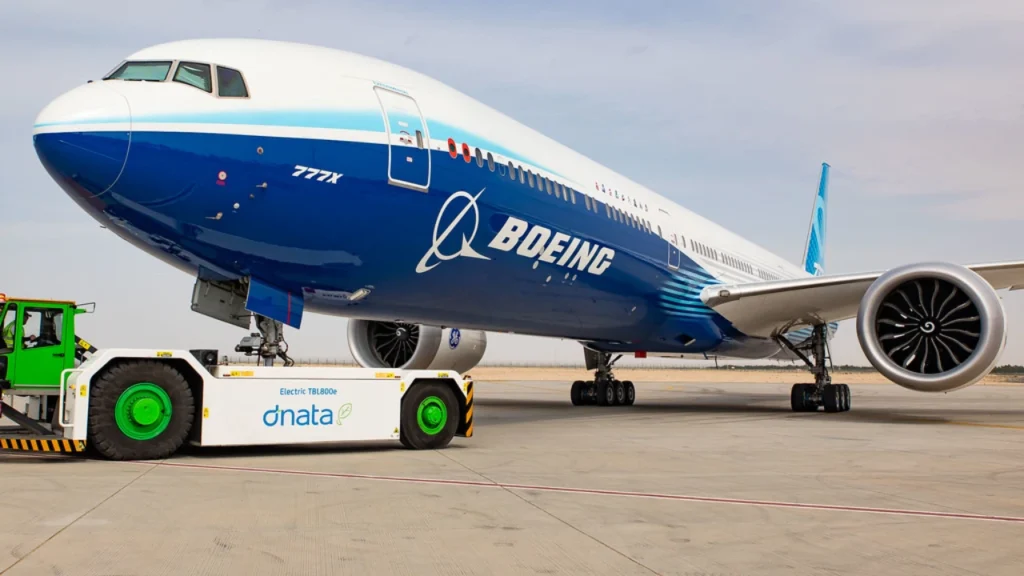
Competitive Landscape for Boeing
The ongoing issues faced by the 777X have led to comparisons with Boeing’s handling of the 737 MAX, raising concerns about the company’s internal capabilities.
In the meantime, Airbus seems to be taking advantage of this uncertainty. Its A350-1000 is gaining traction in the market, with some airlines opting to accelerate orders to fill the void left by Boeing’s delays.
Although Boeing possesses significant technical expertise, winning back customer trust will hinge on delivering the 777X without further disruptions. The ongoing scrutiny from regulators adds another layer of complexity to the situation. The aircraft’s eventual success or failure is likely to play a crucial role in shaping Boeing’s position in the widebody market over the coming decade.
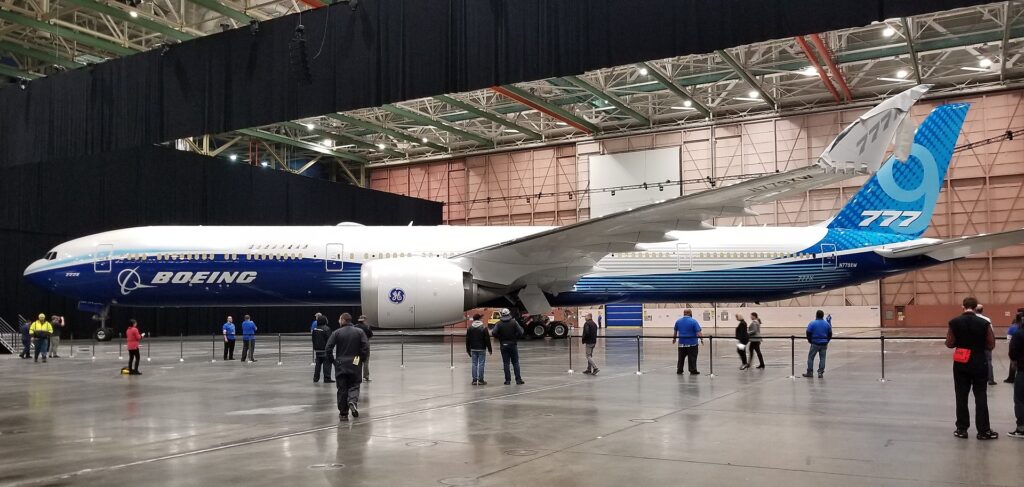
Bottom Line
To navigate these challenges, Boeing is planning to ramp up flight testing and collaborate more closely with the FAA in 2026 to address outstanding certification requirements. The first anticipated delivery is now scheduled for early 2027, likely going to Emirates, the plane’s largest customer.
For Boeing, the 777X program is vital to its recovery strategy. It aims to fill the gap between the 787 Dreamliner and the soon-to-be-retired 747. However, escalating costs, stringent regulatory oversight, and fierce competition from Airbus cast a cloud over the program’s future.
What are your thoughts on Boeing’s future with the 777X? Do you think it can overcome these hurdles?