United Airlines Attendant Dodges Jail Time After In-Flight Alcohol Incident

Incident Overview
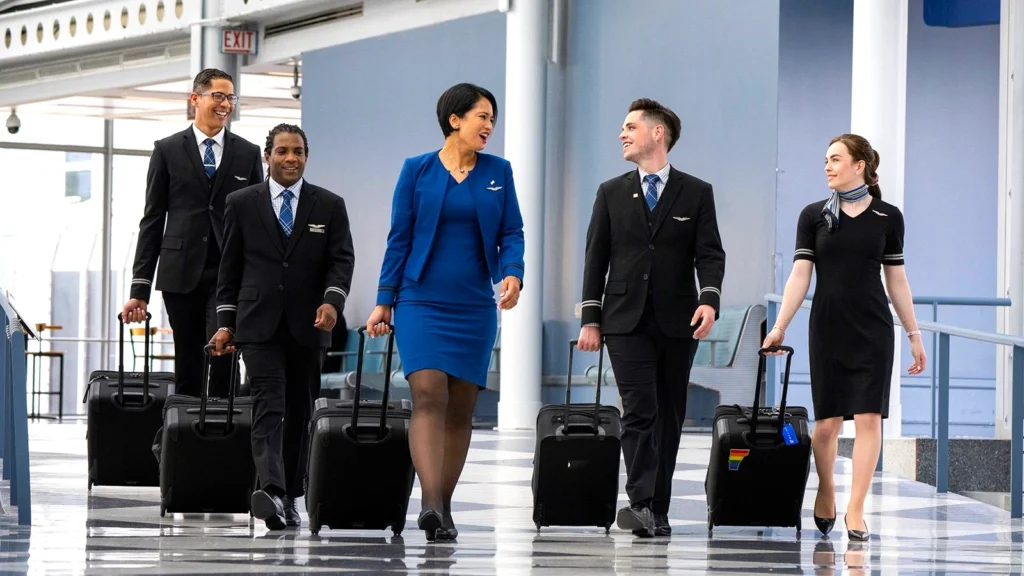
On a recent United Airlines flight from San Francisco International Airport (SFO) to London Heathrow Airport (LHR), a flight attendant arrived in a state of significant intoxication, necessitating medical care.
The crew member’s blood alcohol concentration was alarmingly close to ten times the legal limit for aviation personnel, yet she has managed to evade jail time, instead facing a financial penalty.
Court records show the attendant confessed to managing her in-flight responsibilities while under the influence. Although this raised safety alarms, the court determined that there was no disruption to the flight’s operation, leading to a penalty rather than incarceration.
Details of the Incident
The incident unfolded on October 17 as the United Airlines flight approached Heathrow’s Terminal 2. Emergency medical personnel arrived to assist a crew member exhibiting signs of severe intoxication and diagnosed her with low blood pressure.
Subsequent tests indicated a blood alcohol level of 216 milligrams per 100 milliliters, nearly tenfold the legal threshold for cabin crew. Reports indicated that the flight attendant had smuggled vodka aboard to help reduce her anxiety during the lengthy flight.
During the court sessions, the defense highlighted the individual’s personal struggles leading up to the incident. Ben Lansbury, the attorney, emphasized:
“She had the alcohol because she needed to calm down.”
“It was something of a shock to her as to what happened.”
“She deeply regrets what happened.”
This suggested that emotional turmoil played a significant role in her actions, although it didn’t excuse her behavior.
Court Outcome and Fines
The court acknowledged the flight attendant’s admission of intoxication while on duty, yet stressed that there was no disturbance or impact on passengers during the flight.
Due to the absence of any safety threats, the judge ruled against imprisonment. Instead, a financial penalty of £2,130 (approximately $2,803) was imposed, which included:
- Fine: £1,461
- Victim surcharge: £584
- Court costs: £85
Had the flight experienced any delays or complications due to this incident, the punishment could have been significantly more severe, potentially involving up to two years in prison under aviation regulations.
The Risks of Alcohol in Aviation
Alcohol consumption among flight crew raises significant safety concerns due to its detrimental effects on decision-making, coordination, and sensory perception.
At higher altitudes, the effects of intoxication can become even more pronounced, given the low oxygen availability.
Although this flight proceeded without complications, the incident serves as a stark reminder of the importance of sobriety in aviation professions, where quick and accurate responses are critical.
Crew members are vital for passenger safety, especially in emergencies, and alcohol consumption compromises their ability to act effectively.
Wider Implications
The challenges related to alcohol consumption are not confined to flight crew; disruptive behavior from intoxicated passengers remains a widespread issue in the industry. Many airlines have tightened their in-flight alcohol service policies, giving staff the authority to refuse alcohol service when necessary.
Regulatory bodies have taken action, with the Federal Aviation Administration (FAA) penalizing individuals for alcohol-related disturbances with substantial fines, including a record-setting $80,000 fine for one passenger’s behavior.
Airlines are actively revamping their in-flight alcohol policies to address these concerns efficiently, promoting the safety and comfort of all passengers.
Concluding Thoughts
The incident involving the United Airlines flight attendant serves as a potent reminder that personal challenges should never compromise safety in aviation.
While the court chose to be lenient due to the lack of major disturbances, this case highlights the vital need for professionalism and discipline in all roles that impact flight safety.
How do you think such incidents should be handled in the future to ensure safety and accountability?