Delta’s Atlanta Hub Faces Winter Disruptions Amid FAA Flight Reductions

ATLANTA- Delta Air Lines (DL) is grappling with significant operational challenges as freezing temperatures sweep through its Atlanta Hartsfield-Jackson hub (ATL), worsened by ongoing FAA-requested flight reductions. Experts are raising concerns that the airline may be nearing a pivotal crisis due to the combined stress of staffing shortages and severe winter weather.
Over the recent weekend, Delta experienced the highest number of flight cancellations among U.S. airlines, axing hundreds of flights and forcing delays on thousands more. Analysts suggest that the upcoming days will be crucial for the airline’s efforts to stabilize operations and uphold its long-standing reputation for dependability.
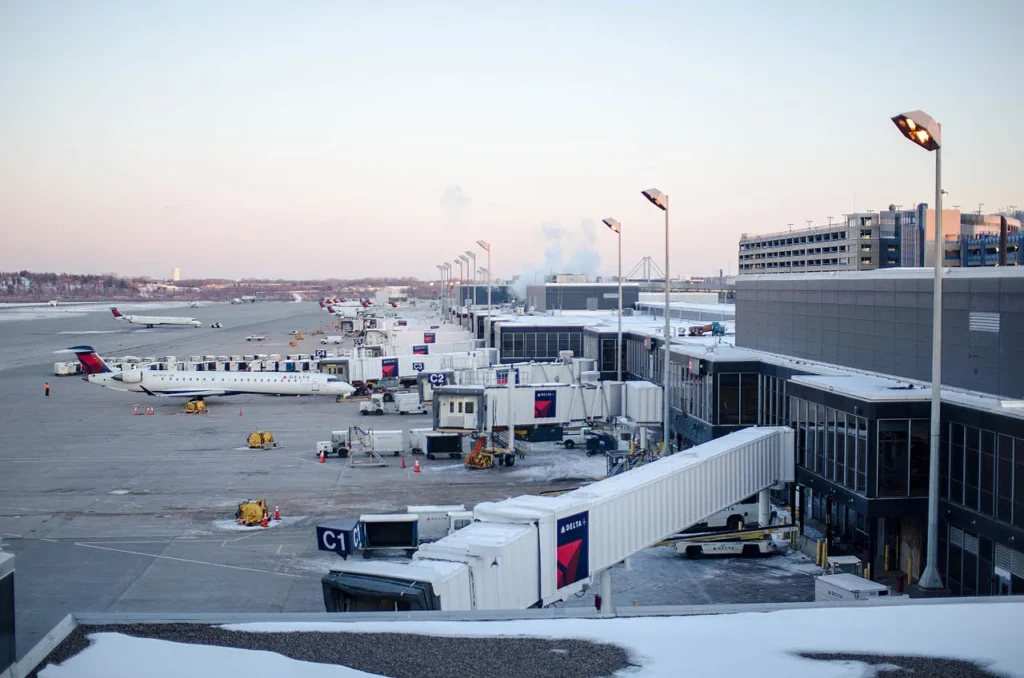
Delta’s Winter Turbulence and FAA Flight Reductions
Industry insiders are warning that Delta Air Lines is perilously close to a full operational collapse. Recent FlightAware data indicated that the airline canceled 586 flights—approximately 16% of its Sunday schedule—and delayed over 1,300 additional departures.
These disruptions stem from both freezing conditions at Atlanta Hartsfield-Jackson International Airport (ATL) and ongoing nationwide staffing shortages within Air Traffic Control (ATC).
While Delta believes it can rebound quickly, analysts express skepticism. The ‘Flighty’ tracking platform estimated a 50% chance of a total Delta meltdown, alongside a 15% likelihood of a broader disruption within U.S. airspace.
The airline’s primary hurdle involves repositioning flight crews overnight to ensure a smooth start for Monday morning departures.
As part of its response, Delta has already canceled about 10% of its flights through November 11, aligning with FAA directives aimed at alleviating pressure on the strained ATC network. However, experts warn these early cuts could merely hint at larger disruptions on the horizon.
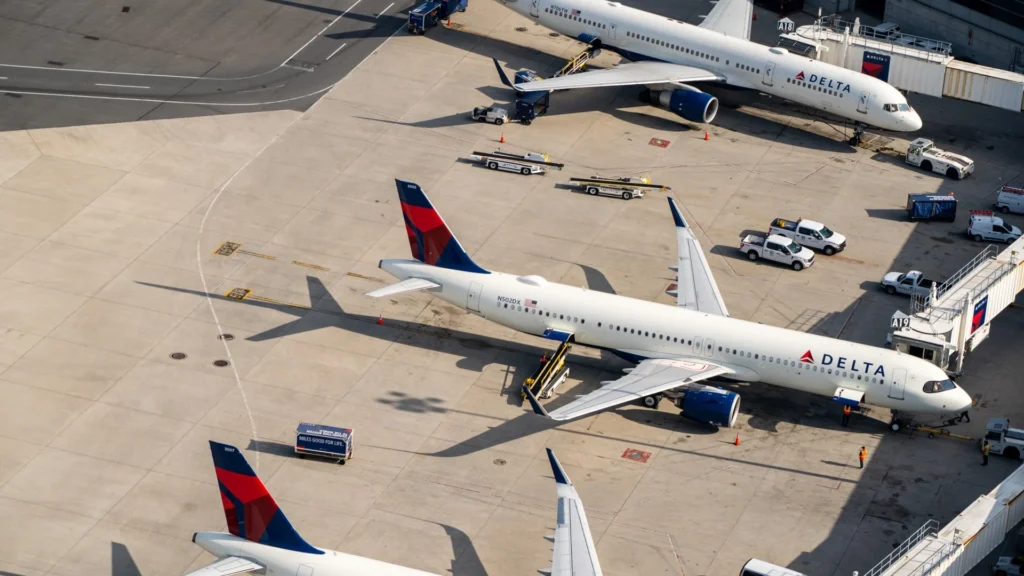
FAA’s Directive Adds More Pressure
Transportation Secretary Sean Duffy has introduced what he described as a “safety-driven, data-driven decision” to temporarily lower flight volumes nationwide. However, this directive has had unintended repercussions, with a further decline in ATC controllers reporting for work.
Duffy has cautioned that without prompt stabilization, flight cancellations could soar to 20%. The ATC shortages are affecting not only Delta but various U.S. airlines that depend on accurate coordination within the national airspace system. Delta is in a particularly vulnerable position due to its heavy reliance on Atlanta, which is one of the busiest airports worldwide.
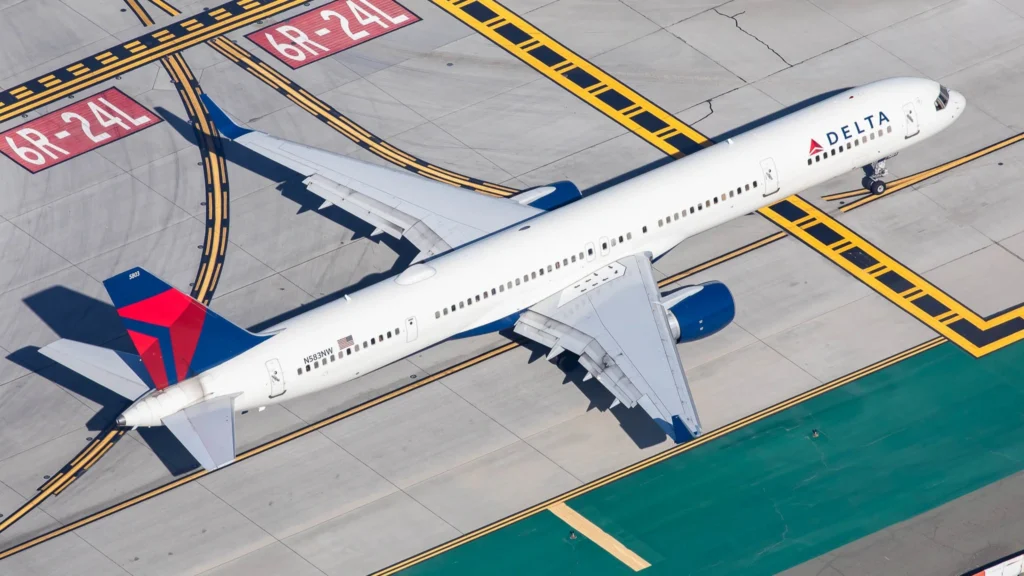
Legacy of Operational Strain
Delta’s current challenges follow a major disruption last July when a significant IT outage from CrowdStrike affected various airlines’ operations. While most competitors managed to recover swiftly, Delta’s systems and crew scheduling tools lagged, leading to the cancellation of 7,000 flights over a span of five days and incurring estimated losses of $500 million.
Many of the same weaknesses—crew positioning, IT dependencies, and congestion at hubs—are being examined once again. The challenges this winter may further stretch Delta’s capacity to recover quickly and retain customer trust.
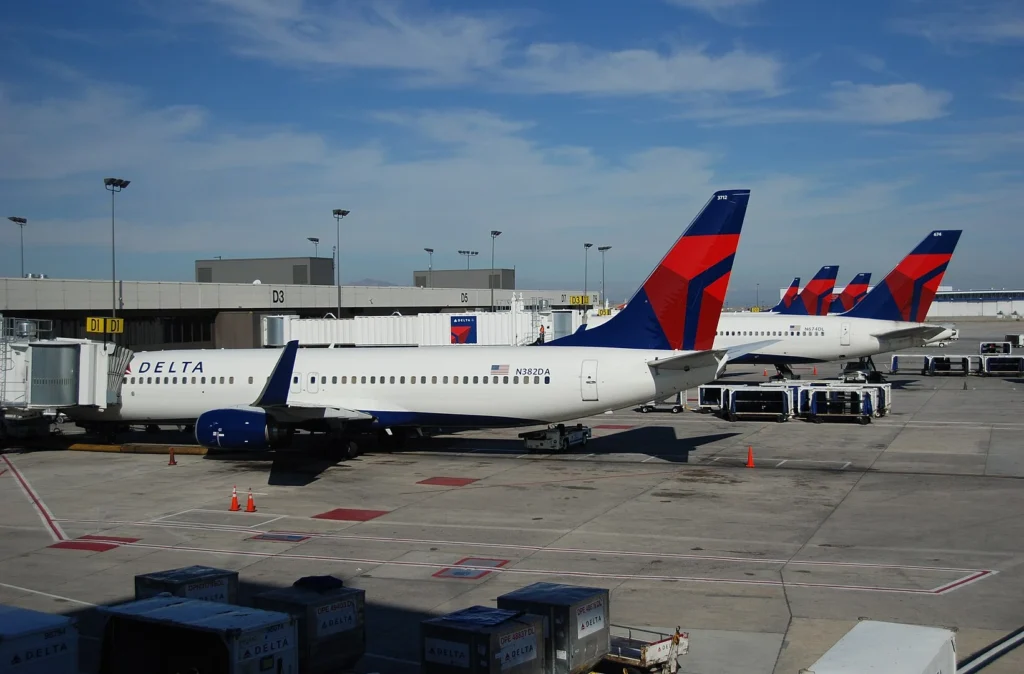
Passenger Impact and Airline Response
Recently, Delta has informed passengers via email that they will not receive reimbursements for hotel stays, rental cars, or meal expenses linked to FAA-related flight cancellations or delays. The airline argues that the disruptions arise from federal operational requirements rather than any internal failings.
Nonetheless, the passenger experience remains challenging, with canceled flights, crowded airports, and limited rebooking options. As the winter season begins, analysts believe that Delta’s performance in the following week will be critical in determining whether the airline can navigate through—or succumb to—a full-blown operational crisis.