Top Global Aircraft Grounded for Software Upgrade: What You Need to Know

Numerous operators within the Airbus A320 family are gearing up for brief but extensive groundings due to a flight control issue linked to a malfunctioning aileron computer. This incident stemmed from a JetBlue (B6) flight traveling from Cancun (CUN) to Newark (EWR), which had to make an unscheduled landing in Tampa (TPA) after experiencing a sudden drop in altitude.
Both Airbus and various aviation authorities have verified that excessive solar radiation can disrupt data processed by Thales ELAC units. As a result, an urgent software rollback is being implemented across thousands of A320-series aircraft to stabilize operations and avert uncommanded pitch events.
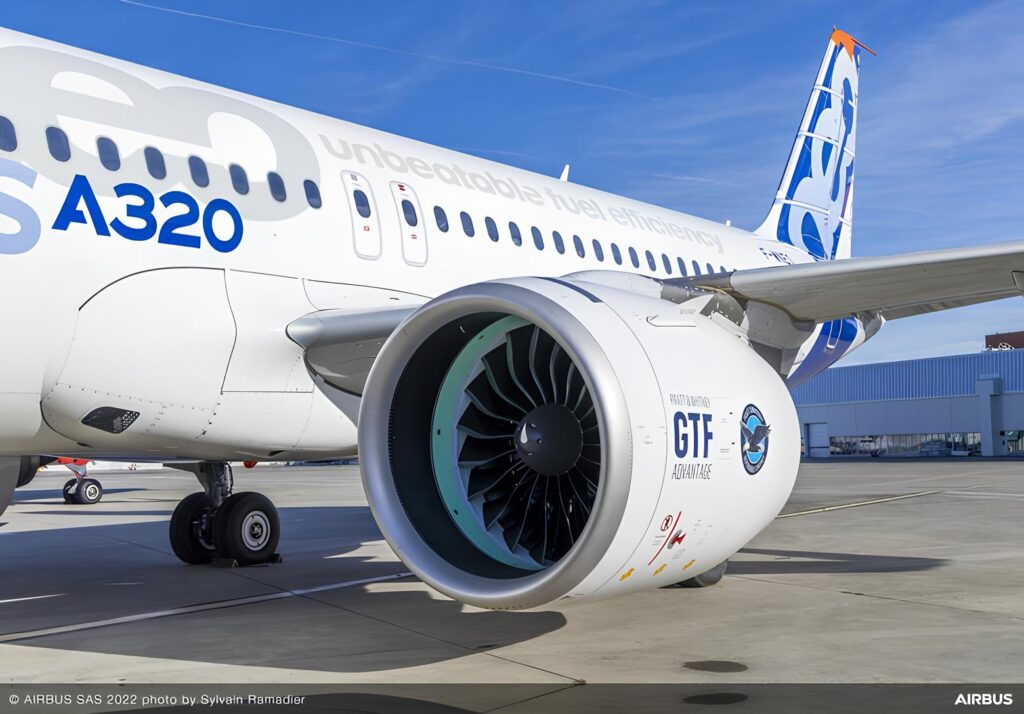
Groundings for the Airbus A320 Family
Investigators pinpointed a failure in the Thales ELAC 2 computer as the cause behind the JetBlue A320’s unexpected descent on October 30. This malfunction resulted in the software incorrectly interpreting control inputs during a switch change, leading to an uncontrolled downward pitch of the aircraft.
The National Transportation Safety Board (NTSB) expressed concern that the redundant ELAC system did not take over as expected, which is critical during routine flight operations.
Each Airbus A320 family aircraft utilizes two ELAC units to process pilot commands and manage aileron and elevator movements. These systems are interconnected with a global network comprising production lines, maintenance centers, and overhaul facilities.
If one unit fails, the other is supposed to operate flawlessly. However, this incident has highlighted a significant vulnerability, raising urgent safety questions.
The Federal Aviation Administration (FAA) and the European Union Aviation Safety Agency (EASA) have actively monitored ELAC performance trends. A 2018 FAA directive mandated necessary software updates to tackle angle of attack concerns. Given there are over 11,300 A320 family aircraft in operation—including more than 6,400 A320 models—any comprehensive action must be carefully executed to minimize major disruptions.
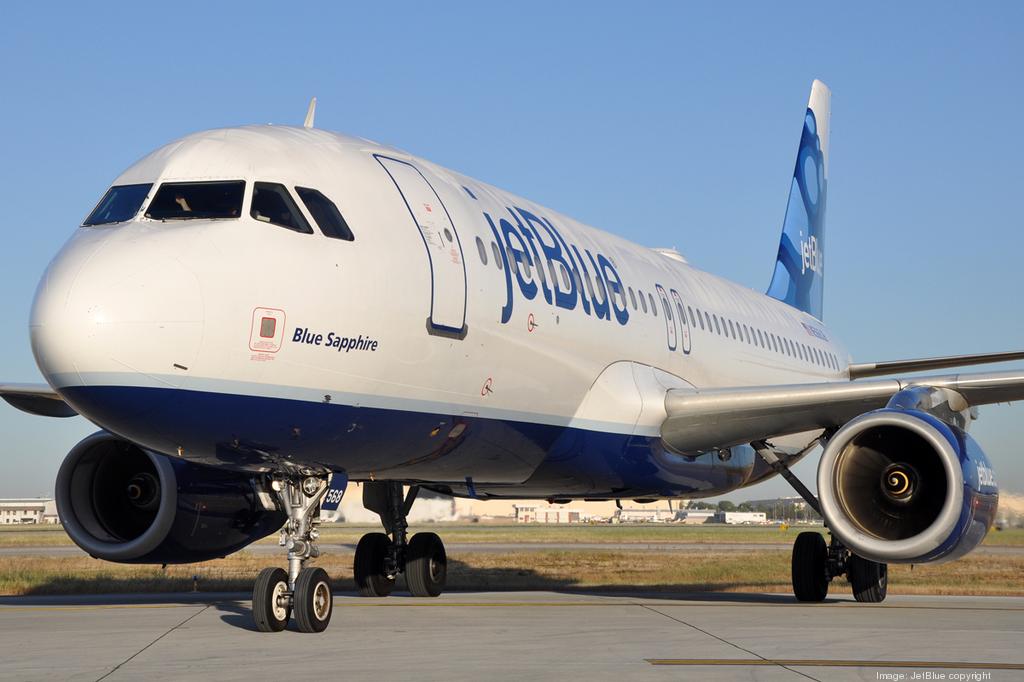
Understanding the Recall’s Impact
Airbus has initiated a software update affecting approximately 6,000 aircraft, which is nearly half of the active A320 family jets.
About two-thirds of these planes will experience temporary groundings while operators revert to a stable ELAC software version. The others will require hardware replacements, potentially extending their downtime to several weeks.
Airlines anticipate flight cancellations and schedule modifications but expect to handle the initial disruption effectively.
To maintain core schedules, most operators will adopt staggered maintenance, software reloads, and system checks. Early assessments indicate that a swift software deployment should avoid extensive groundings similar to previous fleet-wide issues.
This recall occurs during a busy travel season in the U.S., causing concern over possible strain on current networks.
Initial assessments show that next-day schedules for affected airlines report minimal cancellations, allowing carriers to adapt their operations responsively.
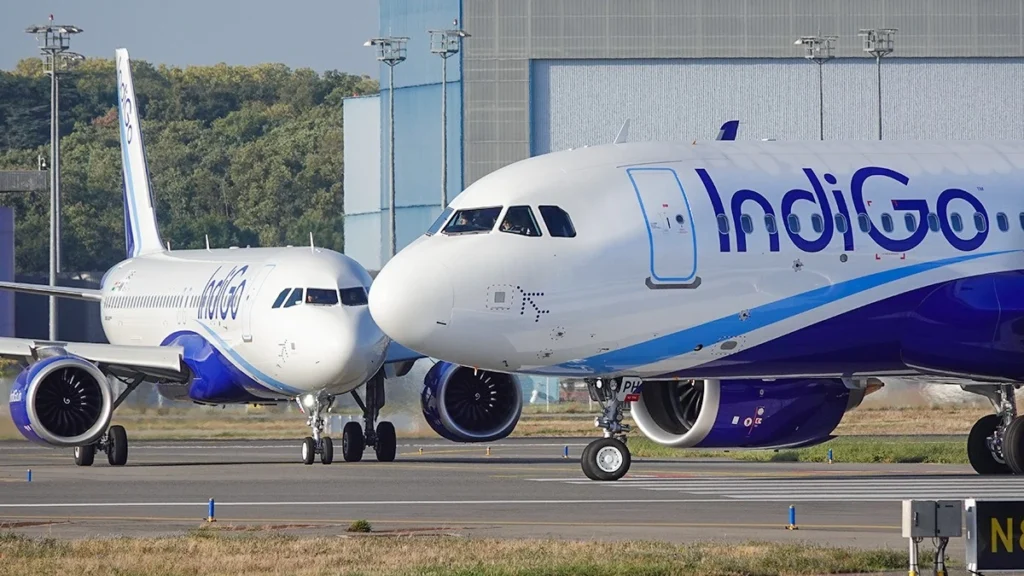
What Initiated the Emergency Directive
The JetBlue incident served as a critical data point that prompted Airbus to distribute an Alert Operators Transmission.
The company has stated that intense solar radiation may disrupt inputs essential for flight control systems. This was corroborated by findings regarding the ELAC system misinterpreting data during the flight from Cancun to Newark, which led to an unexpected descent and injuries among several passengers.
Airbus is collaborating with global regulators to expedite both software and hardware safeguards. EASA plans to issue an emergency airworthiness directive requiring compliance from all operators.
The ultimate goal is to reinstate reliable redundancy between the ELAC units and prevent future incidents of uncommanded events while the fleet continues to operate normally.
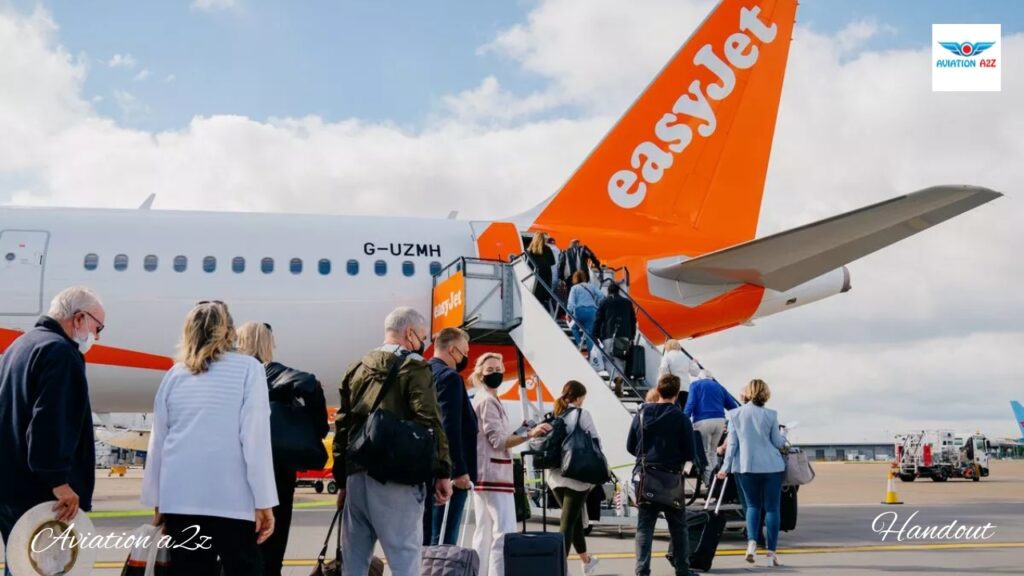
Implications for Operators and Passengers
Many airlines will experience short, managed groundings while they implement software updates and maintenance checks. For aircraft needing hardware changes, carriers must plan for longer downtimes extending weeks.
Production and maintenance capacities at Thales and global MRO facilities will affect the speed of full fleet restoration.
Regulators and operators are confident they can prevent long-term operational setbacks. The fleet remains structurally sound, with the recall aimed solely at assuring the ELAC system performs reliably again.
Airlines are developing contingency strategies to minimize passenger inconvenience while crews and maintenance teams finalize the necessary updates.
What are your thoughts on these developments? How do you think this will impact air travel in the near future?