TSA Shares Passenger Data with ICE, Transforming Airports into Deportation Hubs

WASHINGTON- The Transportation Security Administration (TSA) is now utilizing airline passenger data in a way that enables immigration authorities (ICE) to make arrests at U.S. airports, even on domestic flights. This decision showcases a deeper collaboration between federal agencies in enforcing immigration laws.
Airlines and departure cities have become integral parts of a system where booking information, originally gathered for security checks, is also employed to spot travelers who are facing deportation orders.

TSA Shares Passenger Data with ICE
As reported by various outlets, the Trump administration has turned to airline booking details to bolster deportation initiatives.
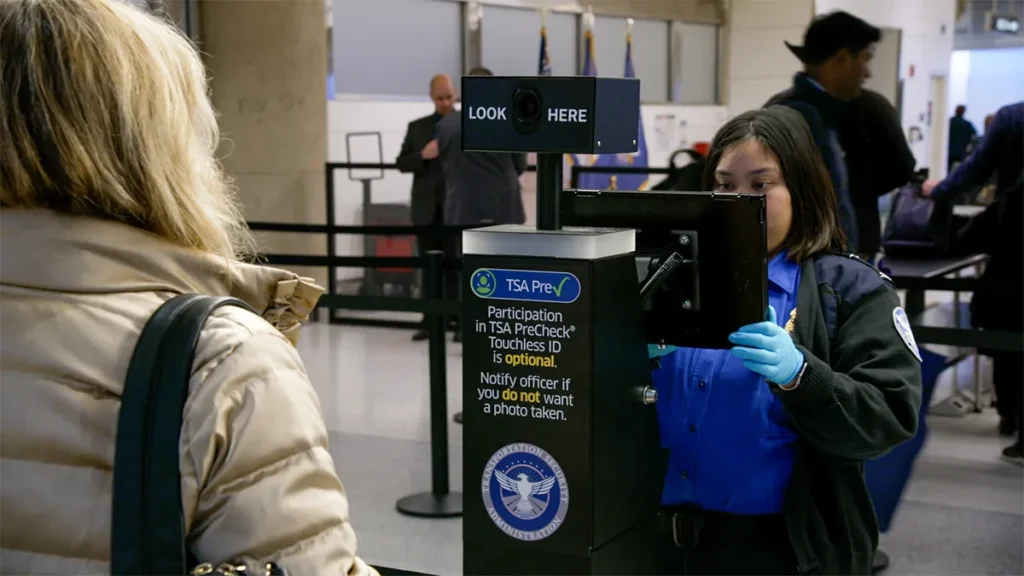
When passengers book flights, their personal details are routinely forwarded to the TSA and cross-checked against national security databases.
Previously, this procedure primarily targeted suspected terrorists or persons on security watch lists. However, starting in March 2025, this policy was altered.
Under the new system, the TSA began sharing the names of all passengers booked on flights multiple times a week with ICE.
ICE then matches these passenger lists against their own records of individuals who are subject to deportation and sends agents to airports to apprehend those identified before their flights take off.
This represents one of the most significant expansions of passenger data usage beyond just aviation security

Trump Administration Goals and DHS Communication
This initiative aligns with President Trump’s objective of executing a significant deportation campaign in the nation’s history.
A representative from the Department of Homeland Security emphasized that anyone in the country unlawfully should not see traveling as an option but rather a reason to leave.
A former deputy head of ICE in New York noted that this strategy has turned air travel into a means for enforcing immigration laws.
Airports provide a unique opportunity for authorities to pinpoint individuals who believe they can evade laws by simply boarding a plane.
The implementation of this policy gained considerable media attention after the arrest of Any Lucia Lopez Belloza, a 19-year-old college student from Boston.
She was detained on November 20, 2025, at Logan International Airport, just before she was set to fly to Texas for a family visit.
While heading to customer service about her boarding pass, ICE agents surrounded and handcuffed her. Her attorney reported that she was swiftly deported to Honduras, a place she left at age seven when her parents sought asylum in the U.S.

Conflicting Legal Claims and Due Process Issues
Lopez Belloza’s attorney claimed she was deported despite a court order prohibiting her removal from Massachusetts.
Her attorney stated that ICE officials did not present a warrant, removal order, or any sort of explanation.
The Department of Homeland Security argued that an immigration judge had ordered her removal in 2015 and that she remained unlawfully in the country afterward.
However, the attorney countered that government records indicate her case was closed in 2017.
Ethical Considerations and Enforcement Goals
The topic of immigration enforcement is contentious, with public opinion generally favoring the removal of violent offenders. However, cases which involve individuals brought to the U.S. as children generate ethical debates.
Critics suggest that some deportations seem more focused on meeting quotas than on individual circumstances.
Stephen Miller, a senior official at the White House, has openly expressed a goal of arresting 3,000 individuals daily for immigration violations, intensifying scrutiny over enforcement methods.
On the other hand, supporters of this policy note that airports provide exact data on where and when individuals can be found.
Since TSA screenings ensure that passengers are not carrying weapons, conducting arrests at airports can be managed more efficiently.
Impact on Domestic Air Travelers
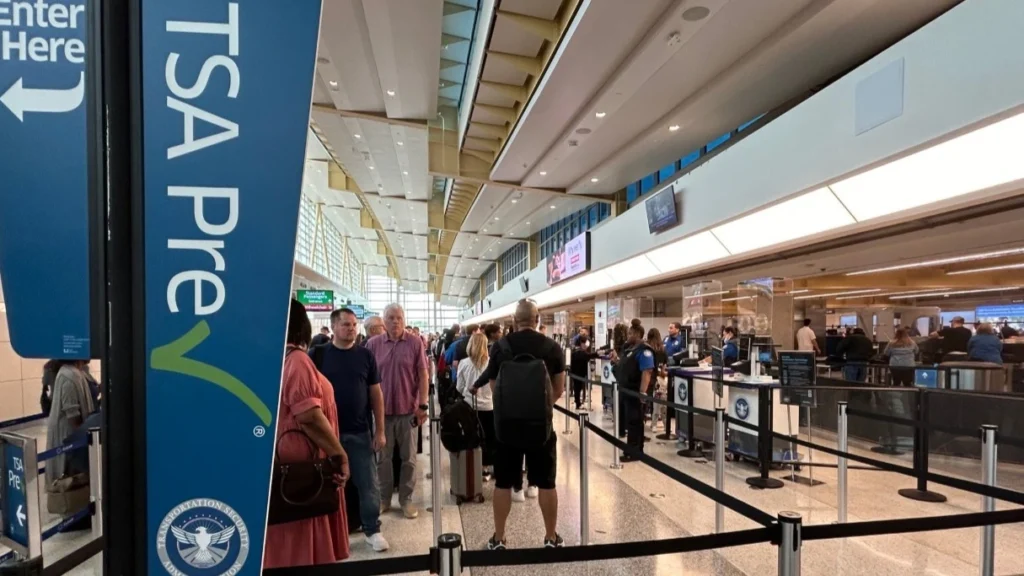
The increased sharing of passenger information signifies a notable shift in how domestic airline data is leveraged. Travelers who may face deportation proceedings are now at greater risk when flying within the U.S., even for internal routes.
This change highlights that routine air travel has transitioned from merely a security check to becoming an active site for immigration enforcement.