Emergency Alert Triggered by Toilet Problem on TAP Air Portugal Flight

LISBON- An ordinary flight by TAP Air Portugal from Lisbon Airport (LIS) to Nice Côte d’Azur Airport (NCE) took an unexpected turn when a malfunction in the lavatories resulted in a miscommunication with air traffic control.
Even though there was no real emergency, the scenario led to an emergency alert due to confusion over the pilots’ communications.
The Embraer E190, carrying 106 passengers, requested priority landing because all onboard toilets had failed. Unfortunately, a misunderstanding in English pronunciation led air traffic controllers to believe a more serious situation was developing.
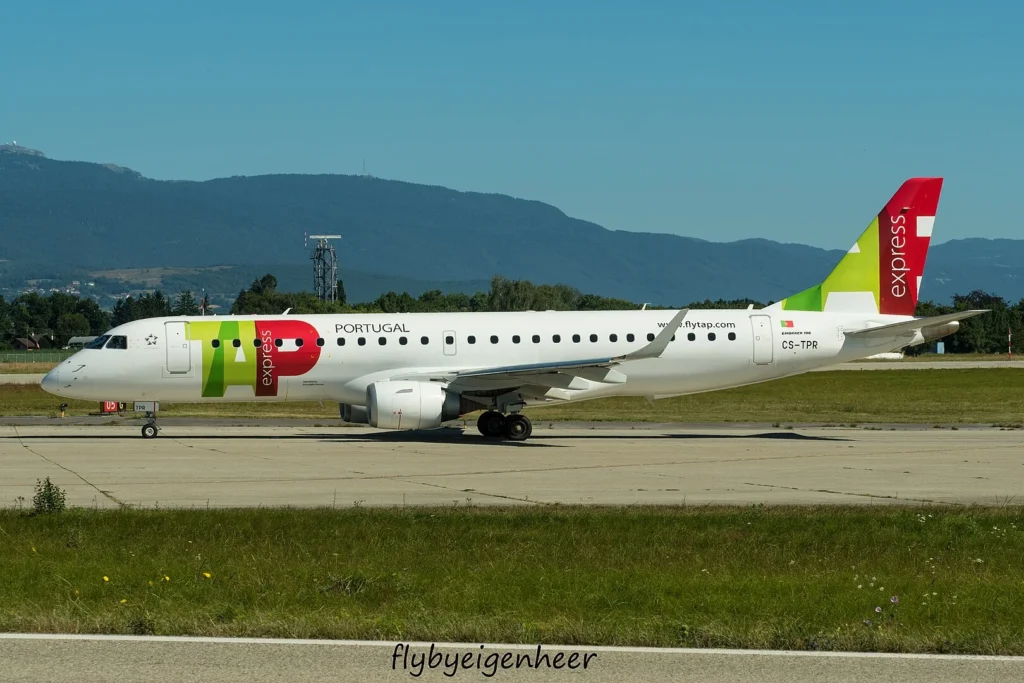
TAP Air Portugal Emergency
The TAP Air Portugal flight 484 was en route from Lisbon to Nice when the pilots reported a complete failure of the onboard toilets.
In an effort to ensure passenger comfort, they contacted French air traffic control to ask for a quicker approach to Nice. Their goal was to shorten the flight time, not to indicate an emergency.
The pilots clearly communicated that they weren’t declaring an urgent situation, such as a Pan Pan or Mayday.
However, language barriers complicated matters. During the exchange, the term “toilets” was mistakenly heard as “pilots,” which heightened concern among controllers.
Here’s a crucial part of the dialogue:
Pilot: “We don’t have toilets… that’s why we need to land as soon as possible.”
Air Traffic Controller: “Just to be sure, you have the autopilot which is out of work?”
Pilot: “No, sir… our problem is with the toilets.”
This exchange escalated, leading controllers to mistakenly conclude that the aircraft might be without a qualified pilot or that a pilot was incapacitated. Consequently, Nice Airport (NCE) was placed on alert.
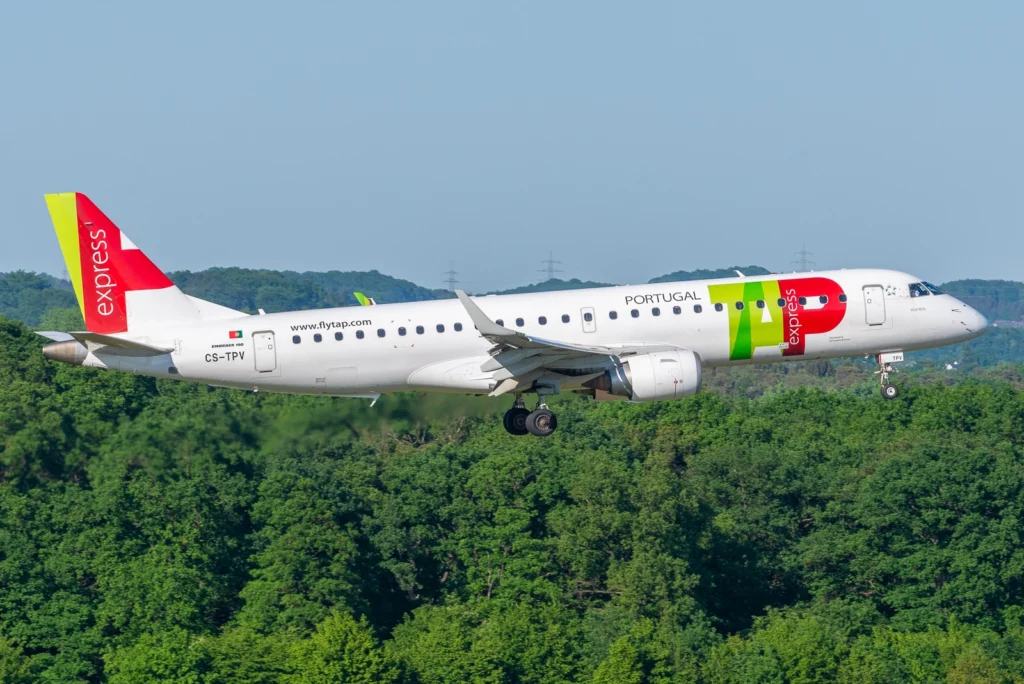
Miscommunication Escalated
Even though the TAP pilots repeatedly clarified that there was no emergency, their statements, like; “we don’t have pilots,” added to the confusion.
The mispronunciation of “toilets” as “pilots,” combined with rapid delivery and varying English accents, led air traffic controllers to perceive that neither the autopilot nor the human pilots were operational.
As discussions unfolded, confusion continued:
Air Traffic Controller: “Alert status… traffic we suspect having no pilot able to operate the aircraft.”
This led to the activation of temporary emergency protocols at the destination airport. Nevertheless, the aircraft landed without incident, and all was clarified once on the ground. Thankfully, no passengers were harmed, and the issue turned out to be confined to toilet availability.
This situation underscores how minor operational challenges can escalate when there are communication gaps, even in environments with standardized procedures.
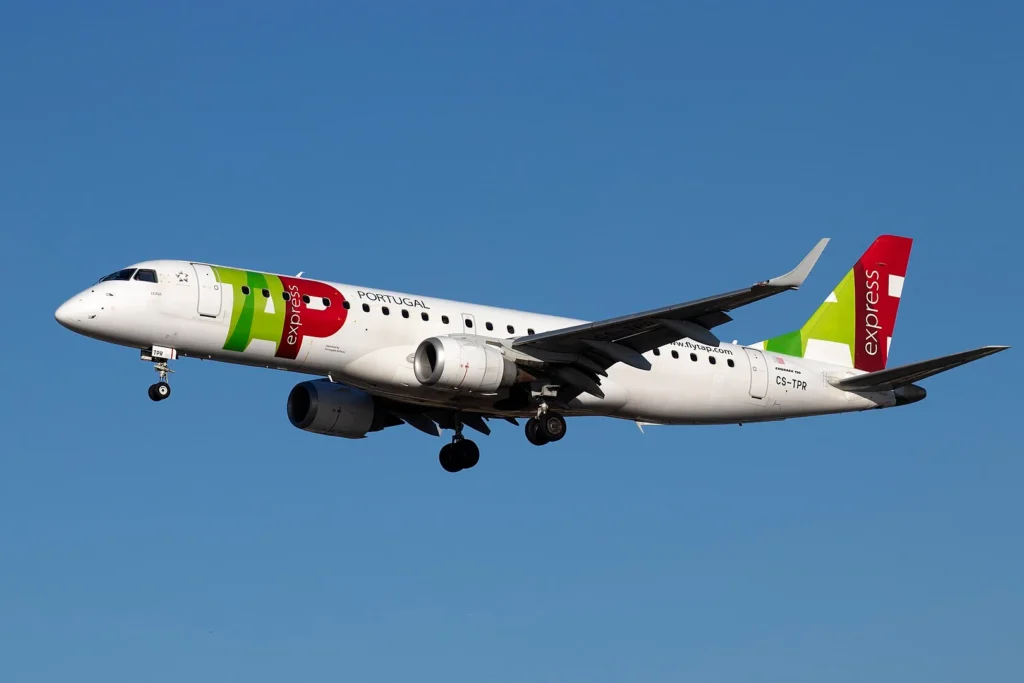
Aviation Communication
Aviation relies on English as the standard communication language in air traffic, particularly in international contexts.
This incident highlights how fluency in technical language, pronunciation, and situational context can impact safety protocols.
The TAP Portugal situation emphasizes several key points:
- The necessity of clear and measured radio communications.
- The difficulties posed by similar-sounding words in non-native speech.
- The importance for air traffic controllers to verify ambiguous statements.
If the miscommunication had not been resolved, emergency response teams might have acted unnecessarily, diverting vital resources and causing flight delays.
What are your thoughts on how communication can impact aviation safety?