World’s Top Aircraft Manufacturer Grounds 6,000 Jets: What Happened?

TOULOUSE- Airbus has recently grounded 6,000 aircraft from the A320 family due to a software vulnerability linked to intense solar radiation. This action has far-reaching effects on airlines globally, affecting both major US and Indian carriers.
This emergency measure follows an October 2025 incident involving JetBlue, where an A320 experienced a sudden nosedive during its flight from Cancun to Newark, attributed to compromised flight control data. Investigators pinpointed the ELAC 2 computer as the culprit, prompting swift action across the global fleet.
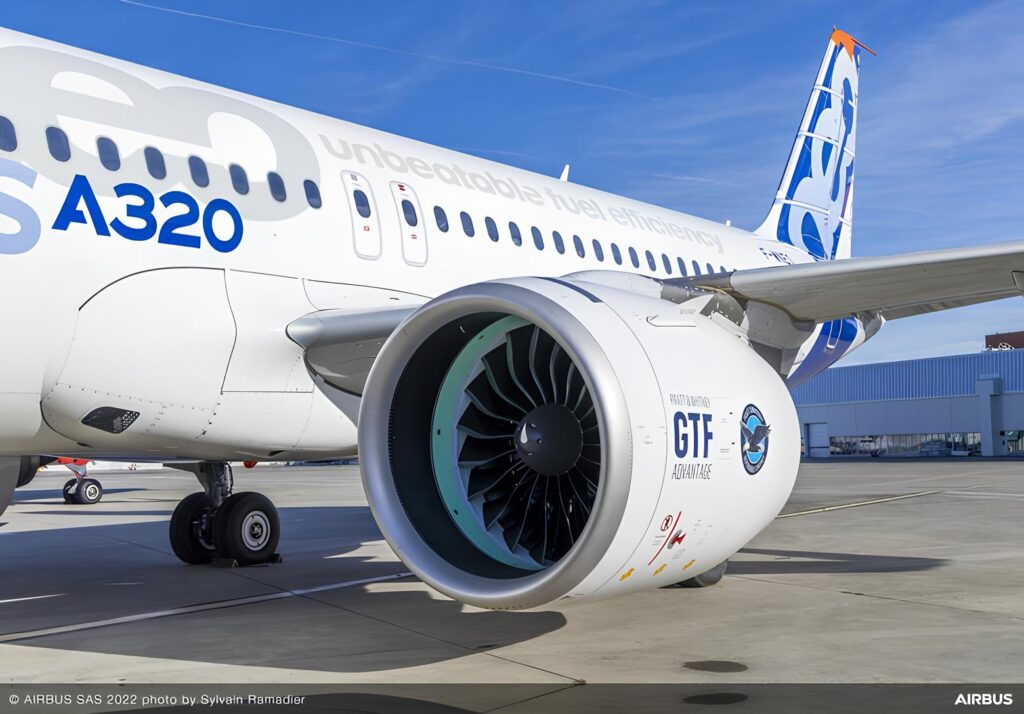
Understanding Airbus A320 Grounding
This grounding impacts over half of the active A320 fleet, marking a historic moment as Airbus faces its largest aircraft recall in 55 years. The European Union Aviation Safety Agency (EASA) has issued an emergency directive preventing affected planes from operating until necessary software updates are performed, resulting in numerous delays and cancellations worldwide.
Major airlines, including American Airlines, Delta, United, and JetBlue, have reported service disruptions during this peak travel season. Furthermore, IndiGo and Air India anticipate schedule modifications at major Indian airports like Delhi and Mumbai. In Japan, ANA has cancelled many domestic flights, while Avianca has paused ticket sales for its A320 fleet requiring urgent repairs.

Understanding the Radiation-Linked Failure
The A320 family utilizes advanced fly-by-wire technology, transitioning from mechanical to digital controls. This shift puts significant reliance on the integrity of its electronic flight control units, particularly the ELAC, which manages key flight movements.
During solar storms, charged particles amplify atmospheric radiation at cruising altitudes, which can corrupt vital data flows in onboard electronics. An example of this was the JetBlue incident, where erroneous inputs from the ELAC resulted in an uncommanded pitch adjustment, forcing a diversion to Tampa.
Thales, the manufacturer of the ELAC unit, indicated that the problematic behavior originated from software responsibilities outside their scope and affirmed alignment with Airbus’s certification standards.
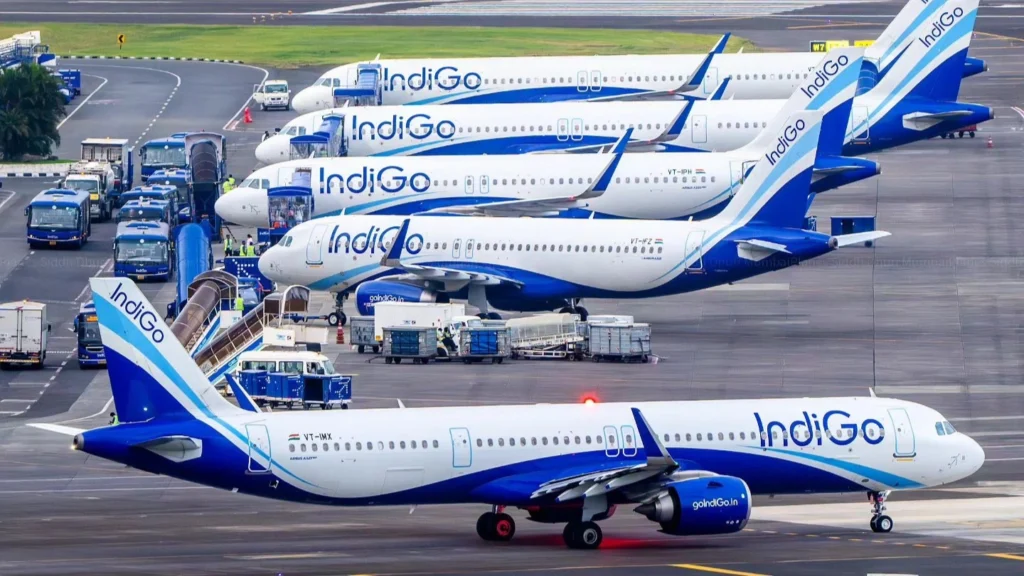
Repair Plans and Extended Grounding
Repair strategies vary based on the aircraft’s age and setup. Approximately 4,000 aircraft will undergo a software rollback that can typically be done in a few hours. In contrast, the remaining 1,000 older planes require hardware modifications, leading to longer downtimes due to parts availability and maintenance capacity challenges.
Airlines are striving to manage the immediate operational impacts. EasyJet announced the completion of necessary updates and expects a return to normal operations. Air Canada indicated that only a minor segment of its fleet used the vulnerable software version.
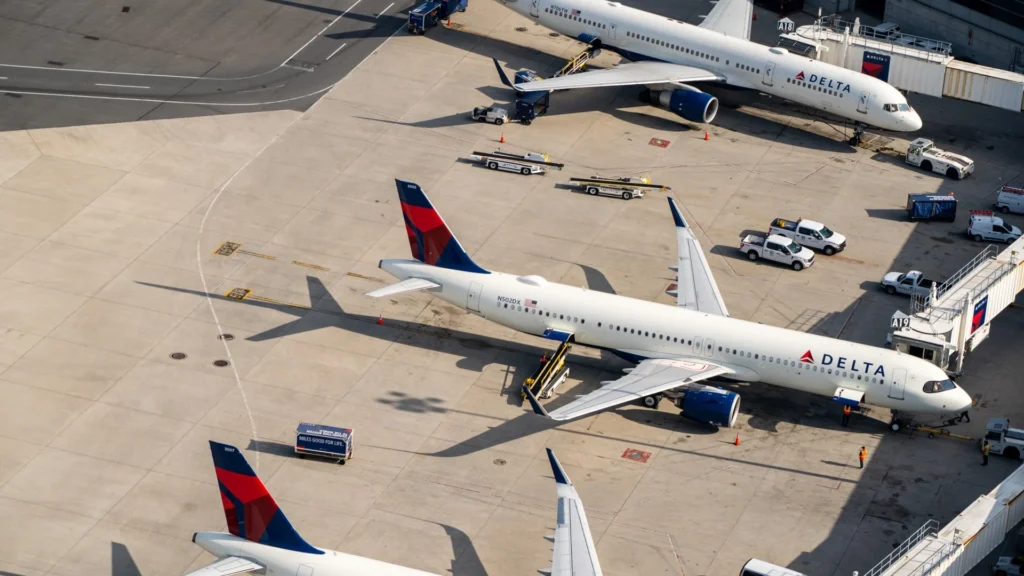
Worldwide Ramifications
The timing exacerbates challenges within an aviation sector already facing maintenance backlogs and supply chain issues. Various Airbus models remain sidelined due to separate engine concerns, and this unexpected A320 recall heightens the demands on facilities and workforce.
This scenario also interrupts Airbus’s significant achievement, where the A320 recently outpaced the Boeing 737 as the most delivered aircraft. Safety regulators and manufacturers maintain that swift, coordinated responses are vital to the sector’s reliability. Airbus has expressed regret about the operational disruption while emphasizing its commitment to fleet safety.
Would you like to learn more about the implications of this grounding for the aviation industry?