KLM Exposed: Cybersecurity Breach Affects Data of 6 Million Passengers

AMSTERDAM- Dutch airline KLM (KL) has reported a cybersecurity incident involving a third-party customer service software provider.
Individuals who reached out to KLM through customer service channels might have had their personal data compromised. Fortunately, sensitive details like credit card information and passports are reportedly safe.
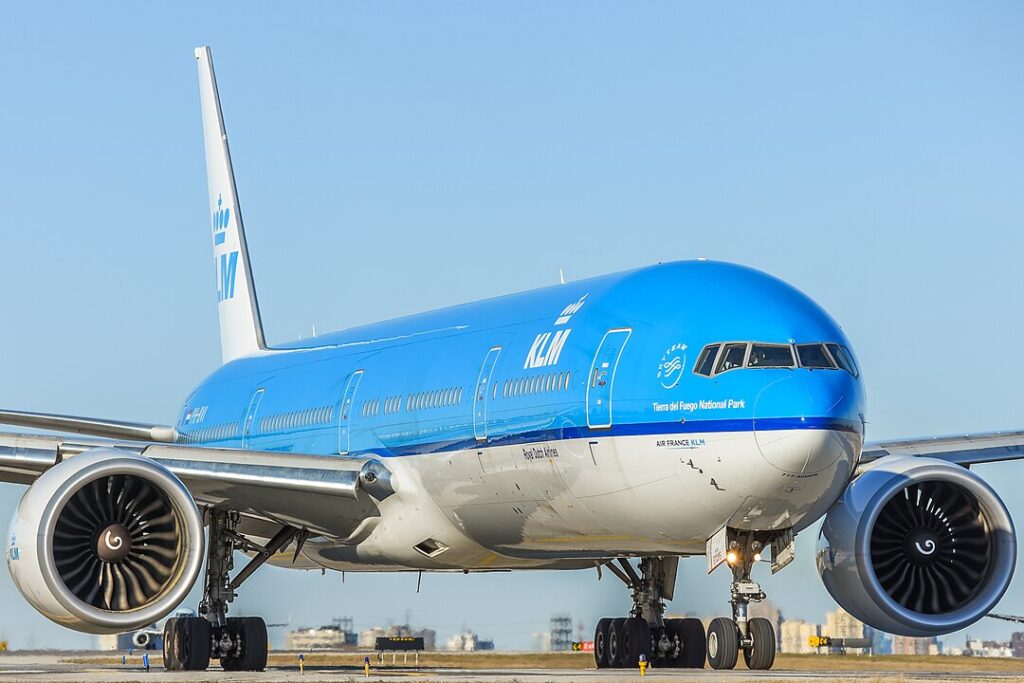
KLM Cybersecurity Breach
This incident adds to a growing list of airlines facing cyber threats through third-party vendors.
KLM disclosed that the breach originated from a supplier handling customer support services, leading to the exposure of personal details of passengers who recently interacted with their support team.
The information potentially compromised includes passenger names, contact information, frequent flyer numbers, and subject lines from support emails. However, KLM assures that financial and passport details remain secure.
Currently, KLM’s main concern revolves around phishing attacks, where fraudsters utilize the stolen information to pose as the airline in bogus communications.
These deceptive emails typically aim to trick recipients into clicking malicious links or divulging personal data on unauthorized sites resembling the legitimate airline webpage.
KLM has reached out to the individuals affected, advising them to verify any unexpected communications: “If you receive unexpected messages or phone calls, especially those soliciting personal information, please validate their legitimacy.”
Avoiding Phishing Attempts
KLM has outlined several indicators to help passengers identify potential phishing scams:
- Emails lacking personalized greetings
- Pressure tactics like urgent calls to action (e.g., “click now”)
- Spelling or grammatical errors
- Links leading to unfamiliar domains
To safeguard customers, KLM has provided a list of verified email addresses used for communication.
They also cautioned that scammers often imitate official email addresses with minor alterations that can be easily overlooked.
Airline Response
KLM has taken steps to report the incident to the Dutch Data Protection Authority (Autoriteit Persoonsgegevens). Similarly, Air France, which co-owns KLM, has notified the corresponding agency in France.
Although KLM has not disclosed the number of affected passengers or specifics of the breach, they emphasize that core operational systems remain intact, and additional cybersecurity measures have been introduced.
This breach is part of a larger trend. In June, Qantas reported a comparable cyberattack involving a third-party vendor that compromised roughly six million passengers’ information.
Furthermore, the FBI has recently alerted the aviation sector about ongoing threats, including from the “Scattered Spider” group, targeting IT systems with social engineering tactics.
British Airways has also taken proactive measures, locking down its internal systems temporarily in light of similar threats while enhancing security protocols.

Industry-Wide Cybersecurity Concerns
The breach at KLM underscores the aviation industry’s heightened vulnerability to cyberattacks, particularly through third-party service providers. These vendors, despite being external, frequently access customer and operational data, positioning them as attractive targets for cybercriminals.
Airlines across the globe are advised to reassess vendor access, audit data management practices, and enhance authentication systems to mitigate risks.
KLM’s immediate response and ongoing transparency might assist in restoring customer confidence, yet this event serves as a critical reminder of the essential nature of digital security in aviation.