Turkish Airlines Expands Fleet with 75 New Boeing 787s and 737 MAX Orders

ISTANBUL- Turkish Airlines (TK) has finalized a significant partnership with Boeing, placing an order for up to 75 Boeing 787 Dreamliners. This order marks the airline’s largest widebody commitment, which is designed to enhance long-haul efficiency and modernize its fleet based out of Istanbul Airport (IST).
In addition to the 787 Dreamliner deal, Turkish Airlines is also planning to acquire up to 150 more 737 MAX jets. This procurement will increase their single-aisle capacity and supports the airline’s ambitious goal of operating 800 aircraft by 2033, facilitating its global expansion.
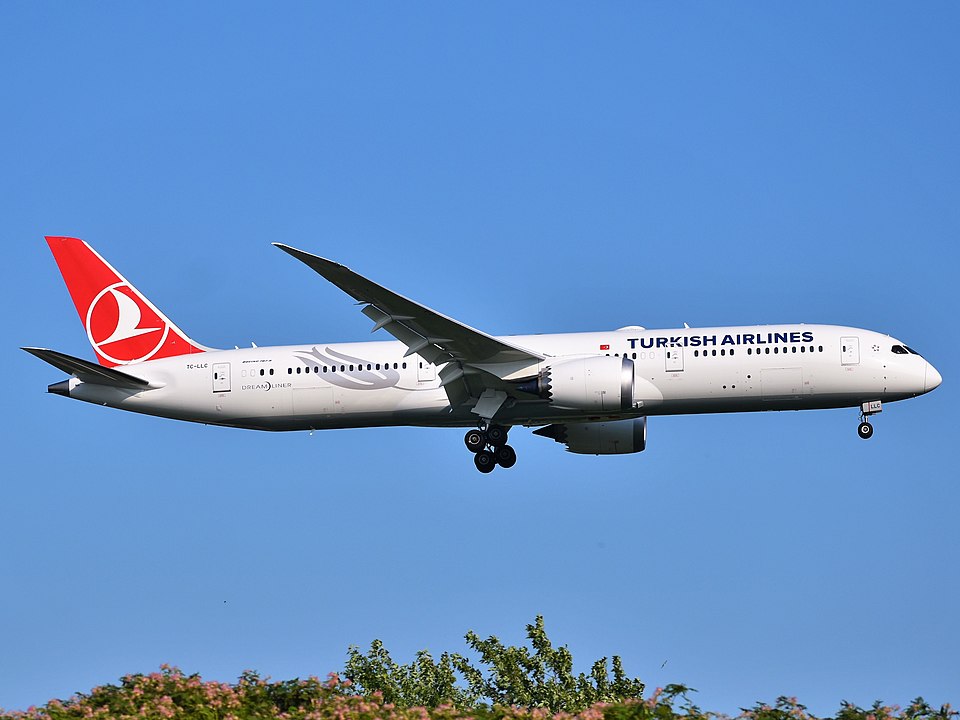
Turkish Airlines’ New Boeing 787 Dreamliners
Turkish Airlines has secured a groundbreaking order with Boeing, marking its biggest widebody acquisition to date with up to 75 Boeing 787 Dreamliners. The firm commitment includes 50 aircraft, consisting of 35 787-9 variants and 15 of the larger 787-10 model. There are also options for an additional 25 planes.
Deliveries are slated to begin between 2029 and 2034, allowing Turkish Airlines to phase out older models and transition to a new-generation fleet by 2035.
The order is expected to sustain over 123,000 jobs in the United States, covering everything from manufacturing to supply chain roles. Currently, Turkish Airlines operates more than 200 Boeing aircraft, including various models like the 787-9, 777, and 737 MAX.
This strategic expansion aims to serve more routes with lower fuel consumption, particularly on high-demand routes from Istanbul Airport (IST) to U.S. destinations like New York (JFK), as well as hubs in Africa, Southeast Asia, and the Middle East.
Prof. Ahmet Bolat, the Chairman of Turkish Airlines, underscores that this order doesn’t just signify growth. It also emphasizes innovation and operational excellence, reinforcing the airline’s 2033 Vision for a fleet of 800 aircraft.
The 787-10 variant enhances capacity for passengers and cargo while achieving a 25% reduction in emissions per seat compared to older models. Features such as the largest windows in any widebody and humidity-controlled cabins ensure a comfortable flying experience.
Stephanie Pope, CEO of Boeing Commercial Airplanes, applauds the enduring partnership. Turkish Airlines joins over 100 operators utilizing the 787 family, which transports over 500,000 daily passengers globally.
Boeing’s long-standing relationship with Türkiye spans 80 years, incorporating $2 billion in local investments that have generated 5,000 jobs and integrated Turkish businesses into global supply chains.
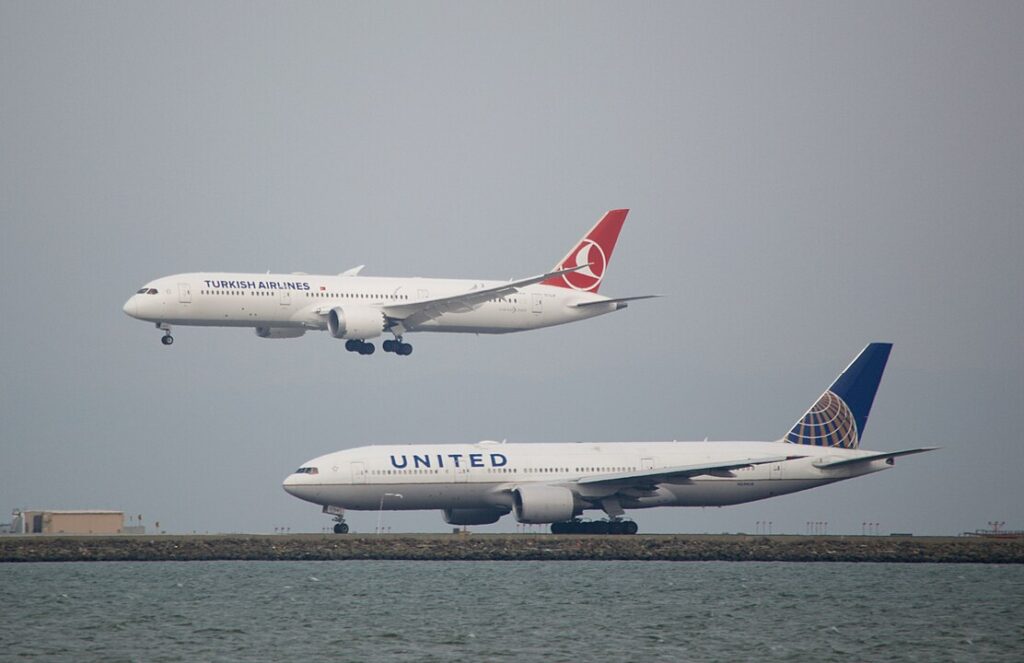
Narrowbody Fleet Expansion
On another front, Turkish Airlines has indicated a firm intention to purchase up to 150 Boeing 737 MAX aircraft, including 100 firm orders for the 737-8 and 737-10 models, with 50 additional options still subject to engine discussions with CFM International. This contract represents the airline’s largest single-aisle Boeing order to date.
The 737 MAX lineup offers improved fuel efficiency by 20% compared to earlier models, catering perfectly to heavily trafficked routes from Istanbul to major European cities and domestic destinations within Turkey.
When combined with the 787 Dreamliner order, these jets will bolster an anticipated annual growth rate of 6%, increasing the airline’s reach to over 130 countries where it currently leads in destination offerings.
Collaborative Efforts with Turkish Aerospace
Boeing has established offices in Ankara and Istanbul, focusing on supplier programs that foster local expertise in areas such as composites and avionics. These initiatives aim to elevate Türkiye’s position in the global aerospace sector, encompassing both defense and commercial services for airlines like Turkish Airlines.
As a leading U.S. exporter, Boeing operates in over 150 countries, offering commercial, defense, and space solutions. Its emphasis on safety and quality aligns well with Turkish Airlines’ objectives, ensuring dependable service that connects passengers around the world.
As Turkish Airlines continues to expand its fleet, how do you think these changes will impact your travel experience?