American Airlines Trains New Pilots for A321XLR Transatlantic Flights

FAA Training Oversight
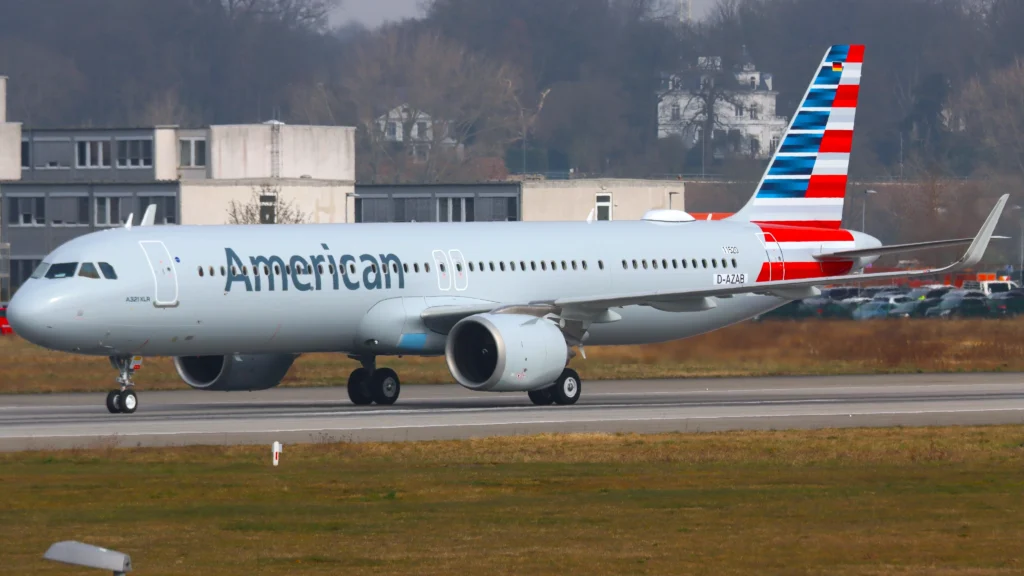
In Fort Worth, FAA inspectors recently observed a series of specialized training flights conducted by American Airlines. These flights were designed to help domestic pilots transition smoothly to international long-haul operations.
The routes primarily traveled between Philadelphia (PHL) and Edinburgh, Scotland (EDI), preparing the crew for transatlantic journeys on narrowbody aircraft.
This training aimed at familiarizing pilots with intricate Atlantic procedures ahead of the Airbus A321XLR’s rollout, a next-generation single-aisle aircraft known for its extended range.
Training Flights for A321XLR Readiness
Throughout September, American Airlines executed 42 non-revenue flights between Philadelphia and Edinburgh, all diligently overseen by FAA inspectors.
These operations gave seasoned check pilots the chance to familiarize themselves with the unique demands of flying over oceans, a significant shift from domestic flights.
The training specifically included mastering North Atlantic procedures, such as the North Atlantic Track System (NATS), which serves as a dynamic routing framework dependent on wind conditions and dubbed a “highway in the sky.”
Pilots were also trained to navigate without radar, utilizing position reporting and satellite communication systems instead.
Captain Josh Hall, the A320 Fleet Captain for American, hailed the program as a resounding success, attributing this to the collaboration among the FAA, check pilots, and technical teams.
This phase has laid essential groundwork for training the next group of “line pilots” who will regularly operate transatlantic flights.
Aircraft Deployment Plans
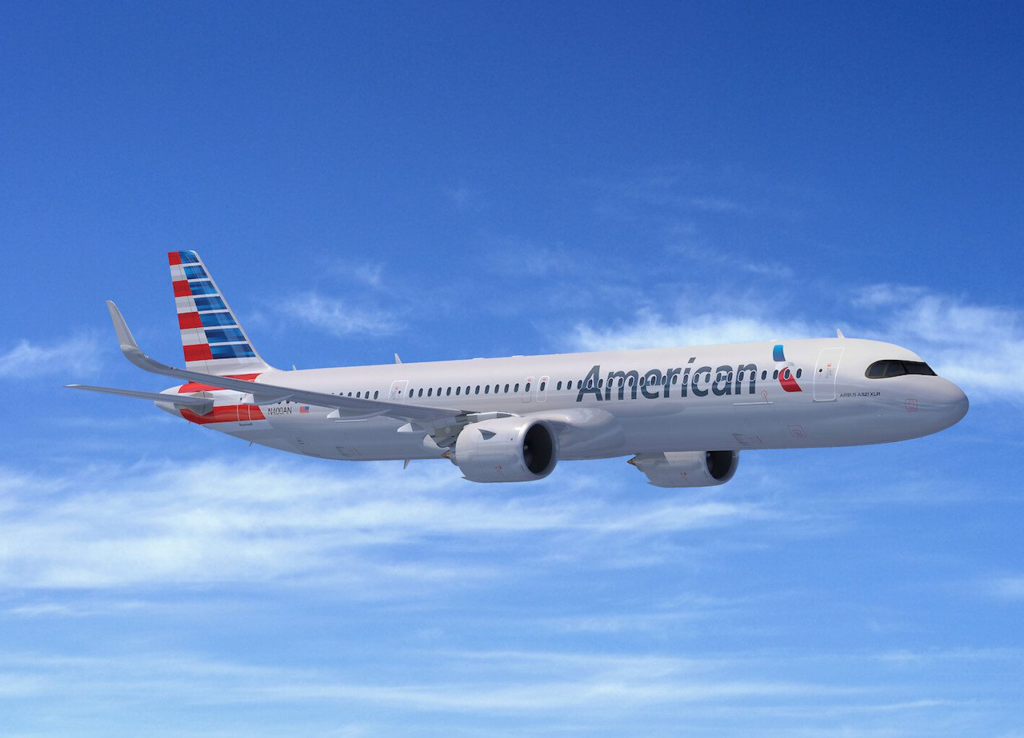
The Airbus A321XLR will play a critical role in transforming American Airlines’ long-haul strategy.
With a maximum range of 4,700 nautical miles, this aircraft will enable connections from mid-sized cities in the U.S. to various European destinations that were previously unreachable by larger jets.
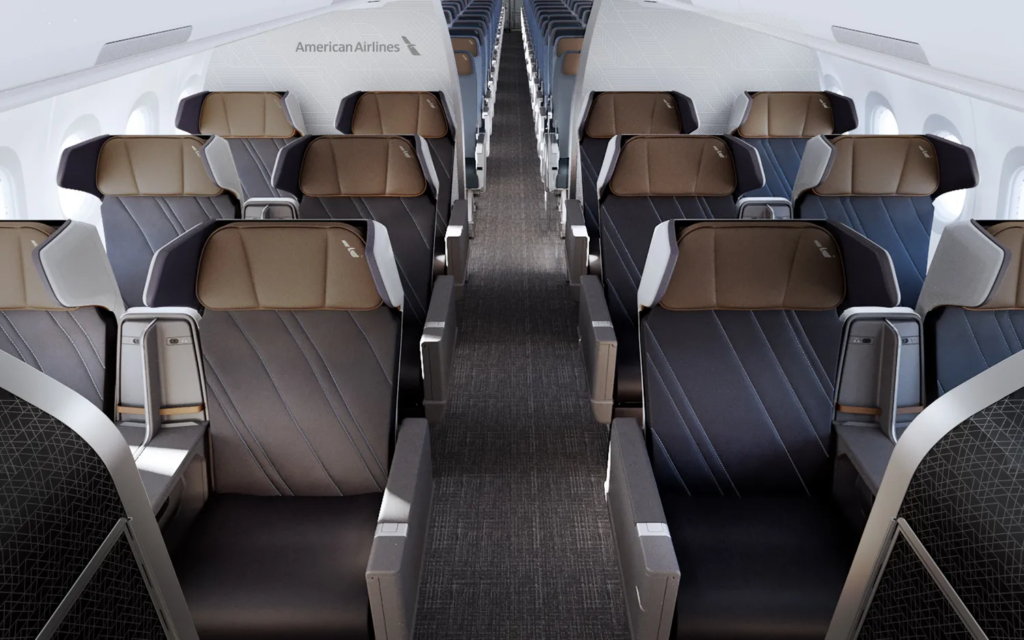
The airline anticipates receiving its first A321XLR by the year’s end, with initial service planned for a domestic flight between New York (JFK) and Los Angeles (LAX). Once cabin configurations and Flagship Business Class installations are complete, the aircraft will transition to transatlantic routes.
Future Route Possibilities
While specific routes have yet to be announced, the A321XLR is likely to target markets with moderate demand rather than traditional hub-to-hub routes. Expected pairings may include:
- Charlotte (CLT) – Edinburgh (EDI) (3,299 nm)
- Miami (MIA) – Milan (MXP) (4,285 nm)
- Philadelphia (PHL) – Naples (NAP) (3,906 nm)
- Philadelphia (PHL) – Milan (MXP) (3,553 nm)
These potential routes highlight American Airlines’ strategy of using smaller, fuel-efficient aircraft to create new connections between secondary cities on both sides of the Atlantic.
Looking Ahead
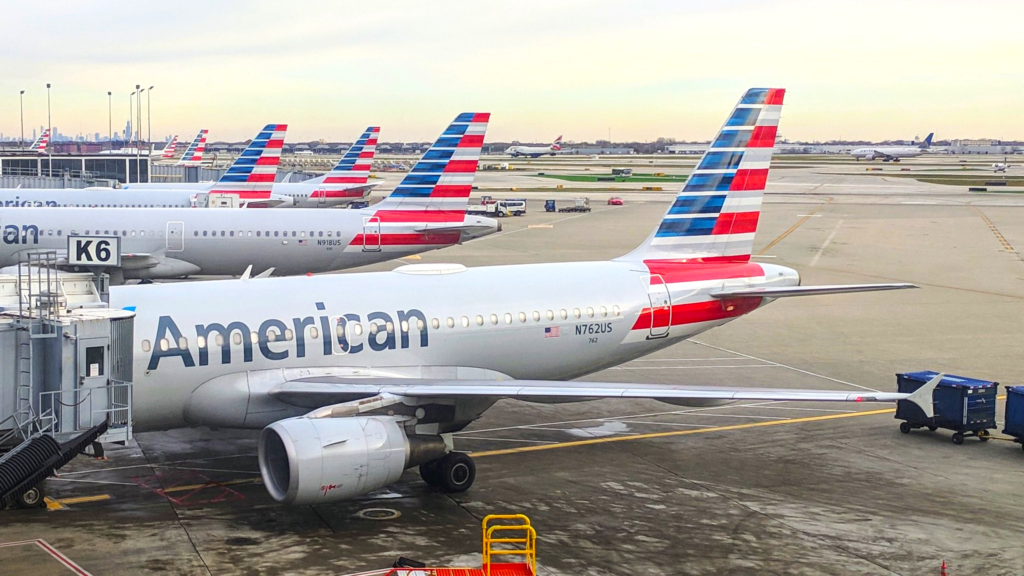
The introduction of the A321XLR marks a significant step in American Airlines’ plans for transatlantic expansion.
By training pilots early and adhering to FAA protocols, the airline is setting itself up for improved operational efficiency and adaptability when the new fleet takes to the skies.
This strategy aligns with a broader industry trend towards leveraging long-range narrowbody aircraft to balance costs with international growth.
What routes are you hoping to see American Airlines introduce with the new A321XLR?