Emirates to Restart Flights from Dubai to Madagascar with Seychelles Stopover

DUBAI- Emirates Airline (EK), recognized as the world’s largest international airline, is set to resume its flights to Madagascar (TNR) this week. This decision comes after a temporary halt due to civil unrest on the island.
In a travel advisory issued on Tuesday, October 21, Emirates announced that it will reinstate its Dubai–Antananarivo route beginning Thursday, October 23. This route will reconnect through Seychelles (SEZ).
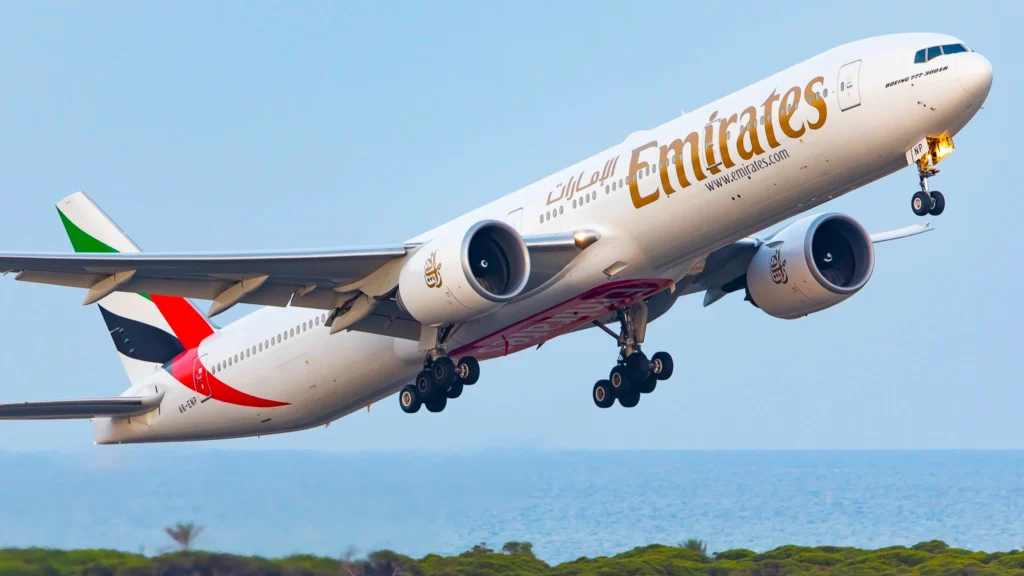
Emirates Resuming Flights to Madagascar
The resumed service will operate under the flight numbers EK707 and EK708, connecting Dubai International Airport (DXB) with Ivato International Airport (TNR) in Antananarivo via Seychelles International Airport (SEZ).
This route typically operates from Tuesday through Sunday each week, facilitating crucial air travel between the Middle East and the Indian Ocean islands.
The return of this service comes after a previous suspension due to unrest in Madagascar earlier this year.
All affected passengers are now encouraged to rebook on the available flights. Those with a final destination in Antananarivo can travel from their points of origin.
Emirates has advised customers impacted by cancellations to reach out to their travel agencies or contact the airline directly for rebooking. Passengers who booked via the Emirates website should ensure their contact information is updated in the Manage Your Booking section to receive important flight information.
The airline apologized for any disruptions experienced and emphasized its ongoing commitment to closely monitor the situation in Madagascar. Emirates aims to ensure passenger safety and operational reliability across its African connections.
Madagascar serves as a vital link for Emirates’ Indian Ocean network, which encompasses locations such as Seychelles (SEZ) and Mauritius (MRU). The DXB–TNR route supports leisure travelers and facilitates trade, providing essential connections for passengers and cargo between Africa and the Middle East.
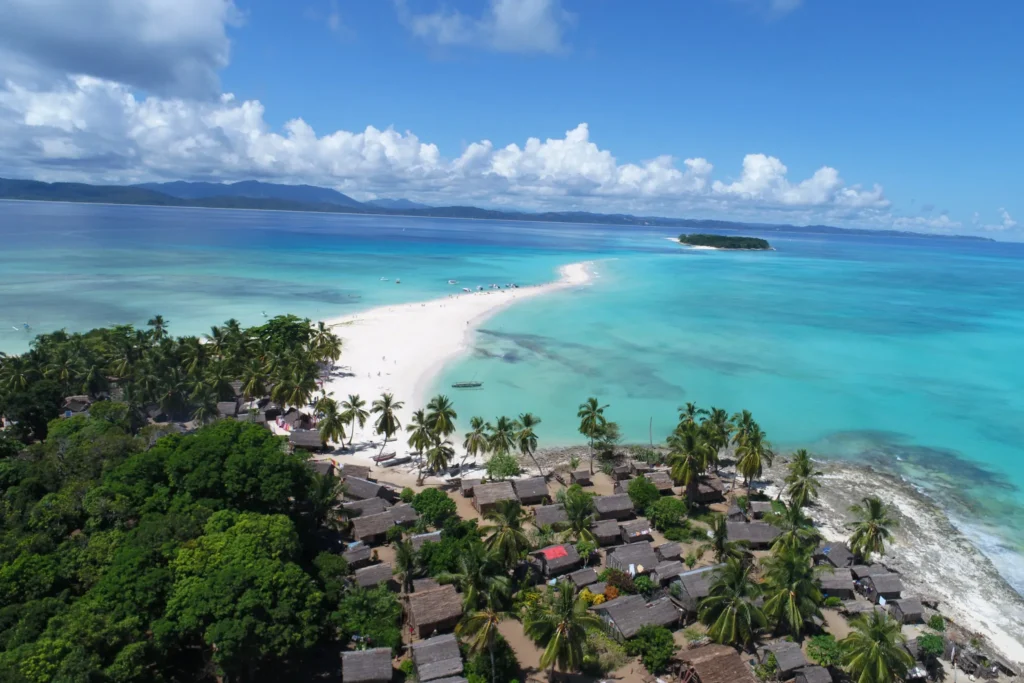
Exploring Madagascar
Madagascar’s diverse landscape features contrasting environments: lush tropical coasts, arid plains, and misty highlands.
The eastern region is rich with rainforests and waterfalls, whereas the western side is characterized by baobab trees and dry reserves. In the central highlands near Antananarivo, terraced rice paddies and traditional settlements exemplify a slower lifestyle.
Travelers often start in the capital before exploring destinations like Andasibe-Mantadia National Park, famed for the indri lemurs, or Morondava’s iconic Avenue of the Baobabs.
Geographical challenges mean that while distances may seem short, travel times can be lengthy due to difficult terrain.
Seasonality significantly influences travel experiences. Cyclones may disrupt plans from January to April, particularly along the coasts. The dry season from June to September is ideal for trekking, wildlife viewing, and whale watching near Île Sainte-Marie. For divers and snorkelers, December offers the best conditions with clearer waters.
Road Travel and Accessibility
Madagascar’s infrastructure is still developing, necessitating flexibility in travel. Even paved roads can be problematic post-rain. It’s often safer to hire a local driver who understands the routes rather than self-driving. Domestic flights operated by Air Madagascar (MD) or Tsaradia (TZ) can help reduce travel durations between major cities like Antananarivo and Toliara (TLE).
Wildlife Watching and Parks
Each national park showcases unique ecosystems. Andasibe-Mantadia is known for its indri population, while Ranomafana National Park is home to golden bamboo lemurs. Kirindy Forest is among the few sites where one can spot the elusive fossa. Timing is key, as animal sightings vary with the seasons and weather.
Culinary Experiences
Madagascar’s cuisine is a delightful mix of local, French, and Asian influences. Coastal regions boast dishes like octopus salad and foza sy hena-kisoa (crab with pork), while the highlands favor hearty zebu stews like romazava. Restaurants in Antananarivo such as La Varangue and Café de la Gare offer French-inspired meals with a local twist.
Cultural Etiquette
Being respectful of local traditions is crucial. Many areas abide by fady—local taboos that vary by community. Visitors should ask locals for guidance before entering sacred sites or taking photographs. Simple gestures like a handshake or small gifts can foster goodwill.
Safety and Practical Travel Info
Though Madagascar is generally friendly, it’s wise for travelers to remain informed through official travel advisories from their home countries. Collaborating with licensed tour guides can enhance safety, particularly in remote regions.
Visas for stays up to 60 days can be obtained upon arrival at Ivato International Airport (TNR), with fees payable in cash (euros or U.S. dollars). ATMs are rare outside major cities, so having small denominations is advisable, while credit cards are mostly accepted at upscale venues.