United Airlines CEO Backs Trump Amid JetBlue Merger Speculations

CHICAGO— United Airlines (UA) CEO Scott Kirby recently spoke at the White House alongside Vice President JD Vance and Secretary of Transportation Sean Duffy, advocating for the unconditional reopening of the U.S. government. His statements aligned United with the administration’s focus on economic stability and aviation continuity.
From Washington D.C. (DCA), Kirby highlighted the challenges facing air traffic control and the airline sector due to the ongoing government shutdown. He called for a “clean continuing resolution,” emphasizing the need for bipartisan support while subtly indicating United’s future ambitions within the aviation industry.
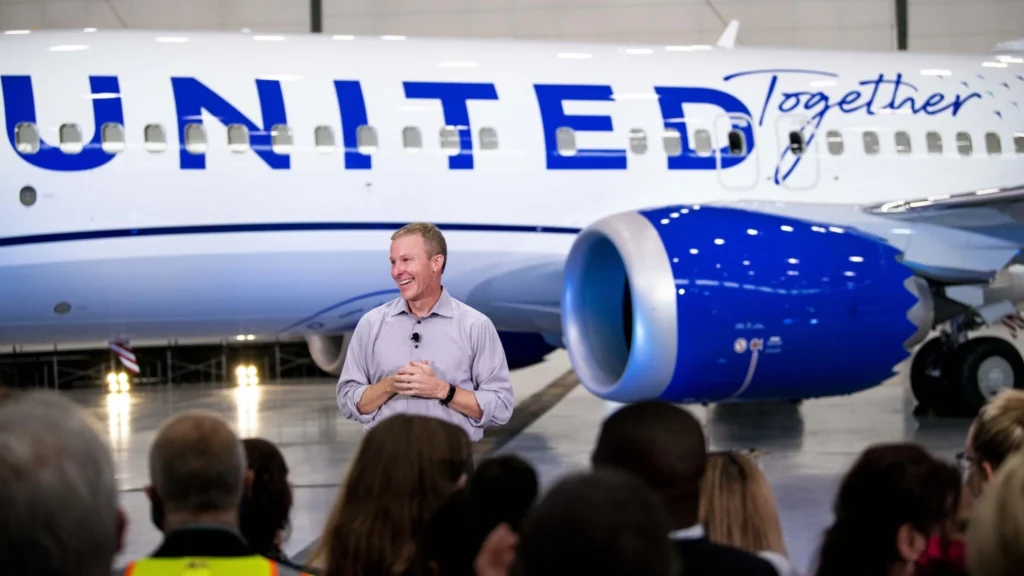
United CEO Aligns with the Administration
Kirby’s presence alongside top officials was significant, signaling both policy endorsement and a strategic political move.
Headquartered in Chicago, United Airlines faces operational hurdles stemming from government inefficiencies and airport congestion, particularly at Newark Liberty International Airport (EWR).
While praising air traffic controllers and FAA personnel, Kirby pointed out the economic fallout of the legislative deadlock. His carefully chosen words reflected a balance of support for the administration’s economic agenda while advocating for the airline’s and its workers’ interests.
Many observers interpreted Kirby’s approach as both diplomatic and strategic, aiming to create advantageous conditions for future regulatory decisions.
Deciphering Kirby’s Motivations
Industry experts are split regarding whether Kirby is yielding to political pressures or directing them in a way that benefits United. Competing airlines, Delta (DL) and American (AA), echoed similar calls for resolving the shutdown, leading some to question if these efforts were government-driven.
However, Kirby’s tone suggests a broader strategy that could enhance United’s competitive position moving forward.
His previous experience at American Airlines indicates a history of bold leadership, aimed at securing strategic growth opportunities for United.
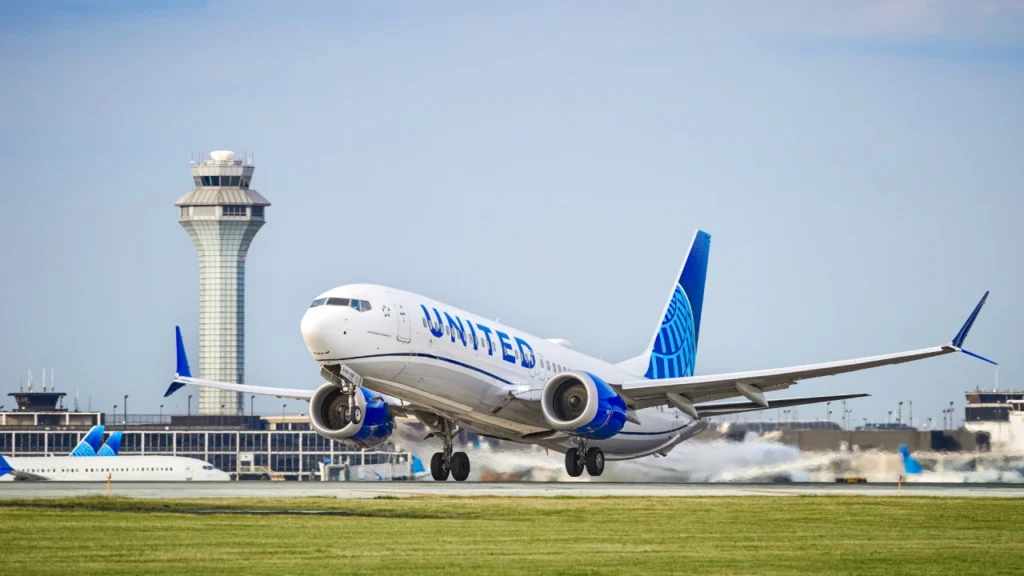
Newark: An Asset and a Challenge
United’s position at Newark Liberty International Airport (EWR) simultaneously represents both a strength and a limitation. Regulatory restrictions on flights have capped growth, while also safeguarding United’s market share by limiting competitors.
Though initially costly, Kirby’s management of Newark’s congestion issues ultimately fortified United’s market position, converting operational constraints into a competitive advantage.
Despite occasional challenges to profitability, United’s stronghold on the New York–New Jersey market has it well-positioned for potential eastward expansion, especially with possible merger opportunities on the horizon.
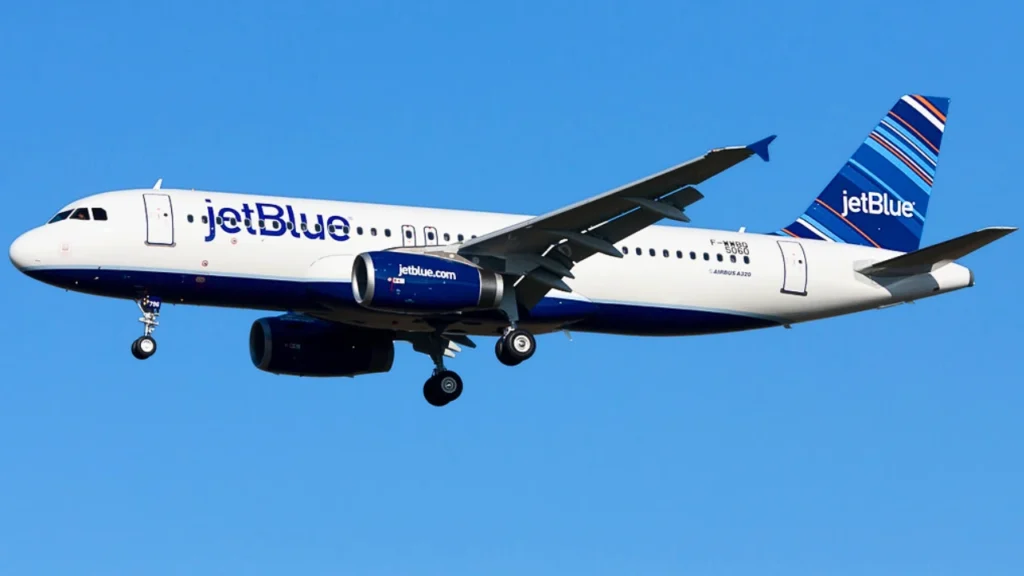
The JetBlue Connection
Kirby’s overarching strategy heavily involves JetBlue Airways (B6). As JetBlue grapples with financial instability and regulatory hurdles following its failed merger with Spirit Airlines (NK), its assets—aircraft, slots at New York JFK, and trained personnel—represent a significant growth opportunity for United.
Analysts, including JPMorgan’s Jamie Baker, see JetBlue as a valuable acquisition candidate. United is positioned well to merge JetBlue’s Northeast operations with its own at Newark, potentially paving the way for growth in Boston (BOS) as well.
Kirby’s collaboration with the current administration could provide leverage if discussions about a merger take shape. A partnership between United and JetBlue could transform domestic competition, leading to a more expansive East Coast network under one of the major carriers.

Outlook: A Potential Merger?
No formal proposals have surfaced yet, but indications of a merger are apparent. Kirby’s public position aligns well with administration messaging, likely setting a favorable tone for regulatory considerations.
As the political landscape merges with United’s long-term strategy, analysts anticipate that Kirby will continue reinforcing United’s role in U.S. aviation as critical and loyal.
If successful, this collaboration could redefine airline partnerships and route structures by 2029. Whether this strategy is visionary or overly ambitious remains to be seen, but one thing is clear: Kirby intends to play the long game.