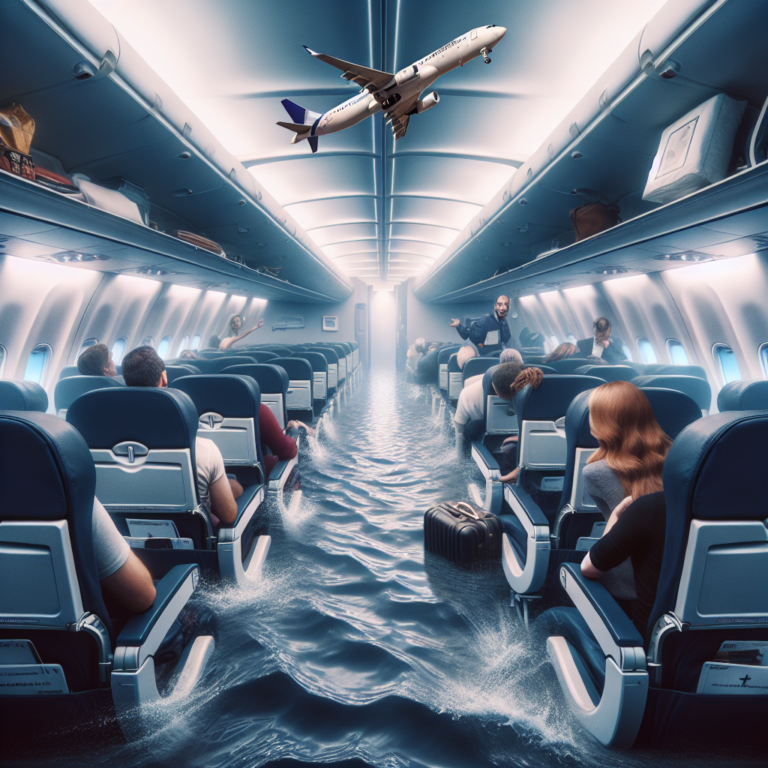
Air France A350 Stopped from Flying at This Airport

PARIS- Air France (AF) made an unexpected return to Buenos Aires Ezeiza International Airport (EZE) due to reports of smoke and a strong odor from both passengers and crew shortly after takeoff. The flight was on its way to Paris Charles de Gaulle (CDG) when it turned back roughly 35 minutes into the journey as a precaution for safety.
The Airbus A350 departed Buenos Aires on an overnight flight to Paris when the crew declared a Pan Pan, which indicates an urgent situation that is not life-threatening. Passengers described a peculiar smell before light smoke was spotted in the cabin.
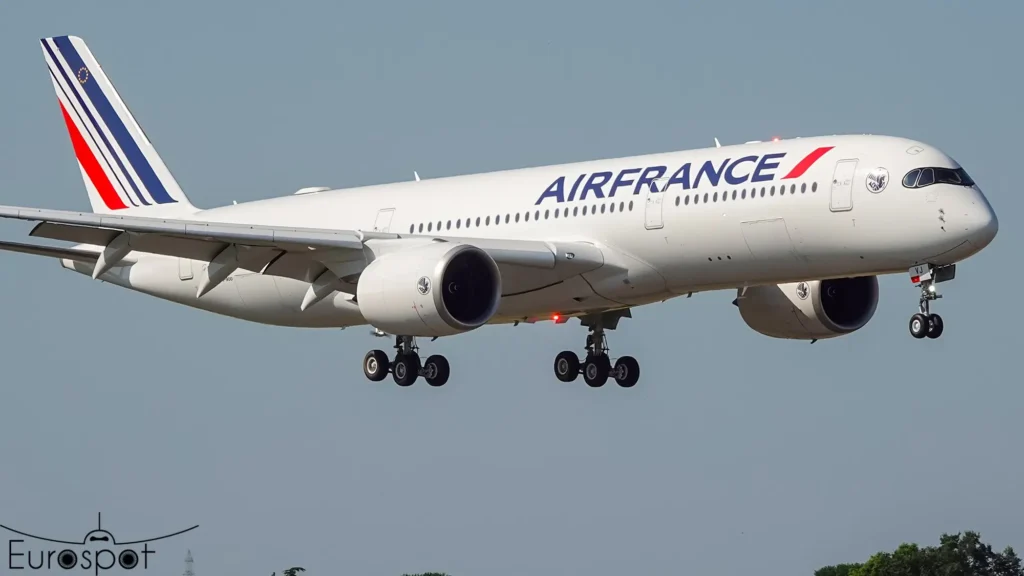
Air France A350 Grounded
As the aircraft ascended through approximately 17,000 feet, the crew swiftly executed the Pan Pan call to address the issue. The A350 landed safely on Runway 11, where emergency teams were poised for action.
Air France reported that the crew identified a hot smell in both the cockpit and cabin, leading them to return to EZE for a thorough inspection. Ground crews assisted the passengers and arranged alternative travel options. The airline reiterated that the safety of its customers and crew is paramount.
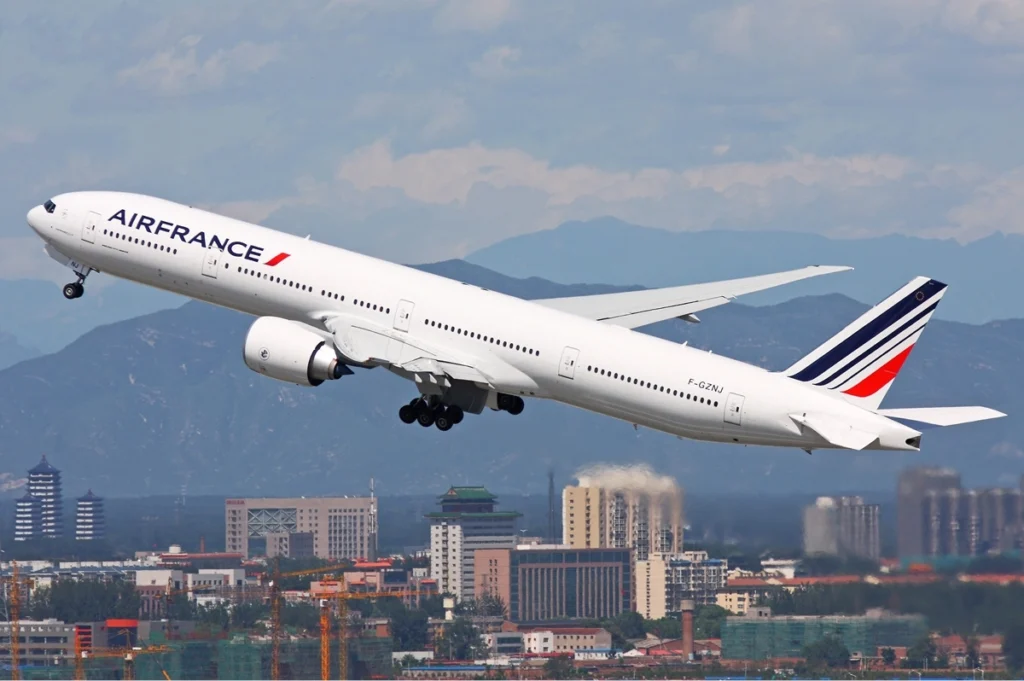
Flight Timeline and Passenger Accounts
AF411 was slated for departure from Buenos Aires at 22:40 but took to the skies at 23:16 instead. Moments later, passengers detected a strange odor, which some speculated was originating from the lighting units, although this has yet to be confirmed independently.
After returning, the crew canceled the flight, allowing maintenance teams to conduct a comprehensive technical evaluation of the aircraft.
The Airbus A350 remained at EZE for necessary assessments. Air France runs a double daily service from Buenos Aires to Paris, utilizing both the Boeing 787-9 on AF471 and the A350-900 on AF411. This situation mirrored a similar incident earlier in the month involving another Air France A350 that diverted due to odor concerns while en route from Paris to Seoul.
The aircraft in question, an Airbus A350-900, is registered as F-HTYT. In service for over three years, it is equipped with Rolls-Royce Trent XWB 84 engines and has a seating capacity for 324 passengers distributed across three cabin classes. It was integrated into the fleet in late 2022 after undergoing test flights under Airbus registration F-WWDW.
Currently, Air France has 39 A350s in their fleet, with orders for an additional 49 A350 900s and three A350-1000s. The A350 model is gradually replacing older aircraft types, including the A330-200, 777-200ER, and selected 777-300ER planes.
The wider Air France KLM group operates various subsidiaries and holds minority stakes in multiple airlines throughout Europe, Africa, and the Indian Ocean region.
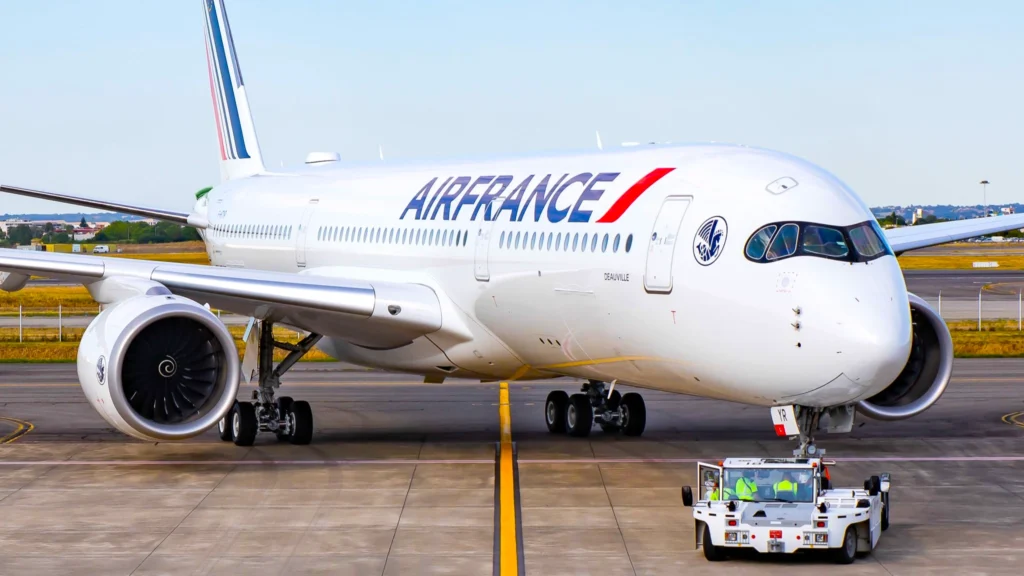
Earlier in the month, a separate flight bound for Seoul from Paris made a diversion to Munich when crew members detected fumes and a burning smell in the cockpit.
That aircraft remained grounded for maintenance, and a replacement Boeing 777-300ER continued the journey to Incheon (ICN).
Industry reports highlight a growing trend of odor-related incidents in cockpits and cabins, leading to increased scrutiny from airlines and regulatory bodies. What are your thoughts on this safety trend within the airline industry?