New DGCA Regulations Address Pilot and Cabin Crew Fatigue Issues

NEW DELHI- The Directorate General of Civil Aviation (DGCA) has introduced new mandatory fatigue-management guidelines for airlines. These directives mandate that all carriers conduct a minimum of one hour of annual training on fatigue and its impacts for both pilots and cabin crew.
This initiative was triggered by a meeting in New Delhi, which involved airline operators and pilot associations aimed at reassessing duty-hour limits and rest practices. The regulator convened this meeting after allowing additional night landings and extended duty hours on selected long-haul flights, notably Boeing 777 services.
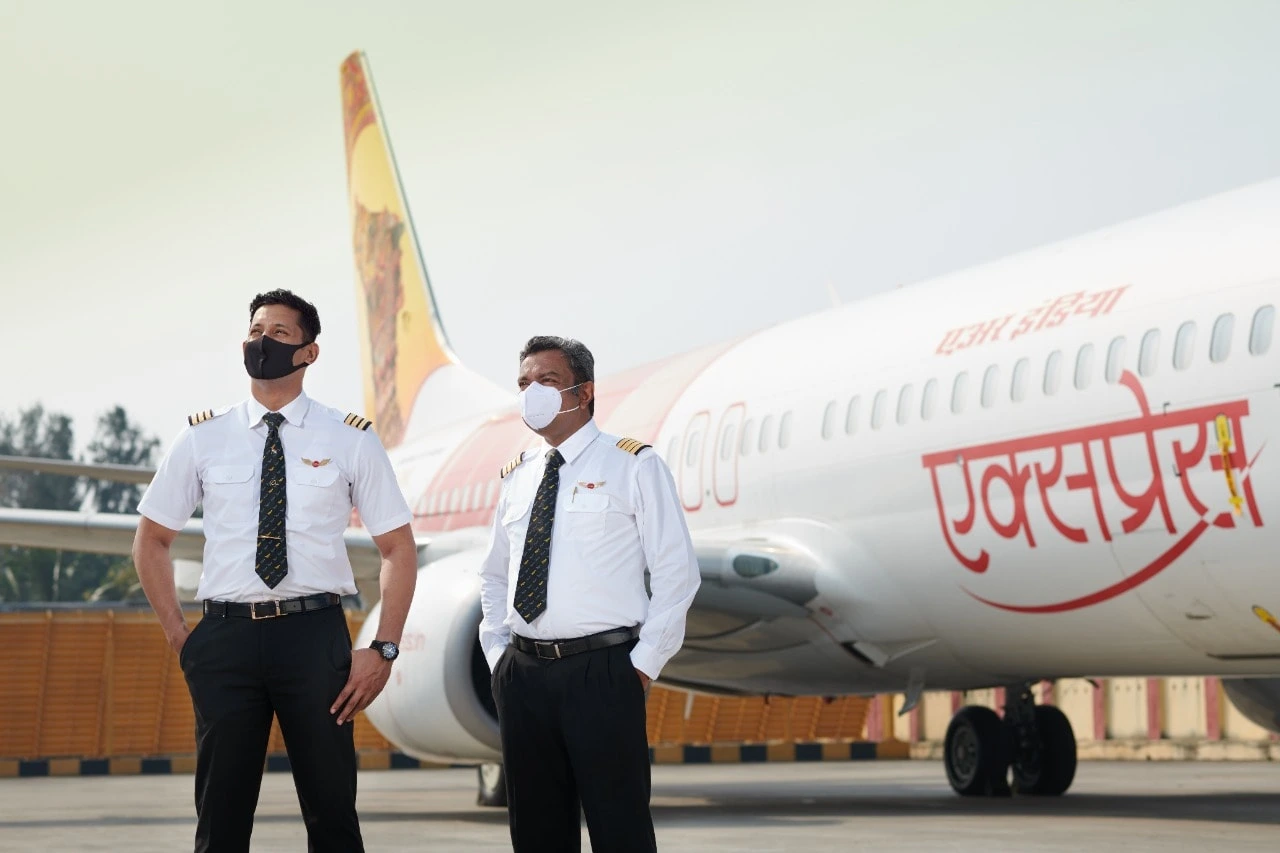
DGCA’s New Fatigue Management Guidelines
According to the new policy, the annual training must encompass various critical subjects. Airlines are obliged to educate their staff about regulations concerning flying hours, duty periods, and rest intervals, along with the science of sleep and the factors that disrupt circadian rhythms.
Crew members will also gain insights into the underlying causes of fatigue, including medical conditions, and understand how fatigue can compromise their performance.
The curriculum should include methods for preventing or lessening fatigue, focusing on how lifestyle elements such as diet, exercise, family commitments, and sleep disorders can affect overall rest.
The guidelines will also highlight the consequences of lengthy flights, multiple short flights, and crossing time zones on crew alertness.
Additionally, the DGCA suggests involving flight schedulers and dispatch teams in this training process. Since these roles play a significant part in planning crew duties, their decisions can also impact the risk of fatigue.

Fatigue Reporting and Review Committees
Furthermore, the DGCA mandates that each airline implement a comprehensive fatigue reporting policy. Crew members must have a structured way to report when they experience excessive tiredness without the fear of repercussions.
Each airline is also required to form an independent Fatigue Review Committee to analyze these reports and propose corrective actions.
Airlines need to provide a fatigue report to the DGCA every quarter. These reports must include details about how many crew members underwent training, the number of fatigue reports filed, and the outcomes of these reports.
The DGCA emphasizes that crew should receive a minimum of 24 hours of rest following any fatigue incident, and this time must include at least one local night off if fatigue leave is taken.

Reasoning Behind the New Measures
The DGCA’s recent actions follow a July audit that revealed inconsistencies and confusion regarding existing fatigue regulations among airlines.
Pilot associations have raised alarms that the regulator’s previous easing of duty-time restrictions could impact safety standards.
Previously, the DGCA increased weekly rest periods to 48 hours and placed limits on night landings. While airlines like Air India and IndiGo initially resisted these rules, compliance was enforced following a decision by the Delhi High Court.

Conclusion
The DGCA’s new guidelines represent a significant advancement in promoting aviation safety by systematically addressing crew fatigue.
The measures require formal training, a structured reporting system, and independent oversight through the establishment of Fatigue Review Committees.
By enforcing mandatory rest periods and comprehensive policies, the regulator aims to safeguard against fatigue undermining crew performance and endangering passenger safety.
Are you curious about how these changes will impact air travel safety? Let us know your thoughts!