Boeing’s November 2025: Updates on New Orders and Deliveries

WASHINGTON- Boeing reported a slower pace of aircraft deliveries in November 2025, providing a total of 44 commercial planes to clients worldwide. This figure reveals a significant drop compared to October, further highlighting the growing disparity between Boeing and its main competitor, Airbus.
In contrast, Airbus demonstrated a robust delivery rate, completing 72 aircraft handovers in November despite previous concerns regarding supply chain challenges. The European manufacturer appears poised to achieve close to 800 aircraft deliveries in 2025— a target Boeing is unlikely to meet given its current trajectory.
Boeing’s November Deliveries
Boeing’s total deliveries for November reached 44, a decrease from 53 in October, reflecting a 17% decline from the previous month.
The 737 MAX was predominant in this delivery batch, comprising over two-thirds of the total with 32 jets delivered to 18 airline and leasing clients. Among them, Southwest Airlines (WN) received five jets, while American Airlines (AA), Alaska Airlines (AS), and United Airlines (UA) added new MAX models to their fleets.
Additionally, Boeing completed six deliveries of the 787 Dreamliner, divided between the 787-9 and 787-10 versions. Notably, TAAG Angola Airlines acquired two 787-10 models, while Air Lease Corporation, American Airlines, Oman Air, and Lufthansa each received one Dreamliner.
Furthermore, Boeing delivered four 767 freighters and two 777 freighters, catering to customers such as Turkish Airlines and Aerotranscargo.
Boeing Order Activity
Despite a slowdown in deliveries, Boeing experienced significant order activity, largely driven by the Dubai Airshow 2025. The company secured 126 net new orders, reflecting 164 gross orders along with 38 cancellations.
The 777X program represented over fifty percent of Boeing’s net orders, prominently featuring Emirates’ substantial order for an additional 65 777X aircraft. This single agreement translates to approximately $38 billion at list prices.
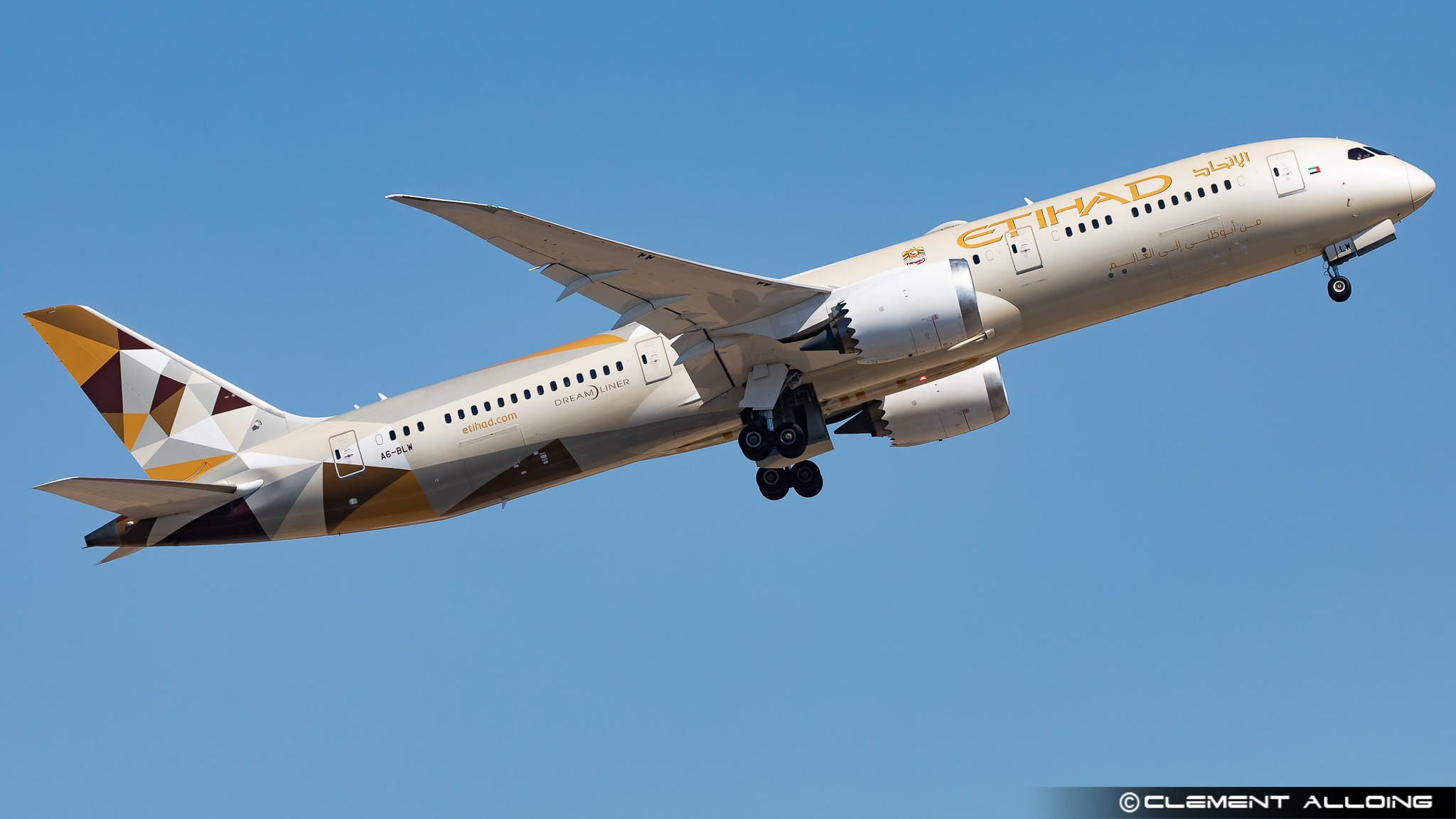
Other airlines also expanded their commitment to widebody aircraft, with China Airlines ordering nine more 777Xs and carriers like Etihad Airways and Gulf Air adding new 787 Dreamliner aircraft.
Boeing’s order momentum signifies persistent long-term demand for widebody models, even amid ongoing delivery challenges.

https://commons.wikimedia.org/wiki/File:20250413_Boeing_787-9_of_Qantas_(VH-ZNI)_taking_off_from_SYD.jpg
Year-to-Date Snapshot
By the end of November, Boeing’s year-to-date delivery count stood at 537 aircraft, with nearly 400 being 737 MAX models.
Despite facing cancellations, Boeing has gathered over 900 net orders in 2025. This steady flow of orders puts Boeing on course to achieve its best annual results since 2018, when the company delivered 806 aircraft.
Airbus, however, has revised its delivery goal for 2025 from 820 to 790 aircraft due to ongoing supply chain issues impacting the A320 program.
Yet, Airbus continues to surpass Boeing in overall deliveries and is expected to maintain its position as the leading commercial aircraft supplier in 2025.
Bottom Line
Boeing’s performance in November reveals a moderate level of delivery activity alongside robust order growth as the year comes to a close.
While the manufacturer is on track for its best annual results in seven years, it still significantly trails Airbus in both monthly and annual deliveries.
As both Boeing and Airbus prepare for 2026 with substantial order backlogs, the stability of production and improvements in the supply chain will play crucial roles in shaping their future performance.
What are your thoughts on how Boeing can improve its delivery performance in the upcoming year?