American Airlines Starts Upgrades on Former Alaska A321neos

American Airlines Begins Retrofit of Airbus A321neo Fleet for Enhanced Passenger Experience
San Antonio, TX – American Airlines (AA) has officially commenced the retrofit of its first Airbus A321neo aircraft, marking a significant step in its strategy to standardize its narrowbody fleet. The initial aircraft, registered as N950XV, has arrived at San Antonio International Airport for modifications. This retrofit is part of a broader initiative to improve operational flexibility and provide a consistent onboard experience for passengers traveling on domestic routes.
The first Airbus A321neo was ferried from Miami International Airport (MIA) to San Antonio last week, according to aviation observer JonNYC. As American Airlines works towards enhancing its fleet, this retrofit program is expected to play a crucial role in streamlining operations.
Alaska Airlines’ A321neo Sale and Fleet Realignment
The ten A321neo aircraft now being retrofitted were previously part of Alaska Airlines’ fleet, which acquired them from Virgin America in 2016. Last year, Alaska Airlines made the strategic decision to sell these planes as part of its long-term plan to focus exclusively on Boeing 737 aircraft. The last revenue flight for Alaska’s A321neo took place on September 30, 2023, marking the end of its dual-fleet model and a significant milestone in its transition to a Boeing-only lineup.
During a recent earnings call on October 19, Alaska Airlines CEO Ben Minicucci highlighted that adopting an all-Boeing fleet will enable the airline to capitalize on cost efficiencies in maintenance, training, and overall fleet management. Alaska’s Vice President of Finance, Emily Halverson, confirmed that the A321neos were acquired from lessors before being transferred to American Airlines, facilitating a smooth transition.
Cabin Harmonization with Oasis Design
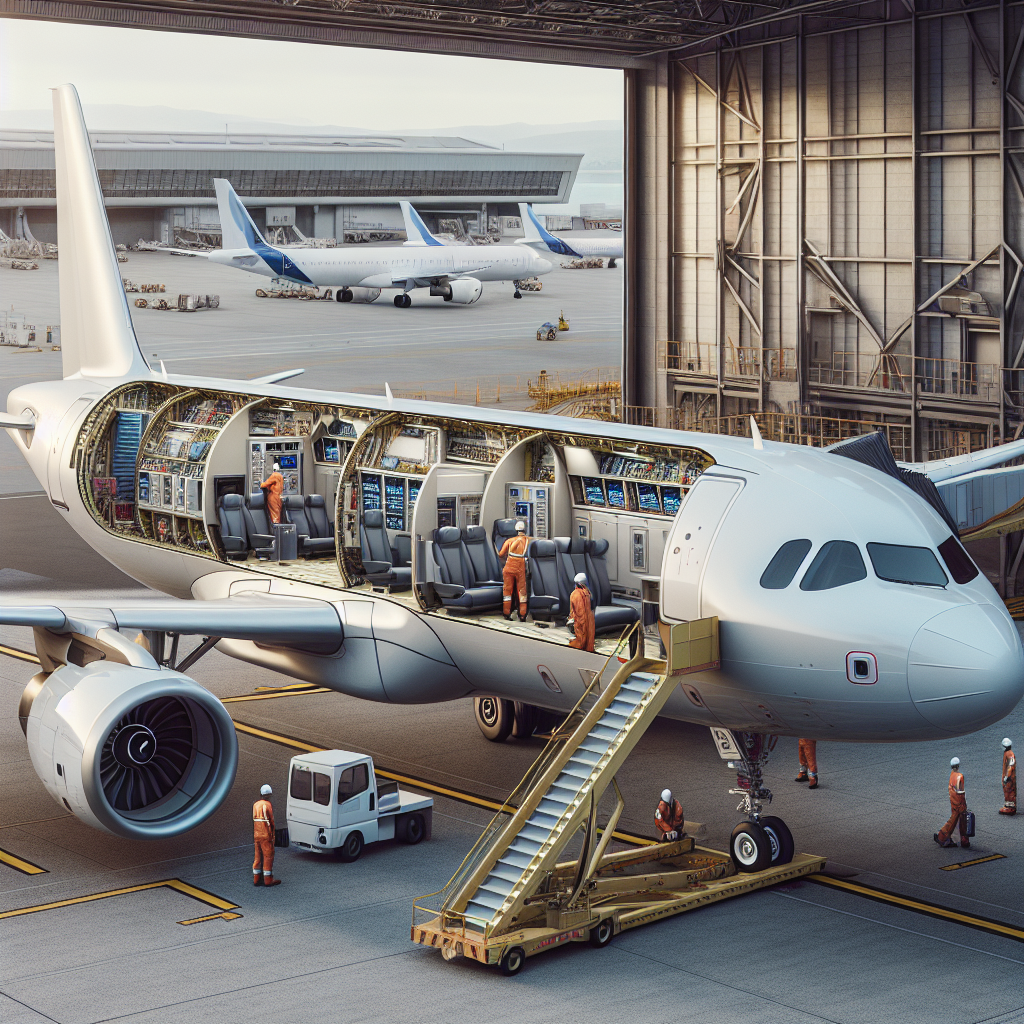
American Airlines is equipping the ex-Alaska A321neos with its Oasis cabin interior, which is already prevalent across much of its narrowbody fleet. The Oasis design features a modern layout, including dark blue seats in the main cabin and gray recliner seats in first class, along with updated bulkheads.
However, this cabin layout has faced criticism for limited legroom and the lack of seatback screens, which some passengers feel diminishes their flying experience. Since the original A321neo configuration lacked these screens, the transition to the Oasis design is not expected to significantly alter passenger expectations.
Despite the cabin upgrades, American’s ex-Alaska A321neos will retain structural differences from other aircraft in its fleet. These early-production jets lack Airbus’s Cabin Flex (ACF) configuration, which affects exit placement and allows newer A321neos to accommodate up to 196 passengers, as reported by Simple Flying. The ex-Alaska jets, with their conventional eight-exit layout, can hold a maximum of 190 seats, aligning with American’s A321ceo configurations and simplifying aircraft scheduling.
Next Steps in the Retrofit Program
Following the retrofit of the N950XV, American Airlines will proceed with modifications on the remaining nine aircraft. Each retrofit is expected to take several weeks, underscoring American’s commitment to delivering a unified cabin experience across its A321neo and A321ceo fleets. This initiative aims to create a more efficient and flexible fleet that meets the evolving needs of its network.
As American Airlines continues to enhance its fleet, readers are encouraged to share their thoughts or explore related articles on the airline’s fleet strategies and cabin developments. For further details on American Airlines’ operations, check out Simple Flying’s coverage on aircraft configurations or Alaska Airlines’ recent fleet changes.