Navigating the Skies: A Comprehensive Guide to Airline Baggage Policies

Navigating the skies can be an exciting experience, but it often comes with its own set of challenges, particularly when it comes to understanding airline baggage policies. Each airline has its own set of rules regarding baggage, which can vary significantly. Knowing these policies can save you time, money, and stress at the airport. In this comprehensive guide, we’ll explore everything you need to know about airline baggage policies, ensuring that your journey is smooth and hassle-free.
Understanding Airline Baggage Policies
Airline baggage policies are essential for travelers to comprehend as they can greatly influence your travel experience. These policies dictate the number of bags you can bring, their size and weight limits, and the fees associated with excess baggage. Here’s a breakdown of the key components of airline baggage policies:
Carry-On Baggage
Most airlines allow passengers to bring one carry-on bag and one personal item onboard. Here are some general guidelines:
- Size Limits: Typically, carry-on bags should not exceed 22 x 14 x 9 inches (56 x 36 x 23 cm).
- Weight Limits: Some airlines enforce weight limits, usually around 15-25 pounds (7-11 kg).
- Personal Items: Examples include a handbag, laptop bag, or backpack.
Checked Baggage
Checked baggage policies can vary widely among airlines. Here’s what to look out for:
- Number of Bags: Most airlines allow at least one free checked bag on international flights, while domestic flights may vary.
- Weight Limits: The standard weight limit for checked bags is usually 50 pounds (23 kg), with fees for overweight bags.
- Size Limits: Dimensions often should not exceed 62 linear inches (157 cm) when adding length, width, and height.
Additional Fees and Charges
Understanding potential fees is crucial for budget-conscious travelers. Common charges include:
- Excess Baggage Fees: If you exceed the allowed number of bags or weight limits.
- Special Item Fees: For oversized items like sports equipment or musical instruments.
- Baggage Insurance: Some travelers opt for insurance to cover lost or damaged baggage.
Tips for Navigating Airline Baggage Policies
- Check Airline Websites: Always review the specific baggage policy on the airline’s official website before traveling.
- Weigh Your Bags: Invest in a portable luggage scale to avoid surprises at the airport.
- Pack Smart: Opt for packing cubes to maximize space and organization.
- Consider Alternatives: Use shipping services for large items to save on baggage fees.
Resources for Further Information
For more information on specific airlines, consider visiting their official websites or using resources like the International Air Transport Association (IATA) for standardized guidelines.
Conclusion
Understanding airline baggage policies is a crucial part of preparing for your travels. By familiarizing yourself with the rules and fees associated with your airline, you can avoid unexpected costs and ensure a smoother journey. Whether you’re a frequent flyer or planning your first trip, knowing the ins and outs of baggage policies empowers you to travel with confidence.
Frequently Asked Questions (FAQs)
1. How can I find out the baggage policy for my airline?
Most airlines have their baggage policies listed on their official websites, often under a section labeled ‘baggage’ or ‘travel information’.
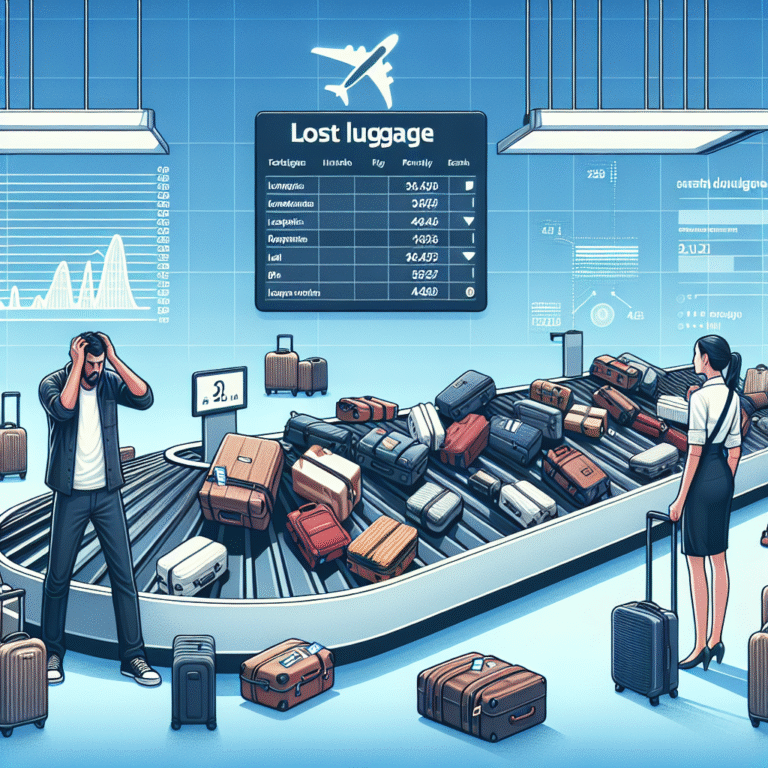
2. What should I do if my baggage is lost?
Report the loss to the airline’s baggage service desk immediately. They will guide you through the process of tracking and possibly compensating you for your lost luggage.
3. Can I bring snacks in my carry-on?
Yes, most airlines allow snacks in your carry-on, but be sure to check restrictions on liquids and gels.
Feel free to share your thoughts or experiences regarding airline baggage policies, and don’t hesitate to check out our related articles for more travel tips!