Cleared for Takeoff: The Environmental Cost of Air Travel

Introduction
Air travel has transformed the way we connect with the world, offering unparalleled convenience and speed. However, with the rise in global air traffic comes a pressing concern: the environmental cost of air travel. As we jet off to distant destinations, it’s crucial to consider the impact our flights have on the planet. In this article, we’ll explore the hidden costs of air travel, focusing on its contribution to greenhouse gas emissions, resource consumption, and potential solutions for a more sustainable future.
The Environmental Impact of Air Travel
Air travel is a significant contributor to climate change. According to the International Air Transport Association (IATA), aviation accounts for approximately 2-3% of global CO2 emissions. This figure may seem small, but the growth in air traffic means that the impact is likely to increase if no action is taken.
Carbon Emissions from Flights
- Fuel Consumption: Airplanes consume vast amounts of fossil fuels, releasing carbon dioxide and other pollutants into the atmosphere.
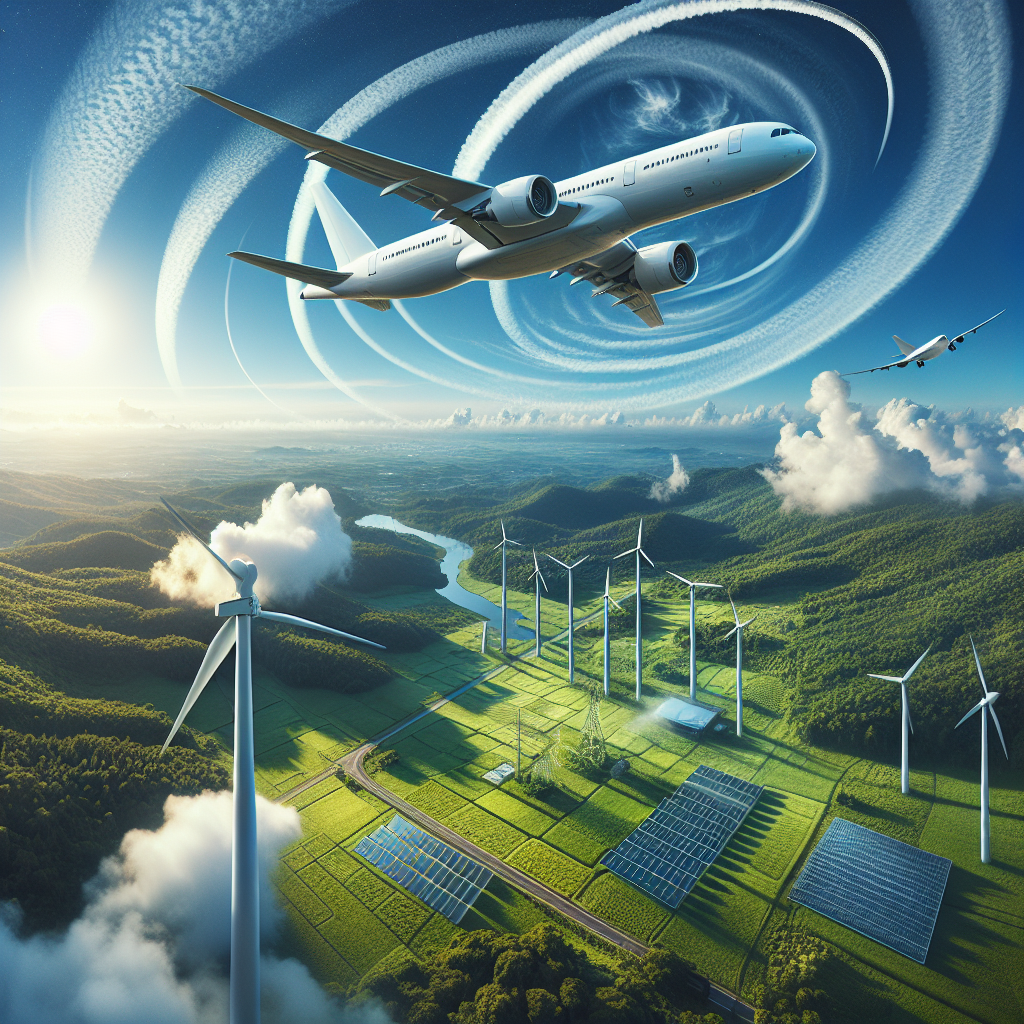
- High Altitude Effects: Emissions from aircraft at cruising altitude create contrails and cirrus clouds, which can trap heat and exacerbate global warming.
Resource Use and Waste Generation
The environmental cost of air travel extends beyond emissions. The aviation industry consumes substantial resources and generates significant waste.
- Water Usage: Aircraft manufacturing and airport operations require large amounts of water.
- Waste Production: Airports produce substantial waste, including food, plastics, and other materials that often end up in landfills.
Mitigating the Environmental Impact
Recognizing the environmental cost of air travel, industry stakeholders are exploring various strategies to mitigate these effects.
Sustainable Aviation Fuels (SAF)
- What Are They?: SAF are biofuels refined from renewable resources that can significantly reduce carbon emissions.
- Current Usage: While still in the early stages of adoption, many airlines are investing in SAF to lessen their environmental footprint.
Technological Innovations
- More Efficient Aircraft: The development of newer, more fuel-efficient aircraft can reduce emissions per passenger.
- Electric and Hybrid Aircraft: Innovations in electric and hybrid technology promise to revolutionize short-haul flights.
Alternatives to Air Travel
For shorter distances, consider alternatives to flying:
- Train Travel: Trains often have a lower environmental impact than planes.
- Carpooling: Sharing rides reduces the number of vehicles on the road, leading to lower emissions.
Conclusion
As air travel continues to grow, understanding its environmental cost becomes increasingly important. By acknowledging the impacts and exploring sustainable options, we can work towards a future where traveling by air is both convenient and environmentally responsible.
FAQs
-
What is the environmental cost of one flight?
The environmental cost varies depending on the distance, aircraft type, and number of passengers. On average, a round-trip flight can generate over a ton of CO2 per passenger. -
Are there airlines that prioritize sustainability?
Yes, many airlines are investing in sustainable aviation fuels and more efficient aircraft to reduce their carbon footprint. -
How can I offset my carbon footprint when flying?
Look into carbon offset programs offered by airlines or independent organizations that invest in renewable energy or reforestation projects. - What are some steps I can take to travel more sustainably?
Consider alternatives to flying, such as trains or buses for shorter trips, choose airlines that prioritize sustainability, and reduce unnecessary travel when possible.
If you have thoughts on the environmental cost of air travel or want to learn more about sustainable travel options, feel free to share your insights in the comments below! For further reading on related topics, check out our articles on sustainable travel practices and the future of aviation.