Air Canada Fined $10K for Disrupting Couple’s Trip

Air Canada Ordered to Compensate Couple for Vacation Nightmare: A Landmark Ruling
In a significant ruling by the Small Claims Court of Yukon, Air Canada has been ordered to compensate a couple with $10,000 for a disastrous vacation experience caused by the airline’s repeated failures. This case highlights the importance of adhering to the Air Passenger Protection Regulations (APPR) and serves as a cautionary tale for travelers relying on airlines for timely and effective service.
Air Canada’s Breach of Regulations
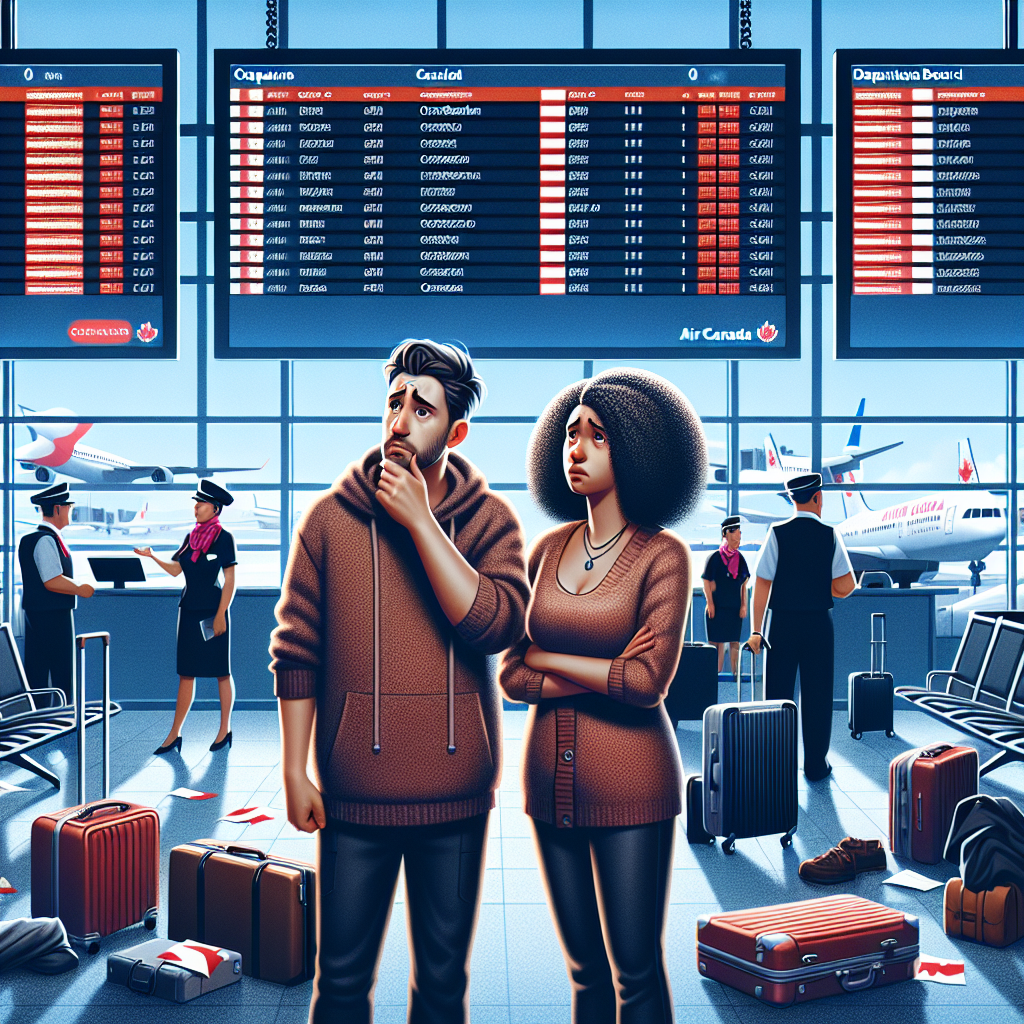
The couple, who had meticulously planned their first child-free vacation for three years, faced a harsh reality when they arrived at Toronto Pearson International Airport for their flight to Cuba. Their dream getaway quickly turned into a nightmare as they discovered that their flight was overbooked. Air Canada offered compensation to passengers willing to relinquish their seats, assuring them that alternative travel arrangements would be provided. However, this promise was soon proven false.
- The airline officially recognized the situation as a "denial of boarding" incident.
- After accepting the offer, the couple found themselves stranded, with no alternative flights available.
- Over the next three days, they were shuttled between multiple airports in Canada without any legitimate travel solutions.
Despite Air Canada’s claim of arranging tickets on an Air Transat flight, the couple found no record of their booking upon arrival at the airline’s information desk. In a desperate attempt to salvage their vacation, they ended up purchasing tickets to Cancun, Mexico, which not only caused additional stress but also resulted in lost income due to missed work.
Court’s Strong Criticism of Air Canada
Justice Katherine L. McLeod delivered a scathing critique of Air Canada’s handling of the situation, emphasizing the airline’s failure to comply with the Air Passenger Protection Regulations. The court underscored that Air Canada did not provide written confirmation of alternative travel arrangements, which is a requirement for passengers who voluntarily give up their seats.
- Air Canada’s defense, citing weather-related delays and the $2,400 compensation per passenger, was rejected by the court.
- The judge ruled that the reimbursement of $1,800 for hotel and food expenses was insufficient to cover the couple’s total financial losses, including new flight bookings and lost wages.
Plaintiff Tosh Southwick expressed satisfaction with the ruling, noting its potential to set a precedent for future disputes regarding air passenger rights. This case emerges during a time when more than 80,000 air passenger complaints are pending with the Canadian Transportation Agency.
Navigating Canada’s Complex Compensation Rules
Canada’s air travel compensation regulations can be daunting for passengers seeking justice after disruptions. Established in 2019, these regulations mandate compensation for delays within an airline’s control, such as overbooking. However, airlines can often evade responsibility by citing external circumstances.
Proposed updates to these regulations in 2023 aim to strengthen passenger rights by requiring airlines to compensate for disruptions unless they can demonstrate "exceptional circumstances." Despite these intentions, a definitive timeline for the implementation of the new rules remains unclear, as confirmed by a spokesperson from the Transportation Agency.
Justice McLeod’s ruling also criticized Air Canada’s reliance on automated systems, stressing the importance of human oversight in travel issue resolution. She argued that proper human intervention could have significantly mitigated the couple’s ordeal.
Conclusion and Next Steps
This landmark decision not only highlights the responsibilities of airlines under the Air Passenger Protection Regulations but also serves as a reminder for travelers to be informed of their rights. Have you experienced similar issues with air travel? We invite you to share your thoughts in the comments and explore related articles for more insights on passenger rights and airline responsibilities. For further reading on air travel regulations, visit the Canadian Transportation Agency’s official site here.