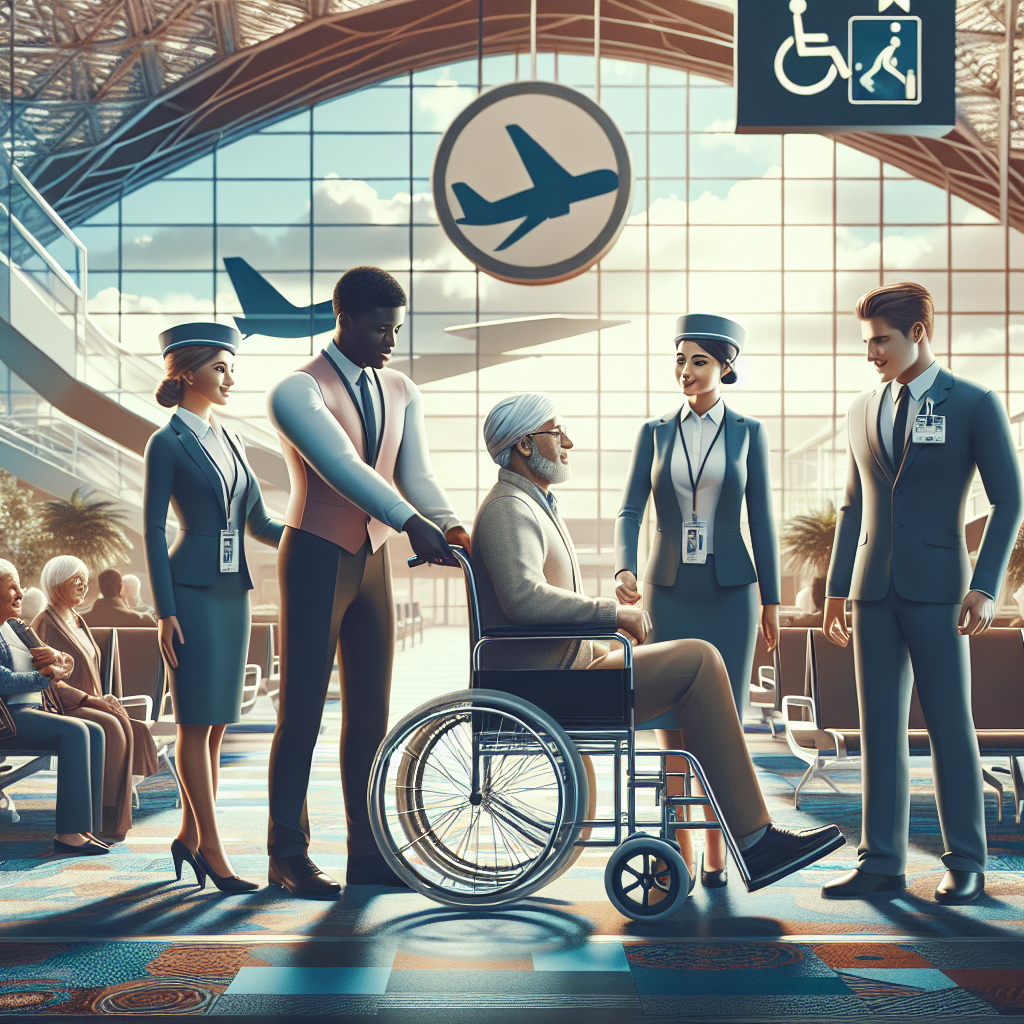
DOT Introduces New Protections for Disabled Airline Passengers

New Protections for Airline Passengers with Disabilities: What You Need to Know
The U.S. Department of Transportation (DOT) has announced significant new protections for commercial airline passengers with disabilities, aiming to enhance their travel experience. This new final rule, unveiled by U.S. Transportation Secretary Pete Buttigieg on December 16, 2024, establishes rigorous standards for airlines, particularly focusing on accommodating passengers who use wheelchairs. These changes are designed to ensure a safe and dignified travel environment for all passengers with mobility challenges.
Key Features of the New Airline Regulations
The recently introduced regulations mandate that airlines provide “safe and dignified” assistance to travelers with disabilities. The DOT defines safe assistance as support that minimizes the risk of bodily injury, while dignified assistance respects the independence and privacy of passengers. Here are some of the critical components of the new rule:
-
Annual Employee Training: All airline staff and contractors who assist passengers with mobility disabilities or handle wheelchairs must complete mandatory training by June 17, 2026. This training focuses on providing effective and respectful support.
-
Prompt Assistance: Airlines must ensure timely help for passengers during boarding, deplaning, and connecting flights. Staff are also required to facilitate access to personal wheelchairs as close to the aircraft door as possible.
-
Conditions for Assistive Devices: Airlines must return all checked wheelchairs and assistive devices in the same condition they were received. If a passenger’s wheelchair or scooter is delayed, airlines must reimburse transportation costs related to the delay.
-
Delivery Timelines: The new rule specifies that airlines should deliver delayed wheelchairs or scooters to passengers within 24 hours for domestic flights and within 30 hours for international flights.
- Rebooking Policies: If a passenger’s wheelchair or scooter is not loaded onto their scheduled flight, airlines are required to offer rebooking on the next available flight at no additional cost.
Implications for Passengers with Disabilities
This groundbreaking rule represents a significant step forward in enhancing air travel for individuals with disabilities. By implementing these rigorous standards, the DOT aims to hold airlines accountable for providing fair treatment and ensuring that all passengers can travel safely and with dignity.
The new regulations will take effect on January 16, 2025, giving airlines time to adjust their policies and practices accordingly. For more information on the implications of these changes, visit the U.S. Department of Transportation’s website.
Conclusion: A Step Towards Inclusive Air Travel
These new protections are a vital move toward making air travel more accessible for passengers with disabilities. As airlines prepare to implement these changes, it’s essential for all travelers to stay informed about their rights and the resources available to them.
What are your thoughts on these new regulations? Share your experiences or read more related articles to stay updated on air travel policies.