Air India Introduces Adaptive Work Model for Pilots

NEW DELHI– The Tata Group’s Air India has introduced a new program called the “Flexi Contract for Pilots.” This initiative allows pilots from select fleets to opt for shorter duty schedules while ensuring operational efficiency. The aim is to align the preferences of pilots with the demands of the fleet without compromising service quality.
This program is applicable to Line Pilots and Line Training Captains specifically working on the Airbus A320, Boeing 777, and Airbus A350 fleets. However, Junior First Officers, Type Rating Instructors, and Direct Entry pilots are not part of this arrangement.
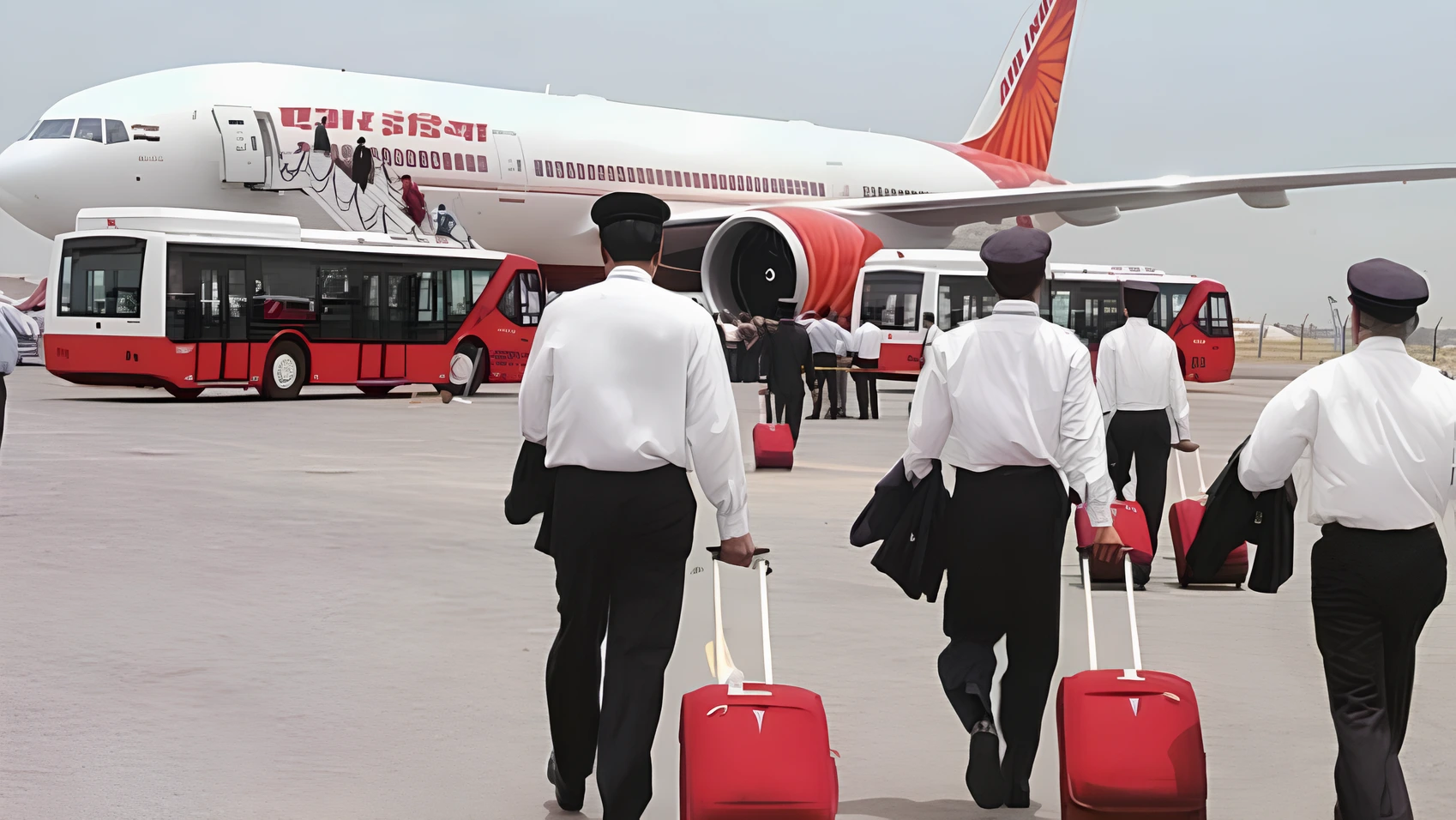
Air India Pilots’ New Model
With the new model, pilots operating wide-body aircraft will follow a duty pattern of 15 days on and 15 days off. Additionally, they are entitled to eight privilege leave days and four sick leave days each year.
Narrow-body pilots will adhere to a 20-day-on and 10-day-off schedule, which includes 12 privilege leave days and six sick leave days annually.
The contract duration spans 12 months, with an option for extension at the airline’s discretion. After completing the tenure, pilots typically revert to their original contract terms.
The rollout will occur in two phases: starting in January 2025 and again in March 2025. The airline has earmarked specific slots for pilots across various bases, including 50 A320 slots in Bengaluru, Delhi, and Hyderabad, 30 Boeing 777 slots mainly in Mumbai and Bengaluru, and 20 A350 slots in Delhi.
First officers will also have designated slots across these aircraft: 20 A320 slots and 70 Boeing 777 slots, with A350 allocations to be determined for Delhi.
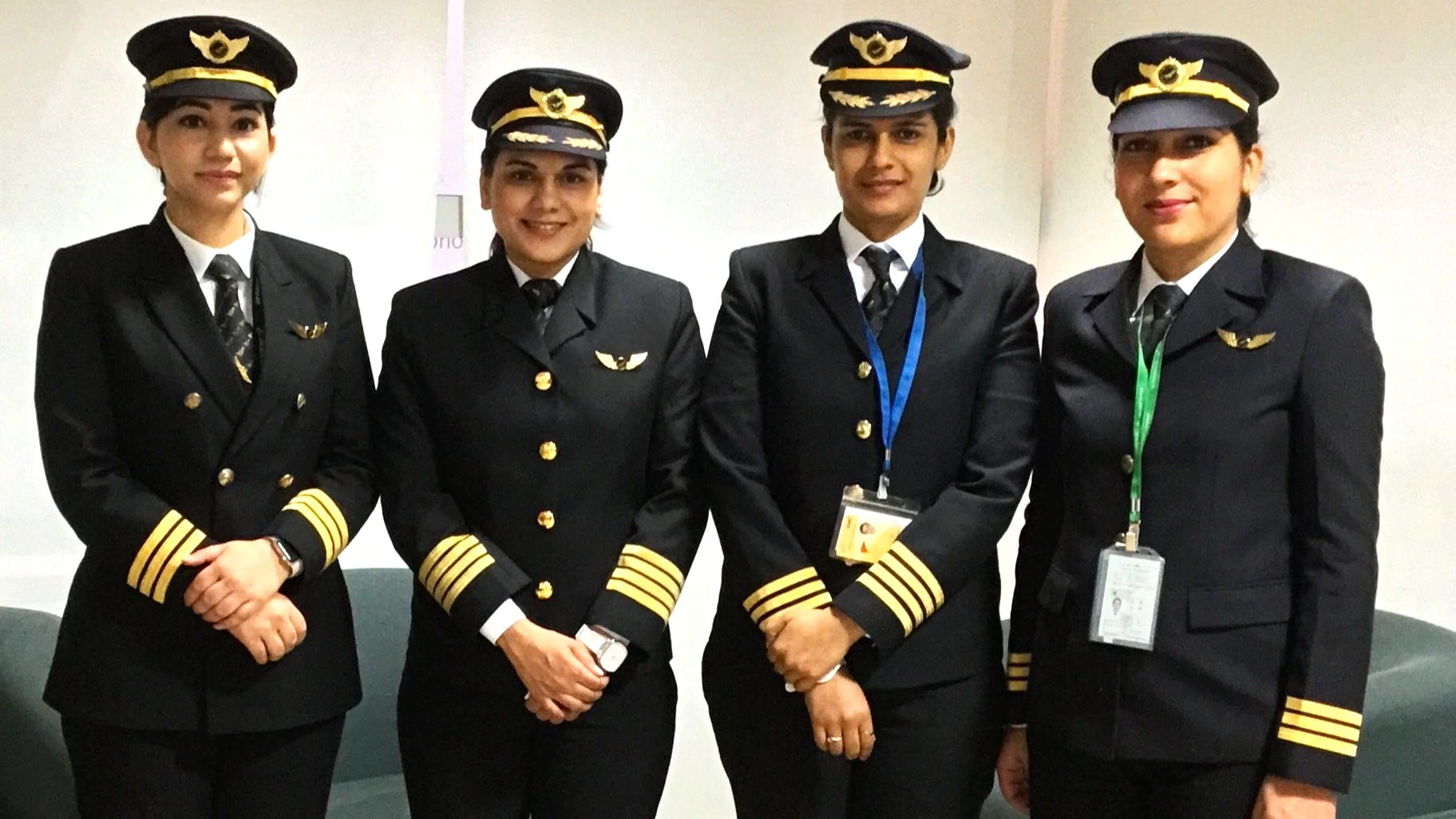
Eligibility and Election
Eligibility for this program is restricted to certain captain and training-captain positions on the specified fleets. Candidates are chosen through an Expression of Interest process that considers seniority and operational needs. Pilots may opt out of the flexi scheme with a three-month notice.
If a pilot is scheduled for an upgrade in fleet or command, the flexi contract will conclude when they enter training. Should they decline the upgrade, the existing career policy regarding freezes will stay in effect.
The airline maintains the authority to revert pilots to their previous contract without modifying their pay terms pre-switch.
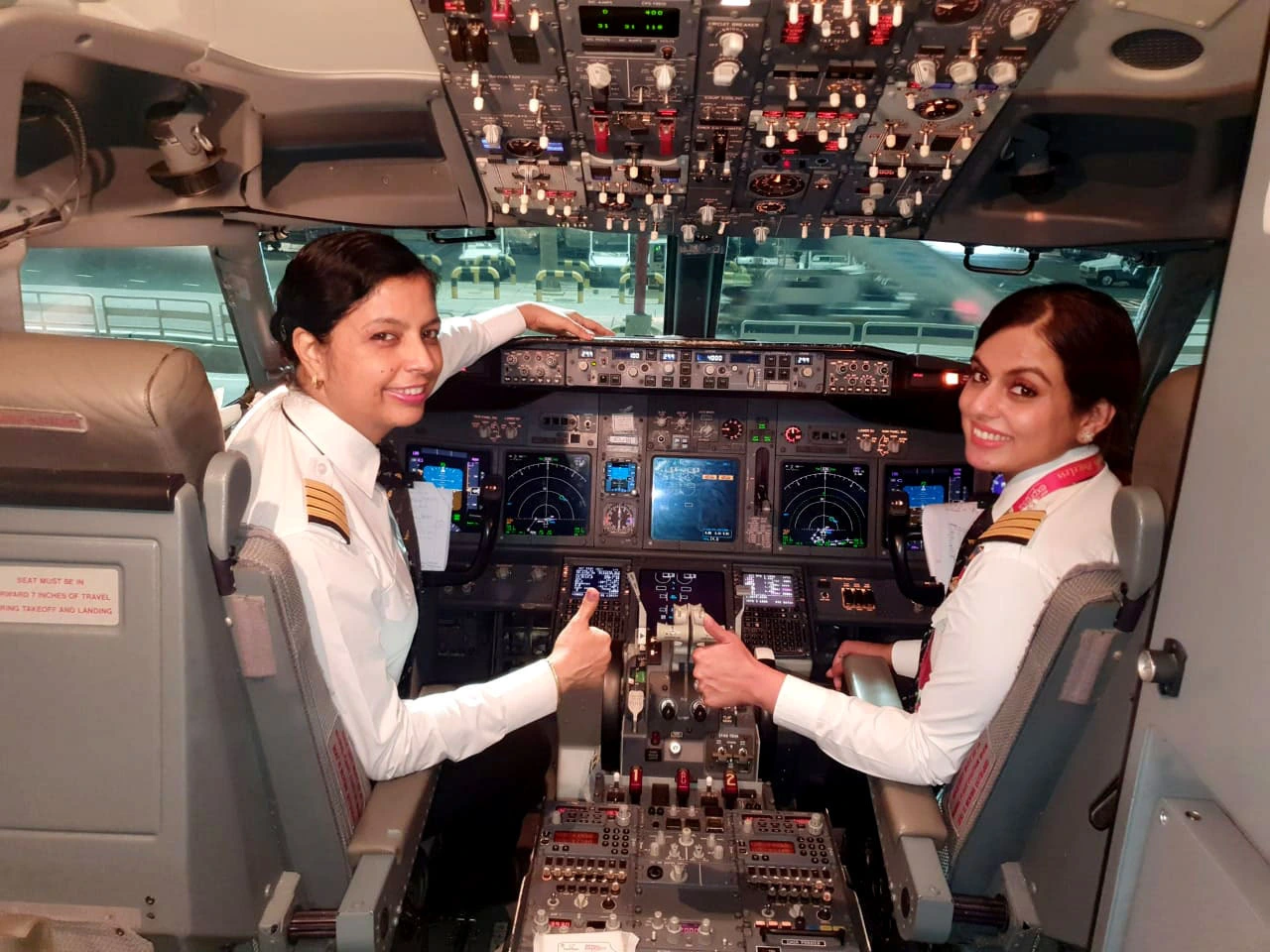
Pay and Allowance Mechanics
The flexi model stipulates that wide-body pilots must be available a minimum of 12 days per month, while narrow-body pilots are required to be available for at least 15 days to qualify for 40 hours of pay. Any hours worked beyond 40 are compensated at the same rate as in the original contract.
Allowances for trainers, wide-body operations, deadheading, and layovers remain unaffected. Adjustments for car leases and National Pension System (NPS) EMIs will be made against the flexible salary components.
During their off-days, pilots are expected to dedicate time solely to the airline, prohibiting outside work during these periods.
Leave-bidding operates on an ad-hoc basis within this flexi model, rendering prior bids void. Total bid points are 20 for wide-body pilots and 30 for narrow-body pilots.
Medical insurance, loss-of-license cover, seniority protection, and merit/demerit systems remain unchanged. Upon returning to the original contract, pilots will enter the next regular leave-bidding cycle.
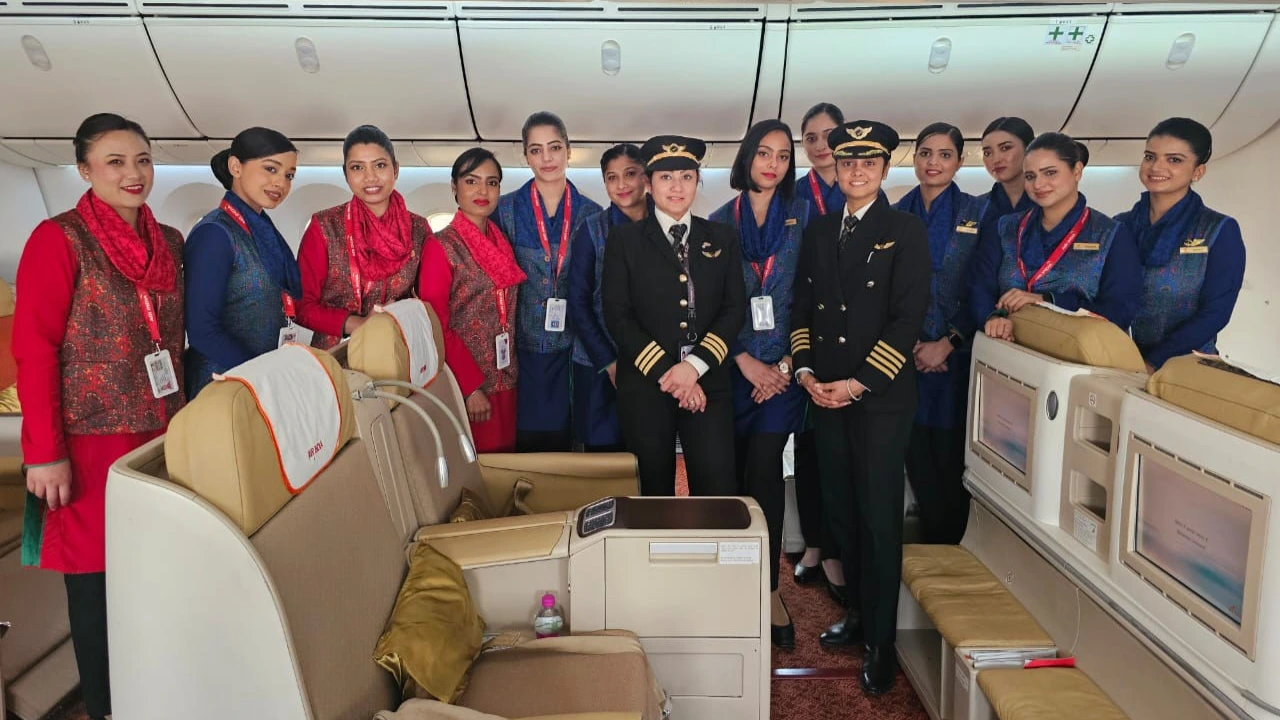
Conclusion
Air India’s flexi-contract initiative marks a significant step toward a more structured approach to pilot scheduling. By offering manageable duty cycles of 15-15 and 20-10, the airline strives to enhance work-life balance and retain talent in a rapidly growing environment.
While this model aims to meet operational demands and the needs of pilots, its effectiveness will depend on uptake, perceived fairness, and whether it adequately supports crew without introducing unforeseen challenges.
What are your thoughts on the impact of flexible contracts on pilot productivity?