Air Serbia’s Jiri Marek on Fleet Growth and Business Class

Air Serbia’s Rise as a Major Eastern European Airline in 2024
Air Serbia is rapidly positioning itself as a key player in the Eastern European aviation market. The Serbian flag carrier has experienced remarkable growth and profitability, marking its emergence as a significant force in commercial aviation. In a recent discussion with AeroTime, Air Serbia’s CEO Jiri Marek shared insights about the airline’s impressive trajectory and future plans during the CAPA Airline Leader Summit held in Belgrade on November 21-22, 2024.
Record Profits and Strong Demand
Air Serbia is on track to conclude another profitable year. In 2023, the airline reported a profit of €40.5 million (approximately US$42.5 million). As 2024 progresses, CEO Jiri Marek confirmed that strong demand in the second and third quarters has offset the weaker performance seen in the first quarter. He attributed the initial downturn to a return to seasonal travel patterns following the post-pandemic boom.
- Key Highlights:
- 2023 profit: €40.5 million
- Second and third-quarter demand exceeded expectations
Expanding Long-Haul Capacity
To cater to increasing demand, Air Serbia is enhancing its long-haul fleet with the addition of a fourth Airbus A330. This aircraft, currently undergoing maintenance in Germany, is expected to be delivered before the end of 2024. Marek explained that the existing A330s adequately support routes to New York (JFK), Chicago O’Hare (ORD), and Guangzhou (CAN), with Shanghai-Pudong (PVG) set to join the network in early 2025.
- Fleet Expansion:
- Fourth A330 will serve as a spare and for ad-hoc charters
- Maintains capacity for long-haul operations
Short-Haul Growth Strategy
In addition to long-haul expansion, Air Serbia is increasing its short-haul capacity. The airline received its 10th ATR turboprop in June 2024 and plans to add an Embraer E195 in the first half of 2025. Marek highlighted the importance of evaluating market opportunities before acquiring additional aircraft.
- Current Developments:
- Recent additions: ATR turboprop fleet
- Future plans: Potential acquisition of A320s or Embraers
Enhancing Passenger Experience
Air Serbia is committed to upgrading its passenger experience. Marek noted that the airline’s business class primarily attracts high-end leisure travelers, driven by diaspora traffic to the US and demand from China. However, he acknowledged that the existing cabin configuration in its A330s is outdated, and plans are underway to enhance inflight services.
- Passenger Experience Initiatives:
- Upgrading inflight food options
- Collaborating with Menzies for improved ground handling
- Investing in a new lounge at Belgrade Nikola Tesla Airport (BEG)
Future of Inflight Entertainment
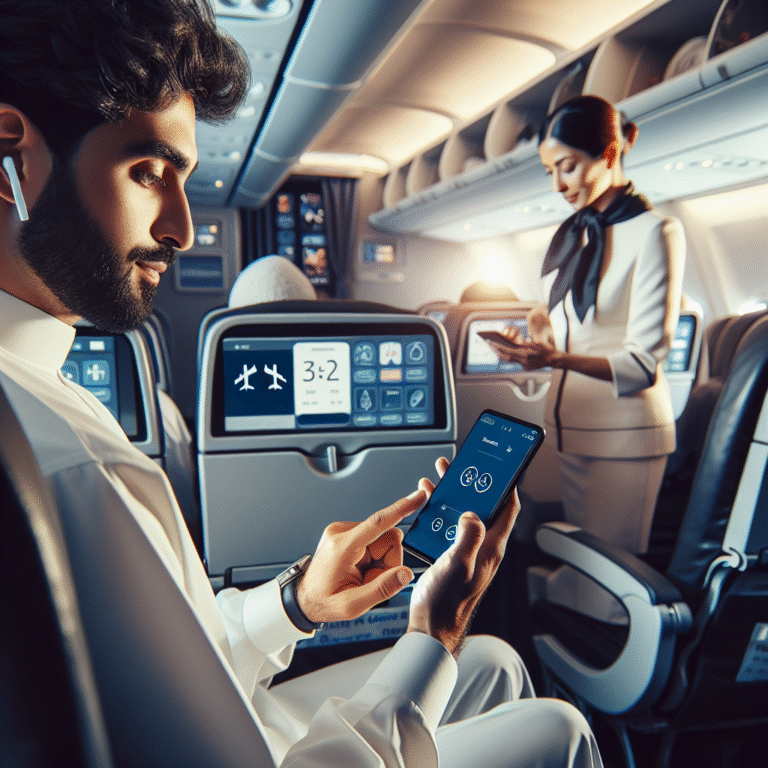
Air Serbia is also exploring options to modernize its inflight entertainment systems. A pilot test with Bluebox, a wireless inflight entertainment provider, has shown promising results, particularly on shorter flights with ATR aircraft. Meanwhile, the airline’s long-haul fleet may see a shift to wireless systems as a backup.
- Key Focus Areas:
- Potential implementation of wireless inflight entertainment (W-IFE)
- Evaluation of traditional seatback systems for long-haul flights
Conclusion: A Bright Future Ahead
As Air Serbia continues to expand its fleet and enhance customer experience, the airline is well-positioned for future success in the competitive aviation landscape. With a focus on profitability and service improvement, Air Serbia is not just growing; it is redefining air travel in Eastern Europe.
What are your thoughts on Air Serbia’s growth and future strategies? Share your insights below or check out our related articles for more aviation industry updates.
For more information, visit Air Serbia’s official website or read more about aviation trends at AeroTime.