Captain of IC 814 Hijack Retires After 40 Years

Captain Devi Sharan Retires: A Legacy of Bravery in Indian Aviation
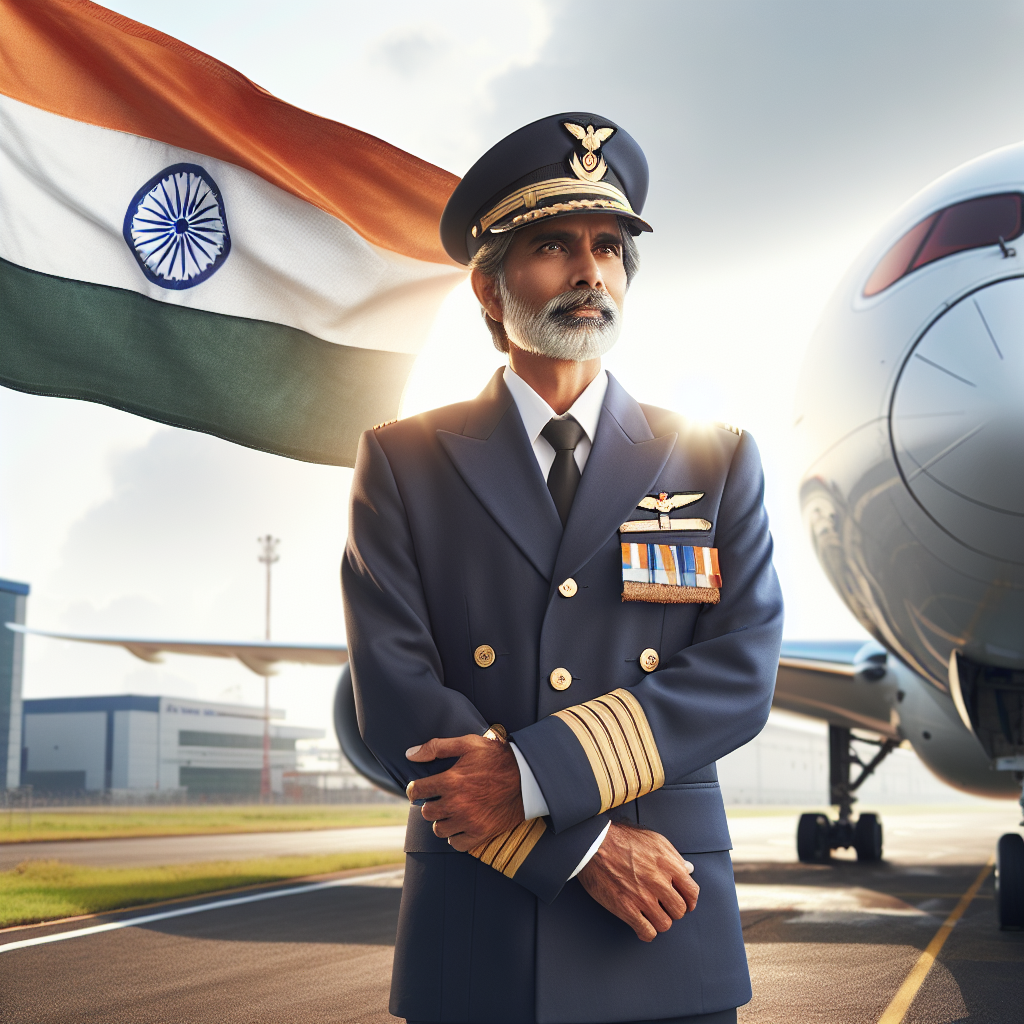
NEW DELHI – Captain Devi Sharan, known for his heroic role during the infamous Indian Airlines IC 814 hijacking in December 1999, officially retires on January 4 after an impressive 40-year career in aviation. His journey is not just a personal success story; it represents a chapter in Indian aviation history defined by bravery, resilience, and dedication.
As Captain Sharan prepares to embark on new adventures post-retirement, his legacy within the aviation industry remains significant. He has navigated through life-threatening situations and commanded some of the most advanced aircraft, including the Boeing 787 Dreamliner. The captain’s experiences highlight the critical importance of preparedness and courage in the face of danger.
Captain Devi Sharan: A Storied Career in Aviation
Captain Sharan joined Indian Airlines in 1985 after completing his training in Karnal. His career trajectory saw him transition from the Boeing 737-200 to the Airbus A320, and ultimately to the Boeing 787 Dreamliner. However, it is his courageous leadership during the IC 814 hijacking that remains etched in public memory.
In December 1999, Indian Airlines Flight IC 814 was hijacked while flying from Kathmandu to Delhi, leading to a harrowing week-long ordeal. Throughout the crisis, Captain Sharan remained focused on ensuring the safety of all passengers and crew onboard. Reflecting on this turbulent experience, he learned valuable lessons about life’s unpredictability and the importance of staying prepared for any eventuality.
Sharan’s resilience was tested again in 2011 during the Libyan civil war when he and his crew were briefly detained by armed militants. Their eventual escape underscored the captain’s ability to remain calm under pressure.
After the merger of Indian Airlines with Air India in 2007, Captain Sharan continued to fly, embracing advanced aircraft like the Airbus A330 and Boeing 787. His final flight on January 4 from Melbourne to Delhi was a poignant farewell, celebrated by his colleagues. In his farewell message, Sharan expressed gratitude for his career, stating, “With the same enthusiasm of a young boy who once joined this airline, I now turn the page and embark on the golden years of my life.”
Captain Sharan’s Future Plans
As he steps into retirement, Captain Sharan has exciting plans ahead. He aims to explore farming in his hometown of Karnal and contribute to Air India’s training facility, sharing his extensive knowledge with future aviators. Before diving into these ventures, he is set to embark on a year-long world tour, visiting remarkable destinations such as Antarctica and Siberia.
The IC 814 Hijacking: A Turning Point in Indian Aviation
The IC 814 hijacking remains one of the most significant terrorism incidents in India’s aviation history. On December 24, 1999, five armed terrorists took control of Indian Airlines Flight IC-814, which had 179 passengers and 11 crew members. The incident highlighted severe gaps in India’s aviation security and challenged the government’s crisis management capabilities.
Flight engineer Anil K. Jaggia and journalist Saurabh Shukla detail the hijacking in their book “IC 814 Hijacked: The Inside Story.” The ordeal began when an armed terrorist stormed the cockpit, declaring control of the aircraft.
Critical Moments During the Crisis
The hijacking escalated when the terrorists demanded a flight path to Lahore, Pakistan, only to divert to Amritsar after being denied permission. During an emergency landing, the aircraft was denied refueling, leading to further complications. Eventually, the flight was permitted to land in Lahore, and after refueling, it attempted to reach Kabul but diverted to Dubai.
By December 25, negotiations in Dubai led to the release of 27 hostages. The crisis culminated in Kandahar, where weeks of negotiations resulted in the controversial decision by the Indian government to release three prominent terrorists in exchange for the hostages’ safety.
Conclusion: A Legacy of Leadership and Courage
Captain Devi Sharan’s retirement marks the end of an era defined by exceptional leadership in the face of adversity. His experiences during the IC 814 hijacking and beyond have left a lasting impact on Indian aviation. As he transitions into a new phase of his life, his story serves as an inspiration for future generations of pilots and aviation professionals.
For more insights into aviation history and the impact of significant events like the IC 814 hijacking, feel free to explore our related articles. We invite you to share your thoughts on Captain Sharan’s legacy in the comments below!