Beat Jet Lag: Top Tips for a Smoother Transition

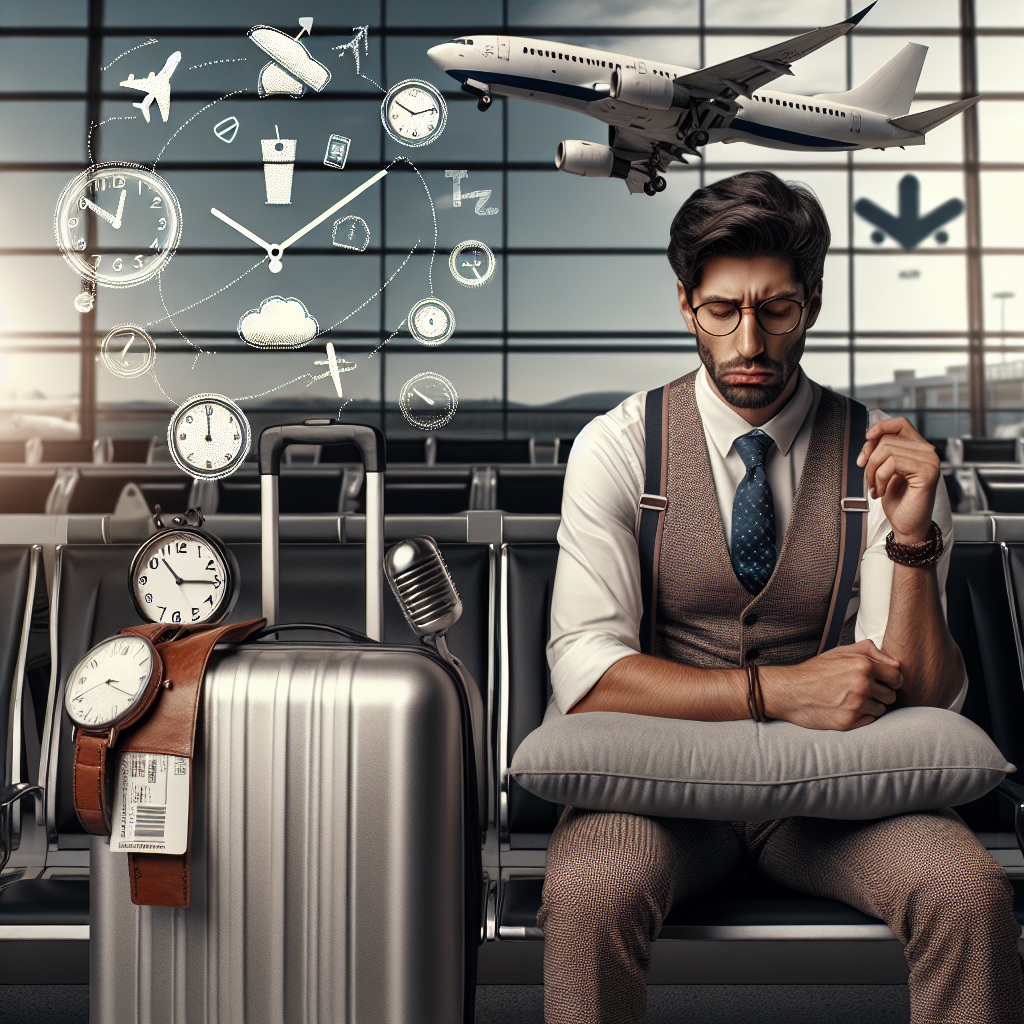
Jet lag can be a formidable foe for travelers, turning the excitement of a new arrival into a foggy struggle for energy and alertness. With long flights and time zone changes, many find themselves battling fatigue, difficulty concentrating, and disrupted sleep patterns. However, there are effective strategies to beat jet lag and ensure a smoother transition, allowing you to fully enjoy your travels from the moment you land.
The key to overcoming jet lag lies in preparation and awareness. By understanding your body’s circadian rhythms and making adjustments before, during, and after your flight, you can significantly lessen the impact of time zone changes. This article will explore top tips for beating jet lag, helping you arrive at your destination feeling refreshed and ready to explore.
Understanding Jet Lag
Jet lag occurs when your internal clock is out of sync with the local time at your destination. This misalignment can cause a range of symptoms including:
- Fatigue
- Insomnia or disrupted sleep
- Difficulty concentrating
- Mood changes
Primary Causes of Jet Lag
- Time Zone Changes: Traveling across multiple time zones can confuse your body’s natural sleep-wake cycle.
- Flight Duration: Longer flights can exacerbate feelings of fatigue.
- Sleep Quality: Poor sleep during travels contributes to overall tiredness.
Top Tips for Beating Jet Lag
1. Adjust Your Schedule Before Departure
- Gradual Adjustment: A few days before your flight, try going to bed and waking up an hour earlier or later, depending on your destination.
- Meal Timing: Shift your meal times to align with the new time zone, helping your body adjust more smoothly.
2. Stay Hydrated
- Drink Plenty of Water: Dehydration can worsen the symptoms of jet lag. Drink water before, during, and after your flight.
- Limit Alcohol and Caffeine: Both can disrupt your sleep and lead to dehydration.
3. Use Light to Your Advantage
- Natural Light Exposure: After arriving, spend time outdoors to help your body adjust to the local time. Natural light is a powerful cue for resetting your internal clock.
- Avoid Bright Screens: Limit exposure to screens close to bedtime to help your body produce melatonin, the hormone responsible for sleep.
4. Sleep Strategically
- Nap Wisely: If you need to nap after arriving, keep it short (20-30 minutes) to avoid interfering with nighttime sleep.
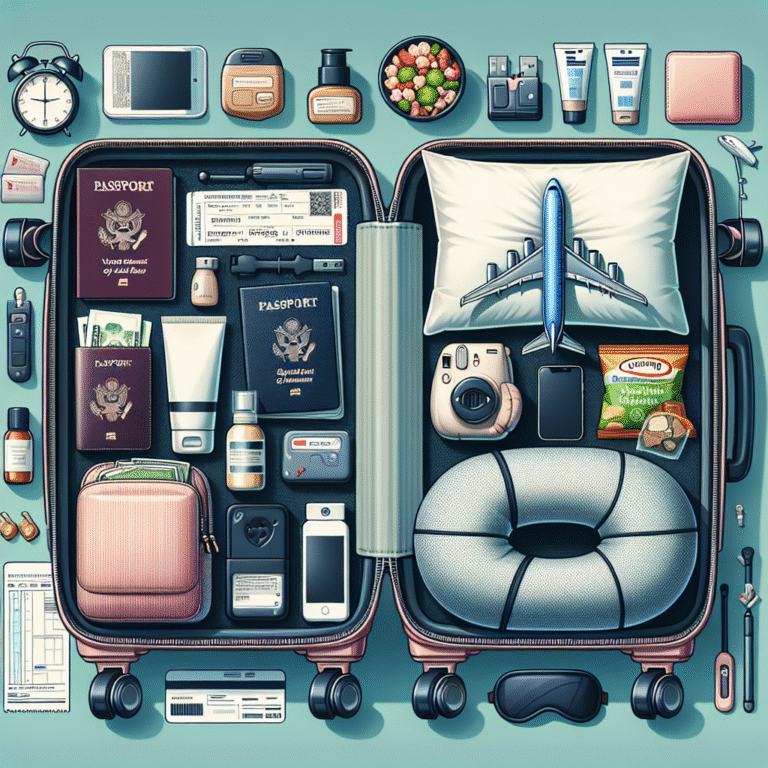
- Create a Sleep-Conducive Environment: Use earplugs, an eye mask, and comfortable bedding to enhance your sleep quality.
5. Consider Sleep Aids
- Melatonin Supplements: Taking melatonin can help signal to your body that it’s time to sleep, especially if you’re adjusting to a significant time difference. Always consult with a healthcare professional before using supplements.
Conclusion
Traveling can be one of life’s greatest joys, but the discomfort of jet lag doesn’t have to dampen your experience. By implementing these top tips for beating jet lag, you can enhance your travel experience and arrive ready to embrace your destination. Remember, everyone’s body reacts differently, so it’s important to find what works best for you.
FAQs
Q: How long does jet lag usually last?
A: Jet lag can last several days, but symptoms typically improve within one day for each time zone crossed.
Q: Are there specific foods that can help with jet lag?
A: Foods rich in carbohydrates may promote sleep, while protein-rich foods can help you stay awake during the day.
Q: Can exercise help with jet lag?
A: Yes, light exercise can boost your energy levels and improve your mood, making it easier to adjust to a new time zone.
If you’ve found these tips helpful, feel free to share your own experiences or read related articles on travel wellness. Safe travels! For more information on managing your travel experience, check out Traveler’s Guide to Healthy Travel for additional insights.