Delta Air Lines Sued After A350 Toilet Door Injures Passenger

Delta Air Lines Lawsuit Sparks Safety Concerns About Airplane Lavatory Doors
A recent lawsuit against Delta Air Lines (DL) has raised alarming safety concerns regarding airplane lavatory doors, transforming a topic often joked about by flight attendants into a serious legal matter. Yanping Wei, a passenger from Shanghai, China, filed a federal lawsuit after sustaining severe facial injuries from a lavatory door impact during a flight from Shanghai (PVG) to Detroit (DTW) on December 22, 2023.
This incident highlights the potential dangers associated with traditional airplane lavatory doors, especially those that open outward.
Delta Air Lines Sued by Passenger Over Lavatory Incident
The lawsuit, reported by PYOK, stems from an incident where Wei approached the lavatory during the long flight. Allegedly, the door swung open unexpectedly, resulting in dental damage, facial lacerations, and bruising.
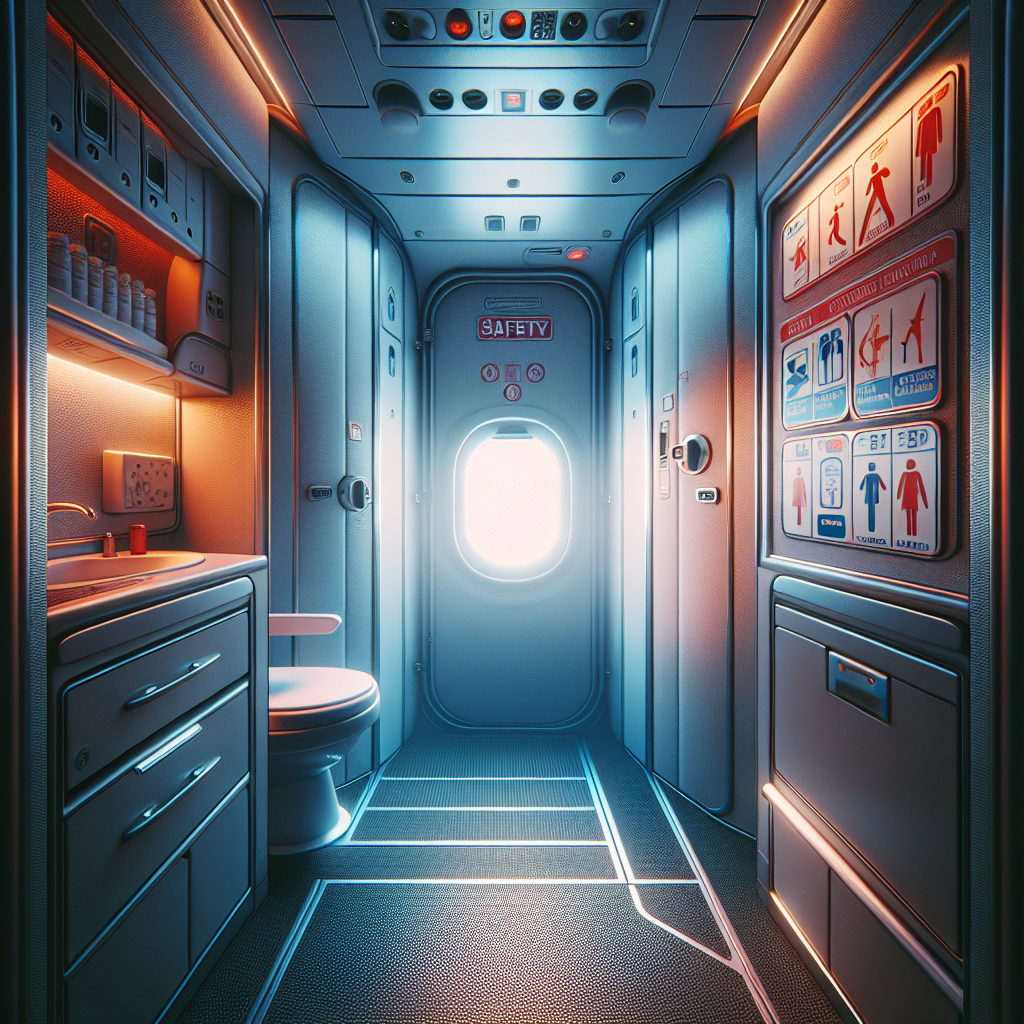
While modern commercial aircraft typically utilize bi-fold or concertina doors that open inward, airlines must retain at least one conventional outward-opening lavatory door to comply with accessibility regulations. On the Airbus A350-900, which Delta operates on this route, such a door is located in the Economy section.
These outward-opening doors can present safety risks, although incidents like Wei’s are rare. The primary causes for such occurrences often include previous passengers failing to secure the door properly or passengers exiting the lavatory with excessive force.
Legal Framework: Lawsuit Under the Montreal Convention
The legal basis for Wei’s lawsuit against Delta Air Lines is grounded in Article 17 of the Montreal Convention, which governs airline liability for passenger injuries during international flights. This international law permits injured passengers to seek compensation up to 128,821 Special Drawing Rights (approximately $172,000) from airlines.
Airlines have limited defenses under the Montreal Convention, primarily focusing on proving that the passenger’s negligence contributed to the injuries. As of now, Delta Air Lines has not publicly responded to the lawsuit. However, if an investigation reveals that another passenger forcefully opened the door from the inside, Delta could potentially seek recovery from that individual for the associated costs of Wei’s case.
Precedent: A Similar Incident in Aviation
Legal precedence exists for airlines pursuing passengers for injury incidents. A notable case involved Aer Lingus (EI), which sued a passenger after their luggage forcefully struck another passenger, leading to a head injury. The victim had initially filed a lawsuit against Aer Lingus under the Montreal Convention, but the airline countered by seeking damages from the responsible passenger. This situation was ultimately resolved with an out-of-court settlement.
Safety Features of Lavatory Doors
Aircraft manufacturers have implemented specific safety features in conventional lavatory doors. These designs utilize forward-hinging mechanisms that account for the aircraft’s natural flight position. For instance, during cruising altitude, the Airbus A350 is in a nose-up attitude, which helps create resistance against door movement, significantly reducing the likelihood of doors swinging open unexpectedly.
Conclusion
The ongoing lawsuit against Delta Air Lines serves as a critical reminder of the safety implications tied to airplane lavatory doors. As passengers, it’s essential to be aware of our surroundings and ensure doors are properly secured. For more insights into aviation safety and passenger rights, feel free to share your thoughts or explore related articles on our website.
References: