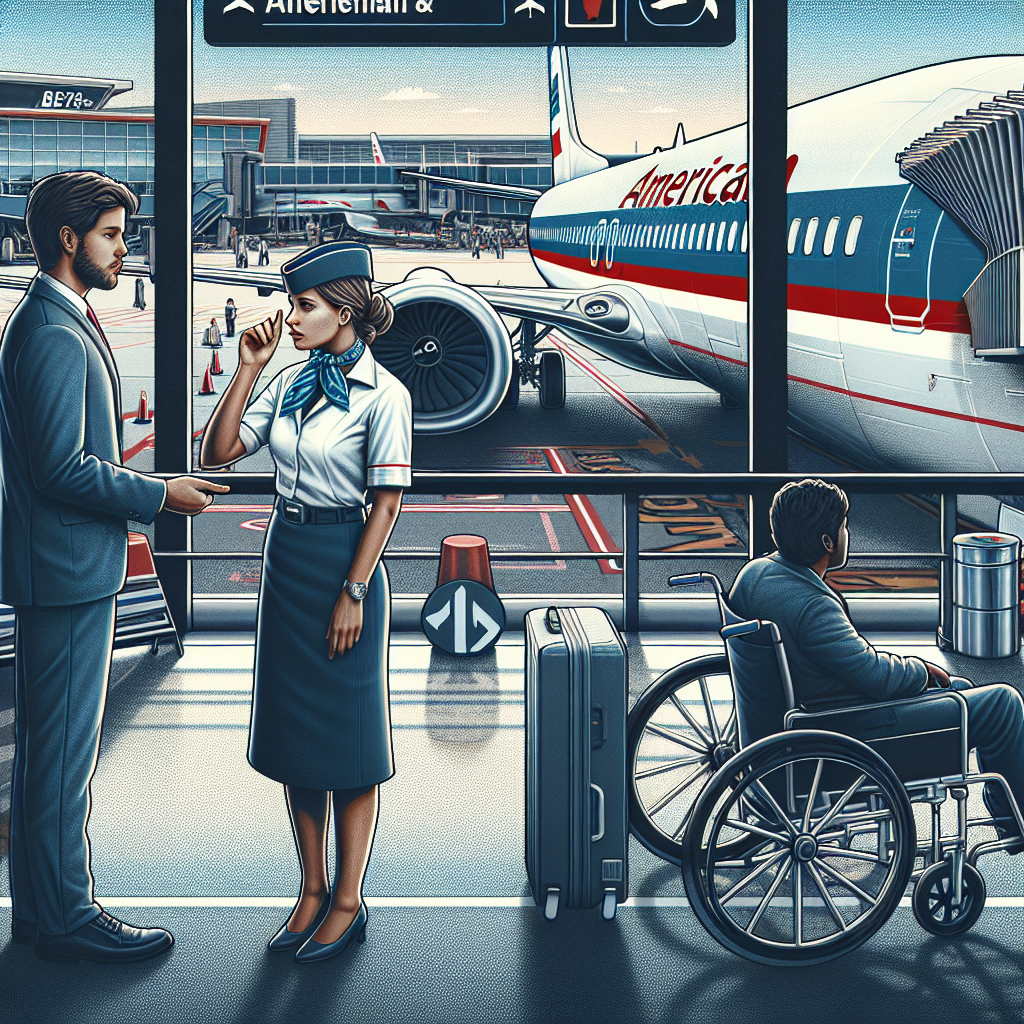
American Airlines Dismisses Veteran Flight Attendant After 38 Years

Title: American Airlines Flight Attendant Termination Raises Concerns Over Passenger Misconduct and Employee Safety
Introduction:
In a significant incident at Phoenix Sky Harbor International Airport (PHX), American Airlines has fired a long-serving flight attendant, Todd Norris, following an altercation with a passenger. This incident, which occurred on October 24, 2024, raises critical questions about how airlines handle passenger misconduct and protect their employees. As passenger behavior continues to be a pressing issue in the aviation industry, this case highlights the challenges flight attendants face while upholding safety protocols.
American Airlines Fires Flight Attendant Following Altercation
On the day of the incident, Norris was serving as an FA2 aboard a Boeing 737, overseeing the deplaning process when a male passenger attempted to reboard the aircraft. According to Federal Aviation Administration (FAA) regulations, reboarding is prohibited once deplaning has commenced. Norris properly followed protocol by blocking the passenger’s re-entry and explaining the airline’s regulations.
Despite Norris’s efforts, the passenger became increasingly agitated, anticipating the arrival of a wheelchair on the jet bridge. While a fellow crew member attempted to expedite the request, delays led to further frustration. When a new crew arrived, Norris attempted to facilitate a crew change, which is also governed by FAA rules mandating a full crew on board if any passenger is present.
During this transition, the situation escalated when the passenger allegedly grabbed Norris’s luggage, resulting in a physical altercation that both parties documented in a police report. Surveillance footage of the incident exists but has not been made available to Norris’s union by American Airlines.
Investigation and Disciplinary Action
Following the altercation, American Airlines conducted an internal investigation that led to Norris’s termination in January 2025. The airline cited four main reasons for the dismissal:
-
Initiating the Incident: American Airlines claimed that Norris provoked the confrontation by enforcing boarding restrictions without sufficient empathy.
-
Escalation of Conflict: The airline accused Norris of worsening tensions by not allowing reentry, despite acknowledging the delays with wheelchair assistance.
-
Failure to Seek Support: Investigators stated Norris did not request help from nearby airport staff or colleagues, a claim Norris disputes.
- Physical Engagement: The airline alleged that Norris initiated physical contact first, while Norris contended it was accidental due to the passenger’s forceful tug on his bag.
Management offered Norris a choice: admit fault and accept a two-year probationary period without union representation or face immediate termination. Norris opted to contest the allegations, resulting in his dismissal.
Ongoing Union Response
The Association of Flight Attendants (AFA-CWA), representing Norris, is currently challenging the termination through formal grievance procedures. A resolution is not anticipated until early 2026, leaving Norris’s future uncertain.
This case underscores broader concerns regarding how airlines manage passenger aggression and protect flight attendants. With flight crews frequently facing verbal and physical abuse, the need for adequate institutional support is more critical than ever. Norris’s clean disciplinary record bolsters his argument that the termination was unjust and could set a troubling precedent for how similar incidents are handled in the future.
Similar Incidents Raise Alarm
This is not the first time American Airlines has terminated a flight attendant following a passenger assault. In December 2023, Tillman Robinson, a 25-year veteran, was fired after an unruly passenger allegedly assaulted him. Despite following self-defense training protocols, Robinson lost his job, raising serious concerns about the protection flight attendants receive in such situations.
Both cases highlight a growing debate within the aviation community about the safety and support provided to flight crews when faced with aggressive passenger behavior. As aviation analyst Gary Leff noted, penalizing crew members for responding to assaults sends a dangerous message about whose safety is prioritized on board.
Conclusion and Call-to-Action
The termination of flight attendants like Todd Norris and Tillman Robinson raises pressing questions about the treatment and protection of airline employees amidst increasing passenger misconduct. As these issues unfold, they prompt a broader conversation about the accountability of airlines and the safety of their staff.
What are your thoughts on how airlines manage such incidents? Share your views in the comments or explore related articles to learn more about the challenges flight attendants face in the line of duty.
For further reading on airline safety protocols and employee rights, consider checking out resources from the FAA and the Association of Flight Attendants.