Air New Zealand Sees Profits Dip Amid Ongoing Engine Issues

Air New Zealand Reports Decrease in Underlying Profits Amid Engine Issues and Economic Challenges
Air New Zealand has reported a decline in its underlying profits for the first half of the 2025 fiscal year, primarily due to ongoing economic pressures and significant engine issues affecting a large portion of its mainline fleet. The Auckland-based airline’s earnings before tax dropped to NZ$155 million ($88 million) for the six months ending December 31, 2024, a decrease from NZ$185 million ($105 million) in the previous year. This decline reflects the airline’s struggle to recover from suppressed demand and operational challenges.
Despite the disappointing financial results, Air New Zealand’s leadership remains optimistic. Chair Dame Therese Walsh stated that the airline’s performance is commendable considering the myriad of headwinds faced over the past year. “Air New Zealand’s strong balance sheet, liquidity, and financial discipline provide us with the flexibility to successfully manage short-term challenges while continuing to invest in our future,” she remarked.
Financial Overview and Dividend Announcement
- Net Profit Declines: The airline’s net profit fell by 22%, from NZ$129 million ($73 million) to NZ$106 million ($60 million).
- Dividend Update: Air New Zealand will pay a reduced interim dividend of NZ1.25c per share, down from NZ2c per share in 2024.
- Share Buy-Back Scheme: The airline plans to initiate a share buy-back scheme worth up to NZ$100 million ($57 million), which reflects the board’s confidence in the airline’s long-term prospects.
Engine Troubles Impacting Operations
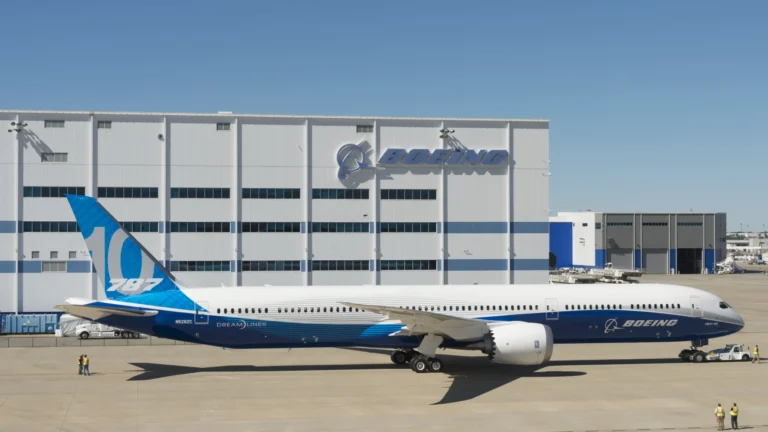
Chief Executive Greg Foran highlighted the significant operational challenges caused by engine maintenance issues. The airline has faced multiple aircraft groundings related to the Pratt & Whitney GTF engines on its Airbus A320neo fleet and the Rolls-Royce Trent engines on its Boeing 787-9s.
- Grounded Aircraft: As of November 2025, up to six A320neo family aircraft and four Boeing 787s were out of service due to these engine issues, representing nearly 20% of Air New Zealand’s total fleet of 59 mainline jets.
- Revenue Loss: The ongoing engine problems have resulted in approximately 5,000 seats per week being effectively grounded, leading to substantial revenue losses. Passenger revenues fell by 5%, totaling NZ$2.9 billion ($1.65 billion).
Foran noted that while the airline received NZ$94 million ($53 million) in compensation from engine manufacturers, it estimates that its earnings would have been about NZ$40 million ($22.8 million) higher had it been able to operate its entire fleet as planned.
Looking Ahead: Challenges for 2025
As Air New Zealand moves forward, the airline anticipates that 2025 will continue to be financially challenging due to ongoing engine problems. With the potential for up to 11 jets being out of service at any time, the company expects its performance in the second half of the year to be significantly lower than in the first half.
Foran concluded, “We strive to deliver a reliable experience for our customers. However, with 4% less capacity available due to engine maintenance delays, this has been a real challenge for the airline.”
Conclusion
Air New Zealand’s current financial outlook underscores the impact of engine issues and economic factors on the airline’s operations. As the airline navigates these challenges, its commitment to investing in future growth remains strong. For the latest updates on Air New Zealand and the aviation industry, stay tuned to our news section.
What are your thoughts on Air New Zealand’s financial situation? Share your comments below or explore related articles for more insights.